Brand loyalty is a big thing for American car buyers. For some, the car brand they support is more important than whether they vote red or blue, and family feuds have been fought over the rebel in the family coming home with a Chevrolet Silverado instead of a Ford F-150. But brand loyalty is stupid, and it’s probably getting in the way of you getting the best car you can for your hard-earned cash.
If I’ve upset you with anything I’ve just said, good. Read on.
The Psychology Of Brand Loyalty
There are a number of reasons we tend to be brand loyal. On the one hand, we feel like buying from the same brand over and over provides familiarity; a safety net that it’ll be easy to learn the controls and adapt to the infotainment and everything else. On the other, humans are creatures of habit and we take solace in things not changing. Change is hard. Change is entering the unknown.
Related
Lockdown Made Us More Loyal To Car Brands
For many automakers, it’s a surprising silver lining in what has been a tough year.
Having a foundational belief that one brand is the best is psychologically akin to being raised according to a certain belief system. It becomes a foundational element of your identity. So when that one core belief is challenged, it’s natural for the human brain to question whether other core beliefs you hold remain true or not. It’s this psychology that makes it impossible to discuss opposing points on the internet without it devolving into a complete dumpster fire. But wouldn’t you rather challenge a core belief and come out better for it than have your head stuck in the sand never moving forward or evolving?

Add CarBuzz to your Google News feed.
As far as choosing the brand we love goes, there are a variety of reasons:
- You grew up in a [insert brand here] family
- Your first car was a [insert brand here]
- You had a particularly good ownership experience with [insert brand here]
- You felt the brand’s identity matched your own automotive beliefs
- [Insert brand here] had the best reputation for reliability
These are just some reasons, but there are plenty more. There’s just one problem; while they may be relevant at the time of the original purchase, holding onto any one of those beliefs without checking them periodically is entirely misguided.
An Automaker’s Identity Isn’t Permanent
Cars tend to be emotional decisions and rightly so; they’re often the second-biggest physical purchase we make in our lifetime, second only to buying a house. Cars are an extension of ourselves. Like the clothes we wear or the hairstyle we choose, they’re a visual representation of our personalities. Cars are an avatar of our existence while we’re out in the world.
But just like humans change over time, so do automotive brands. While we may feel that the ideals of a particular automaker align with ours at the time of purchase, two or three years down the line, that’s likely to change. Why? Because automakers run businesses.
Automakers are not in the business of making cars; automakers are in the business of making money, and they use cars as the means to do so.

A car is a product, which means it will always be subjected to the same influences as any other product we buy, balancing cost versus return on investment in a bid to maximize profits to appease shareholders and board members at the end of every quarter. To the automaker you love with your whole heart, you are quite literally a number on a spreadsheet, a fraction of a percentage point they can leverage to earn a nice year-end bonus.
Toyota vs. BMW: A Case Study Of Brand Evolution
Manufacturers will periodically reinvent themselves and recreate their brand identities to best appeal to the demands of a particular market. Take Toyota for example. Twelve years ago, Toyota’s entire product lineup was characterized as affordable and reliable but utterly stale and boring. Buying a Toyota told the world you had no fashion sense, no joie de vivre, no desire for a car to be anything more than an appliance that would get you from A to B while costing as little as possible to keep going.
At the same time, BMW was considered the driver’s car of choice. “Sheer Driving Pleasure” was more than just a marketing slogan, it was a trait imbued into the metal, glass, and rubber that made up every BMW. From a base E90-generation 3 Series to the M5 of the era, even the 7 Series, driving a BMW was an occasion that made you feel like a hero. That made you feel like the engineers who developed those cars cared about your pleasure when driving.
But twenty years down the line, BMW is not the epitome of a driver’s car. I’d even argue BMW doesn’t really care about enthusiasts anymore. Outside of the M models, and even within them if you look at the XM, BMW’s lineup focuses on luxury and technology über alles. They’re all remarkably capable of devouring miles at pace, even when the road gets twisty, but they divorce the driver from the experience, falling victim to the ‘Playstation’ philosophy that plagued the R35 Nissan GT-R when it first came out.
If you want a driver’s sedan in the same segment as a BMW 3 Series, get an Alfa Romeo Giulia. Get an Acura TLX. Those are cars that will talk to you and dance with you.

Related
The Automotive World Needs More CEOs Like Akio Toyoda Of Toyota
We believe that Toyoda is a visionary who fully understands the ins and outs of mobility, despite what some think.
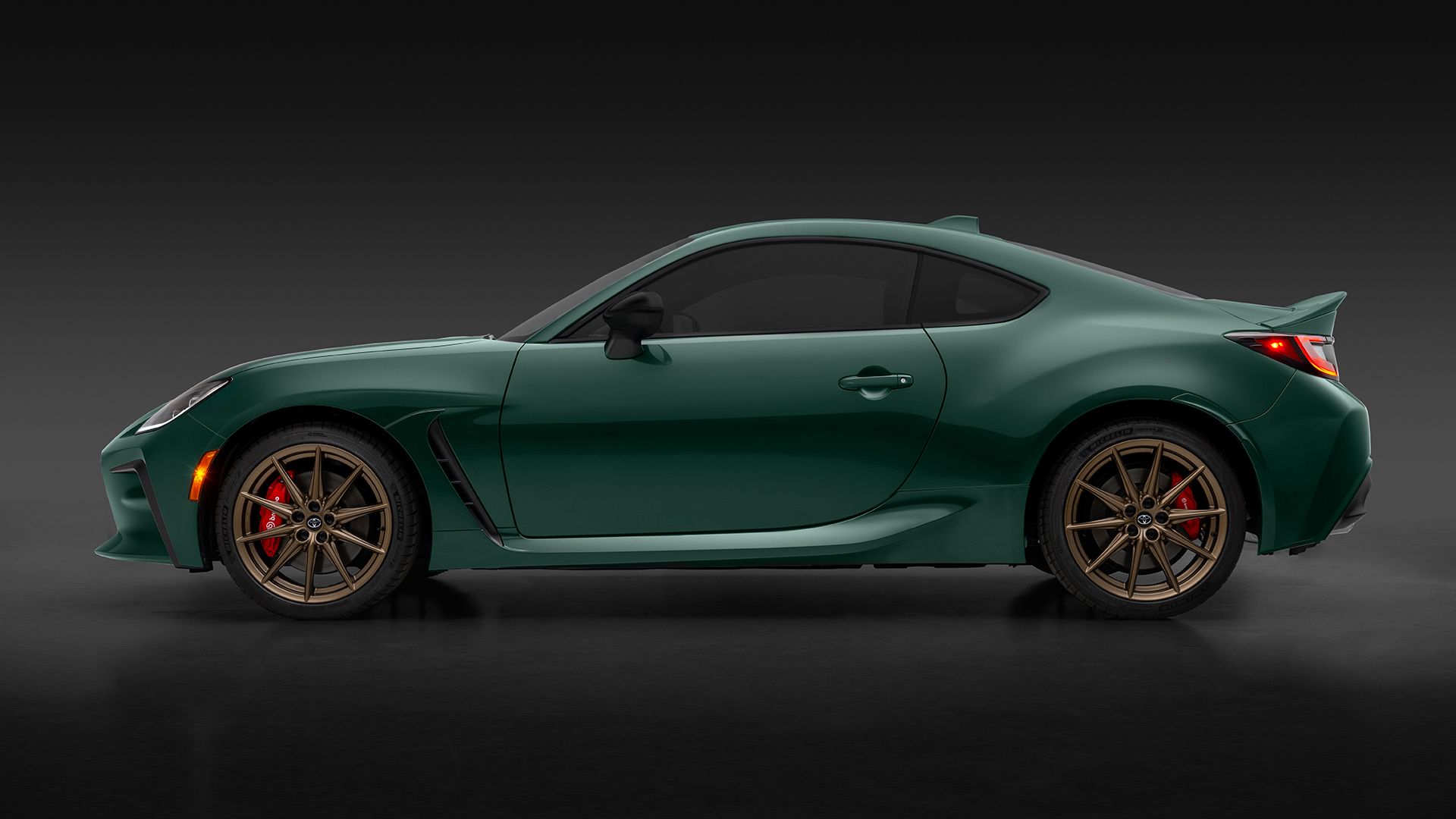
And then you’ve got modern Toyota, which, at the behest of Akio Toyoda, ditched its entire boring image and became one of the most exciting automakers around. The bread-and-butter models are still appliances, but they’re no longer soul-sucking appliances that leave you feeling numb. Even a RAV4 or Camry or Corolla has attributes to make you smile. That’s not even considering the Gazoo Racing performance sub-brand responsible for the GR86, GR Corolla, and GR Supra.
These are just two brands that have changed extensively, but others have changed too and in a shorter period.
Brands That Have Changed Extensively In The Last 10 Years
- Hyundai went from boring to exciting
- Mercedes-AMG went from ballistic to mild
- Cadillac became stylish and exciting
- Nissan lost its edge completely
- Subaru lost its spark and became ordinary
Volkswagen is another prime example. When the Mk6 Golf GTI was around, VW was renowned for incredible perceived quality. The interior felt on par with BMWs and Audis of the era. Yet in Mk8 form, the GTI feels cheaper than a two-generation-old model. And we’ve seen this happen across the entire VW lineup.
Brands change. Some evolve, others devolve, but they typically follow the market, not some high and mighty morals or code of honor.
Brand Loyalty Robs You Of The Best Possible Car You Can Buy
I’m not going to tell you that every time you buy a new car you need to wipe the slate clean in your brain and reevaluate every brand and every car as if you’d never experienced any of them. It’s the beauty of the human mind that we can establish patterns that allow us to skip from A to Z without stopping at every other letter along the way, which is why you don’t have to rediscover electricity to switch on a light bulb in your bedroom. It’s the same reason you recognize faces in nature and architecture – a primal instinct that allows you to make split-second judgments about fight or flight rather than going through a full analysis.
What I’m saying is that you need to be aware of the fluctuations going on in the auto industry. Don’t cast judgment based on what a brand stood for five years ago because it’s almost guaranteed to not be the same brand today it was back then. By having a mental block against any brand but the one you currently own, or the one your parents drove, you’re cutting down the pool of vehicles suited to your needs, and in the process, you may be getting rid of some quality options.
If you evaluate all the data and come to the conclusion that the brand you’ve owned for the last 10 years is still the right car for you, then by all means, stick with that brand. Just don’t do so in blind faith and allegiance to a badge that in reality means nothing. Brands can become more reliable, or less. They can become better driver’s cars or worse ones. But what they were five years ago does not determine what they are today, nor what they’ll be five years from now.