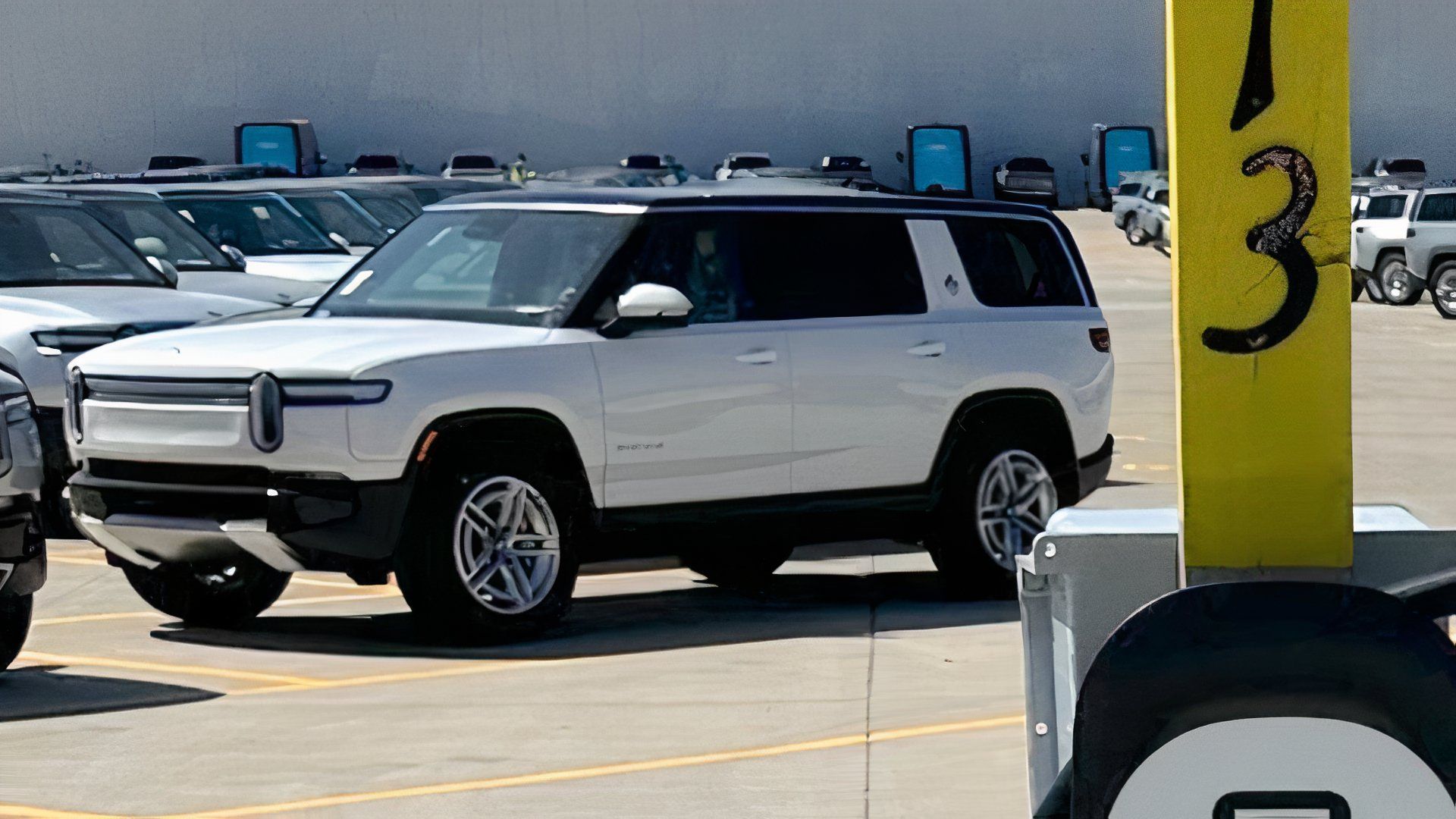
As day-to-day living costs rise and more people are conscious of their budgets, an increasing number of drivers are opting for used cars. The Ford F-150, for example, is currently the most popular used vehicle in the US. However, the process of buying a used car can be fraught with scams and dodgy deals: it’s no coincidence the expression “used car salesman” has become a tongue-in-cheek synonym for a shady character. Of course, this isn’t always the case, and many used car dealerships are trustworthy, with some excellent value-for-money cars on sale.
One of the most common types of fraud in the used car world is odometer fraud, or the act of making a car’s displayed mileage appear lower than it actually is. There are steps you can take to avoid getting burned, but you have to know the signs and how to look for them before you set out on your purchase journey.
We are in no way claiming that used car dealerships engage in the practice of turning back the mileage on your odometer. This is merely a guide to avoid getting scammed by the shady characters who do.
What Is Odometer Fraud?
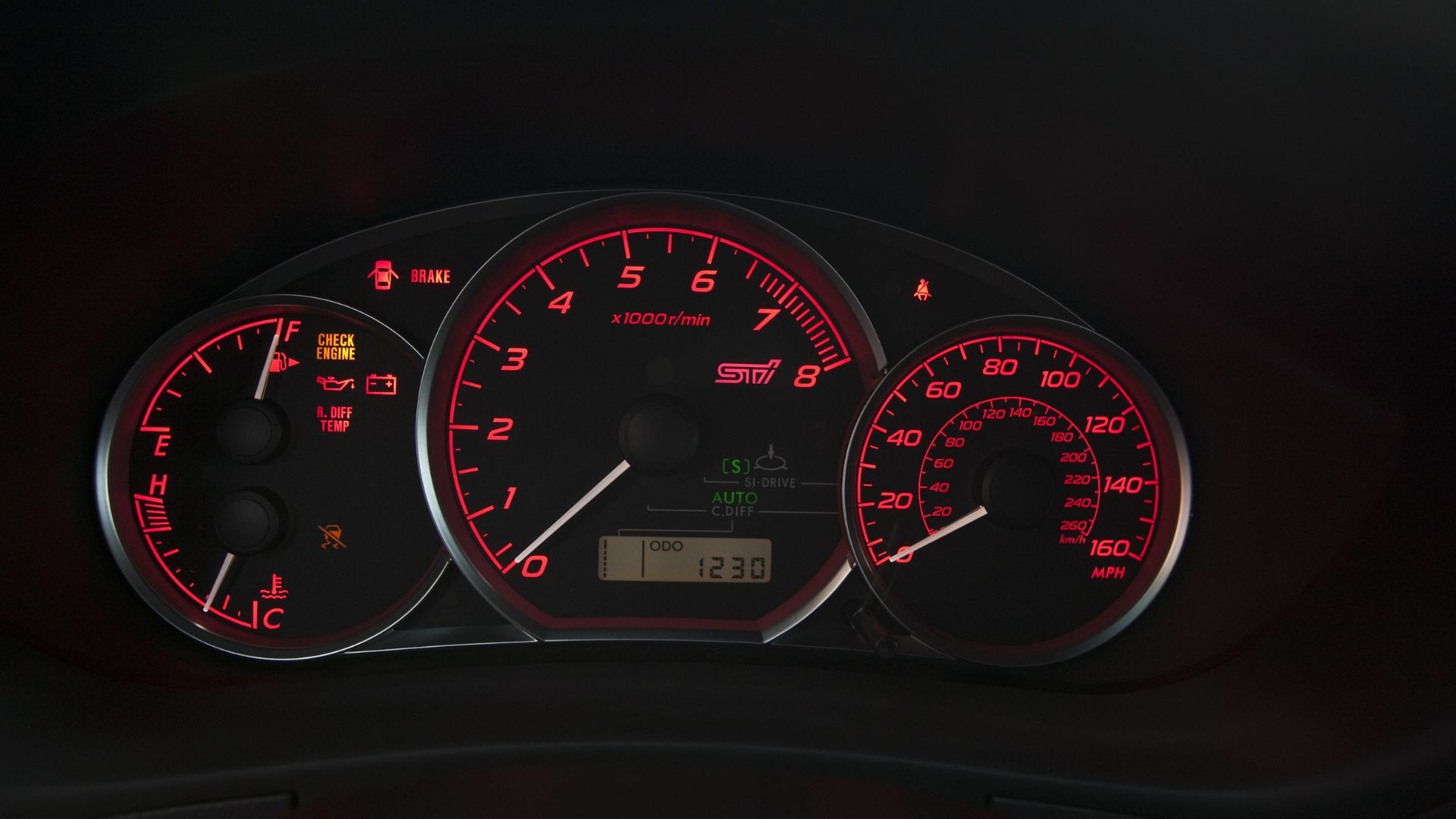
Simply put, odometer fraud is a type of scam where the person selling a used car tampers with the vehicle’s odometer to lower the displayed mileage. This enables them to set higher prices – since cars that have ostensibly traveled fewer miles are worth more. In past decades, odometer fraud was accomplished fairly easily by physically “rolling back” the odometer. However, with modern vehicles and digital dashboards, the process has become more complex.
What Are The Signs Of Odometer Fraud?
In order to protect yourself from scammers and avoid ending up with costly repair bills, there are steps you can take to look out for odometer fraud. Most of these actions are standard good practice when looking at any potential purchase on the used car market, but it’s worth noting how much mileage you have on the clock versus the age the car looks to be. Here are some things to look out for when you’re inspecting a used car for purchase.
Unusual Amount Of Wear And Tear

One potential sign of odometer fraud is an amount of wear and damage to the vehicle that’s not consistent with the advertised mileage. Of course, some cars might show a bit more wear and tear than others even with a lower mileage, especially if they have been driven in harsh weather conditions or on rough terrain. However, a vehicle that’s in very poor condition but is presented as having a low mileage can be a sign that something is amiss.
Looking at the interior helps you get a better idea: if you’re inspecting a car that’s meant to have a low mileage, but you see heavy wear on the pedals, steering wheel, dashboard, gear shifter, and seats, you might have run into a case of odometer fraud.
Lower Mileage Than Expected

The vehicle’s mileage shouldn’t just match its condition, but its age as well. According to the Federal Highway Administration, the average American drives 10,000 to 15,000 miles per year: keep that figure in mind when inspecting a car that’s been subjected to average use.
If you have concrete proof that the car has, in fact, been driven less than expected for a vehicle its age (for example, it belonged to someone you know), you can rest assured it’s legitimate. If you don’t, however, you should use the average figures to estimate how many miles the car should have. If the figure presented to you is much lower (for example, a 10-year-old car with only 30,000 miles on it), you have reason to be suspicious and should ask a few more questions.
Signs Of Tampering

Especially in modern cars, a certain amount of tampering is required to commit odometer fraud. Spotting the signs can be very difficult, but not impossible. Look out for things like scratches and marks near the dashboard and instrument panel (signs that someone may have removed and replaced them). Loose screws, fingerprints, and odd-looking numbers (in analogue odometers) are other tell-tale signs that someone may have committed odometer fraud. Make sure to touch, try to jiggle, or apply pressure to panels around the steering wheel to feel if anything is loose – it’s not a surefire way of spotting an issue, but it may just be the giveaway you need to cement your decision.
Aggressive Sales Tactics

A pushy car salesperson should always ring alarm bells, no matter what the circumstances, but if you have reason to believe odometer fraud may have been committed, it’s even more of a red flag. If the seller is emphasizing the car’s low mileage as a selling point, or encouraging you to overlook or ignore signs of damage, beware.
A very low price can also be a sign of a false bargain: before going to see a used car in person, you should get a good idea of what the average price for that particular model and year should be. If the advertised price sounds too good to be true, walk away.
Electrical Issues

Most modern cars have digital odometers, which are more difficult to interfere with; attempting to do so (usually by removing the car’s circuit board) may result in visible electrical issues when trying to operate the vehicle.
Of course, there are countless possible causes of electrical trouble, and digital odometer fraud is not the most common one. However, if you sit in the vehicle or take it for a test drive and see a misbehaving instrument panel, flickering displays, or dimmed lights, it might be a sign that someone interfered with the car’s electrics to roll the odometer back.
Records Cross-Check Fail

Getting a complete picture of a vehicle’s history and records is a crucial step for any used car purchase, and the risk of odometer fraud is just one of the many reasons why you should never skip it. The car’s service record and history report will tell you what the recorded mileage was at given points in time. You should cross-check this against the figure recorded on the car’s odometer, and if there are any discrepancies, it’s time to walk away from the purchase. A seller who refuses to provide you with the necessary paperwork is also a major red flag.

Related
The Best Car Apps for 2025
Apps are a part of nearly every aspect of modern life, and car ownership is no exception. Here are some of the best car-related apps out there.
What Should I Do If I Spot Odometer Fraud?
If you spot clear signs of odometer fraud while attempting to purchase a used car, there are steps you can take to report it and prevent other potential buyers from being scammed. The Office of Odometer Fraud Investigation is dedicated to looking into these cases: details are available on the NHTSA website, which also includes a state-by-state list of local enforcement agencies for odometer fraud. If you think you have run into a case of odometer fraud, you can get in touch to report it and protect other used car buyers.
Other Tips For Buying A Used Car
There are a some helpful steps when buying a used car that will allow you to have a positive purchase experience. Here are some things you should do to avoid getting scammed and dodge hefty repair bills:
Inspect the car inside and out

Signs of odometer fraud is not the only reason why you should check out a car in person before making your purchase. There are plenty of other things to keep an eye out for, such as scratches and dents, spreading rust, or leaks.
Take a look at the interior to assess its cleanliness and condition, making sure all the dashboard and infotainment features are functional; check the condition of the tires and brakes to make sure the car is safe to drive. You should also peep inside the engine bay, checking for any parts that may be worn or corroded.
Go for a test drive

Once you have completed your inspection and are satisfied with the condition of the car, you can go ahead with the next step: taking it for a test drive. This will allow you to assess the way it runs and drives, uncovering any issues you might not be able to detect when the car is parked. Keep an eye out for noises, smells, and unusual behavior (like veering to one side). Abnormal smoke coming from the exhaust is another potential red flag to look out for.
Use a VIN checking service

Remember the cross-check test we mentioned earlier to spot odometer fraud? This is only a small part of what you should do when looking at a used car’s records. There are online services available, such as Carfax and AutoCheck, that allow you to enter a car’s VIN (Vehicle Identification Number) to get a full report on its history and health. Look through the paperwork to check proper maintenance work has been carried out, and keep an eye out for any history of accidents or major damage.
Sources: Federal Highway Administration, CarPro, NHTSA, McCarthy Toyota of Sedalia Blog