Sporty. Rare. Coupe. In the motoring world, these words can get enthusiasts excited. They hint at a car that promises to deliver the immersive and intoxicating driving experience we crave. For example, consider the Lexus LFA, a dedicated supercar that delivers on every level and deserves a place among the greats.
The Lexus we are talking about is almost as rare, not because of a limited production run, but rather due to limited customer interest. On the surface, it ticked most of the boxes, but fell short in some crucial areas. Read on to find out why this sporty and rare coupe ended up becoming a sales disaster.
The Lexus LC500h was chosen for this article as its sales figures have been woeful over the past few years. All prices and specifications are from trusted sources.
The Lexus LC500 and LC500h
|
Model |
Lexus LC 500 |
Lexus LC500h |
|
Engine |
5.0-liter V8 |
3.5-liter V6 + Hybrid |
|
Power |
471 hp |
354 hp combined |
|
Torque |
398 lb-ft |
369 lb-ft combined |
|
0-60 mph |
4.4 seconds |
4.7 seconds |
|
Top Speed |
168 mph |
155 mph |
|
Base Price |
$101,200 |
$104,035 |
Just in case you haven’t already guessed it by now, the car that’s rarer than the very limited-edition Lexus LFA is the LC500h. The LC range arrived in 2018 as a range-topping grand tourer to replace the long-defunct SC, which ended production in 2010.
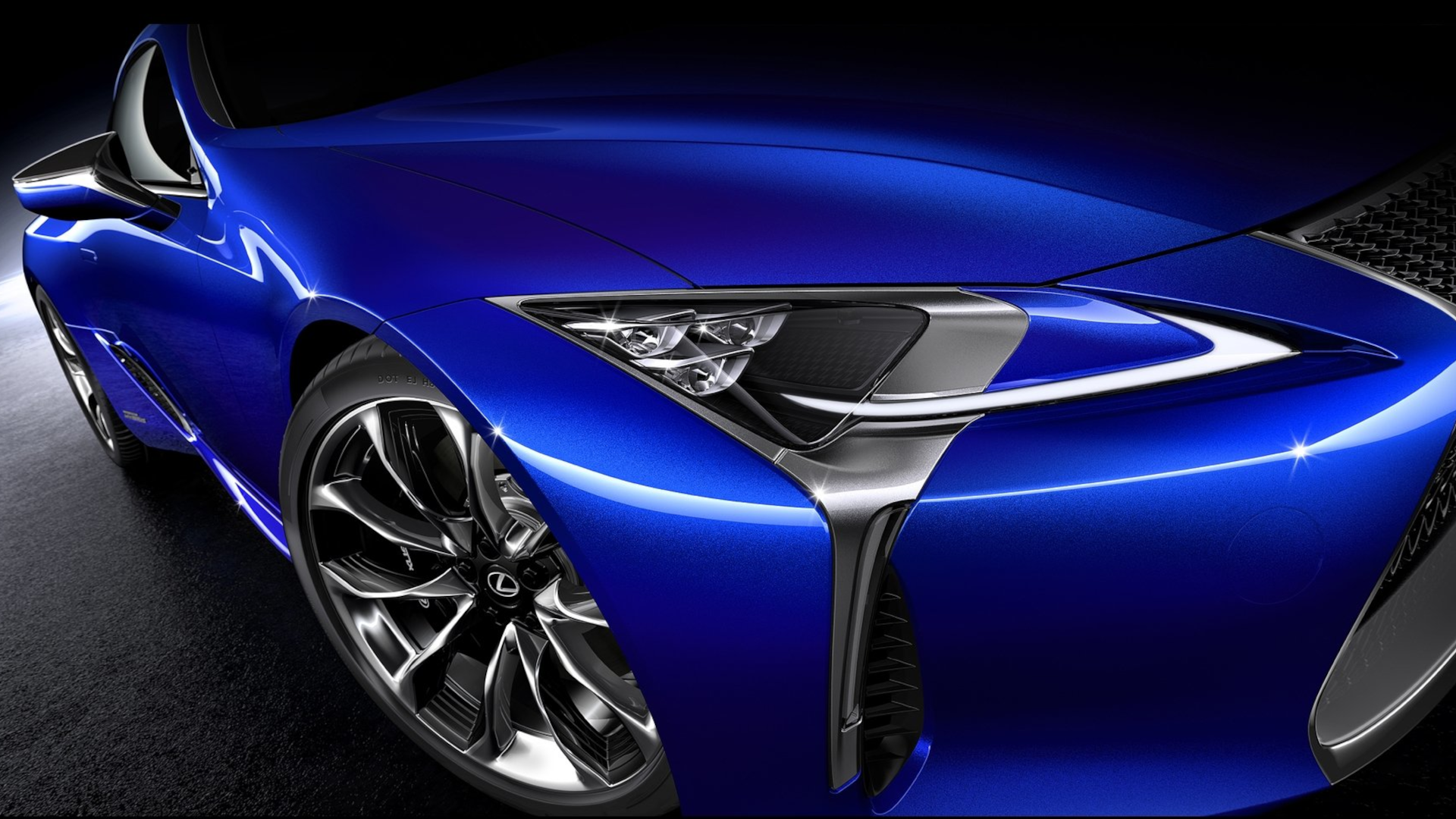
The design was, and still is, absolutely jaw-dropping. First up was a 5.0-liter V8 coupe fitted with a 10-speed automatic transmission that sent the 471 hp on offer to the rear wheels. It lacked the wall of torque offered by its turbocharged rivals, but the eight-cylinder made up for this with a sonorous exhaust note and still delivered strong performance if you made full use of the 7,300 rpm rev range. A pair of small rear seats added some practicality to the LC, but you would certainly want to sit in the front for longer road trips. The infotainment system wasn’t great from the start, but the rest of the interior was just as stunning as the outside.
A month after the debut of the LC500, the LC500h premiered. It featured a 3.5-liter V6 aided by an electric motor, which gave it a combined output of 354 hp. A hybrid four-speed/CVT transmission system replaced the 10-speed auto, but still simulated 10 gears electronically. A small 1.1-kWh battery pack helped power the electric motor and allowed for short distances of electric-only travel. Performance figures weren’t far off those of the V8, and fuel economy was reportedly far better, although it turned out that real-world figures weren’t always that different.
The next big change arrived in 2019 when the convertible LC500 arrived. It was available solely with the V8 engine, and came with an electrically operated soft top. The rear seats were retained.
Lexus has announced that the LC500h will end production this year, although the gas-powered V8 models continue, for now.

Related
Lexus Isn’t Done With The LC 500 Coupe And Convertible Just Yet
The Lexus LC500 coupe and convertible head into 2026 with subtle updates, a new Limited series, and special paint options.
Sales Figures Comparison
|
2017-2025 Sales Figures |
||
|
Model Year |
Lexus LC 500 + Convertible |
Lexus LC500h |
|
2017 |
1731 |
n/a |
|
2018 |
1629 |
102 |
|
2019 |
1182 |
37 |
|
2020 |
1279 |
14 |
|
2021 |
2768 |
14 |
|
2022 |
1368 |
19 |
|
2023 |
1724 |
37 |
|
2024 |
1446 |
18 |
|
2025 |
783 (till June) |
7 (till June) |
|
Total Sales |
13,910 |
255 |
Over the past eight years, the difference in sales figures between the V8-powered LC500 and the hybrid model made for interesting reading. Lexus is certainly a premium brand. However, some of its lower-tier offerings share drivetrain components with Toyota models. This is certainly not the case with the LC, which looks and feels even more expensive than its price tag of over $100,000.
Yet the LC500h sold in really dismal numbers. While the V8 LC500 averaged around 1,500 units per year, just 255 LC500h models have been sold during the entire eight-year production run. Perhaps it’s little surprise that Lexus is discontinuing the hybrid model at the end of 2025.
The LFA
Produced between 2010 and 2012, the Lexus LFA was a limited-production supercar that pushed the boundaries of what customers expected from the upmarket Japanese brand. It had a 553-hp, 4.8-liter V10 engine that revved to a screaming 9,000 rpm and featured a carbon-fiber chassis. With a base price of $375,000, Lexus struggled to sell the 500 units it planned to build, and many cars remained unsold for years. The US was allocated 150 vehicles, although some sources suggest 177 were eventually sold here. Either way, the numbers were small, and while it took a while to shift every LFA off the lot, they have become very sought-after modern classics, with the average value of an LFA now close to $900,000 and potentially growing even higher in the future.
Why Did the LC500h Sell So Poorly?
Fuel economy
It isn’t always easy to predict the sales performance of a new model, especially if the vehicle is a niche offering, and the LC qualifies as one. However, there were certainly signs that the LC500h might have struggled to find buyers. The 3.5-liter V6 was powerful and had a decent engine note, but even with the aid of the hybrid components, it couldn’t match its claimed 29 MPG combined fuel economy figure. The V8 LC500 had a rating of 18 MPG combined, but in real-world conditions, the difference was much closer, especially on the open road, where a grand tourer is supposed to excel. All that aside, customers considering $100,000+ cars are less sensitive about fuel economy figures anyway.
Power and Performance
The hybrid model’s 354-hp power output paled in comparison to the 471 hp of the 5.0-liter V8, yet the performance figures weren’t far apart. This was possibly due to the similar torque outputs. The V8 model still felt appreciably quicker and certainly pulled away at higher speeds, and telling your friends you just bought a hybrid sports car that has the same power as their four-door sedan wasn’t a good look. Either way, it was unlikely that many Lexus LC500 owners bought their cars for drag racing, and the low-rev burble of that V8, allied with its high-rev wail, made the gas-powered vehicle a far more characterful offering.
Pricing
You’d expect the V8 to be the pricier offering, but the additional complexity and cost of the hybrid drivetrain were clearly passed on to the customer as the LC 500h has always been more expensive to buy when new. That made the electrified variant a tough sell, even when considering any potential fuel economy gains. Additionally, the convertible body style had only been offered in conjunction with the V8, so customers seeking an open-air driving experience weren’t able to purchase a hybrid model, even if they wanted to. With used prices for V8s now approaching more affordable levels, buying an LC 500h used would only make sense if it were extremely cheap. Unfortunately, not a lot of information is available on used prices of the 500h. The last sale was in 2024, and somebody paid $45,000. The average selling price of the V8 model is $95,000, but there are many fine examples available for $60,000.
The BMW i8
The closest rival to the LC500h, at least in terms of its powertrain, was the BMW i8. It was less luxurious, but far lighter and delivered similar power from a smaller hybrid engine. It was quicker and just as eye-catching, and US sales figures amounted to 6,992 units between 2014 and 2022. It cost even more than the LC500h when new, but it was a more focused offering, and was only ever fitted with one hybrid powerplant.
Had the i8 been offered with a more powerful gas-powered engine, it might have lured customers away from the hybrid powertrain, similar to the LC500. The BMW reached $150,000 in its final year of production, but used i8s are now temptingly affordable.

Related
Lexus Kills Its Prettiest Hybrid Model
After only selling seven LC 500h models through the first half of the year, Lexus has decided the gas-electric V6 coupe won’t return for 2026.
Don’t Bet On It Becoming A Future Classic
Rarity is one of the key factors of a classic car. Sometimes that rarity comes from a planned limited production run or simply a lack of interest when the car is new. But even if sales are limited due to low customer demand, sentiments can change over time, as has been demonstrated by the Lexus LFA, as well as cars like the McLaren F1 and BMW M1.
The Lexus LC500h also falls into the rare category simply because customers don’t want it. A higher base price, worse performance, and mildly better fuel economy may have been the reason behind the poor sales, but the limited production numbers aren’t going to be enough to guarantee this Lexus coupe’s future classic status. The V8 LC500 may be another story altogether.
Sources: Lexus, Classic.com, fueleconomy.gov