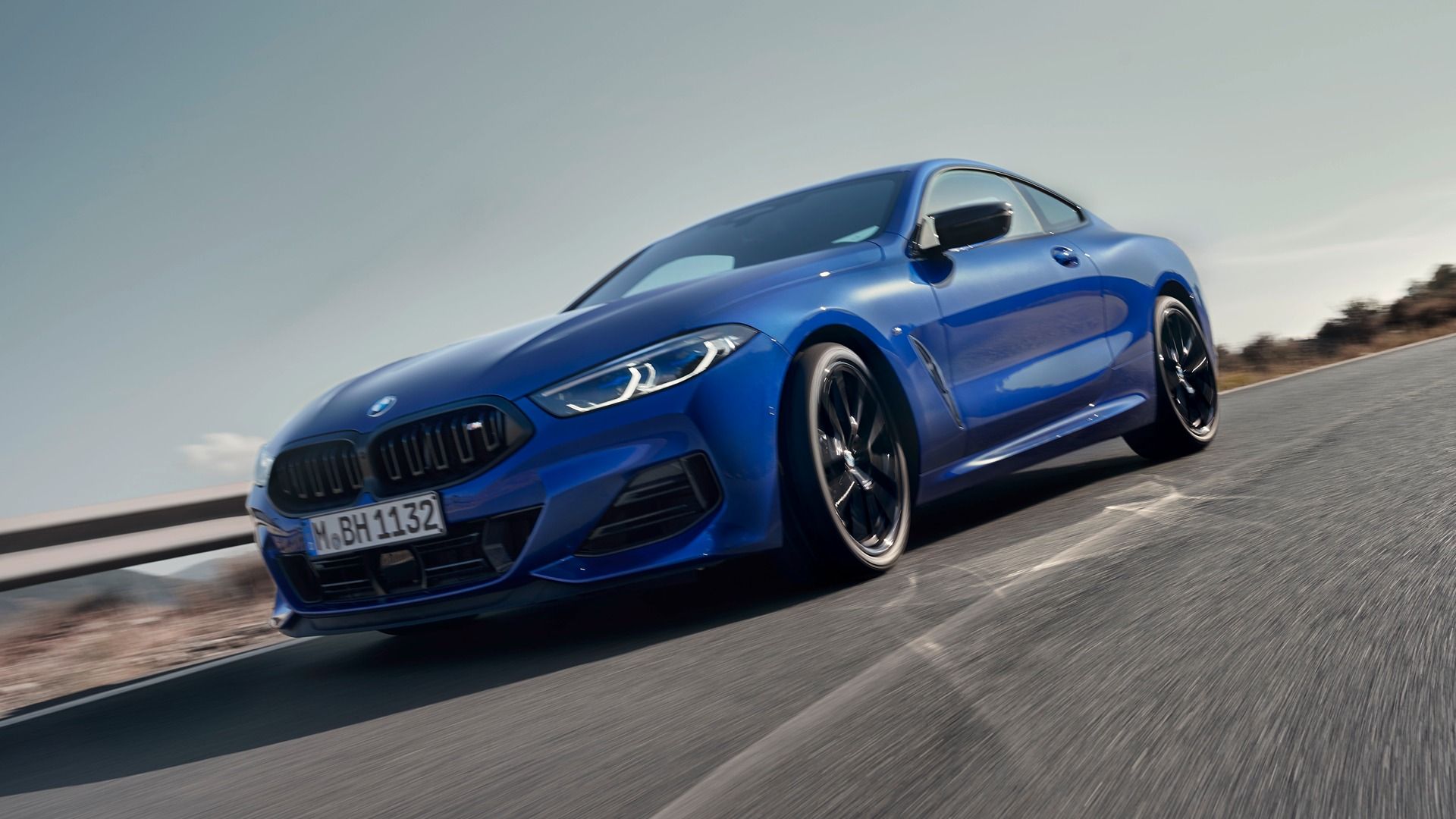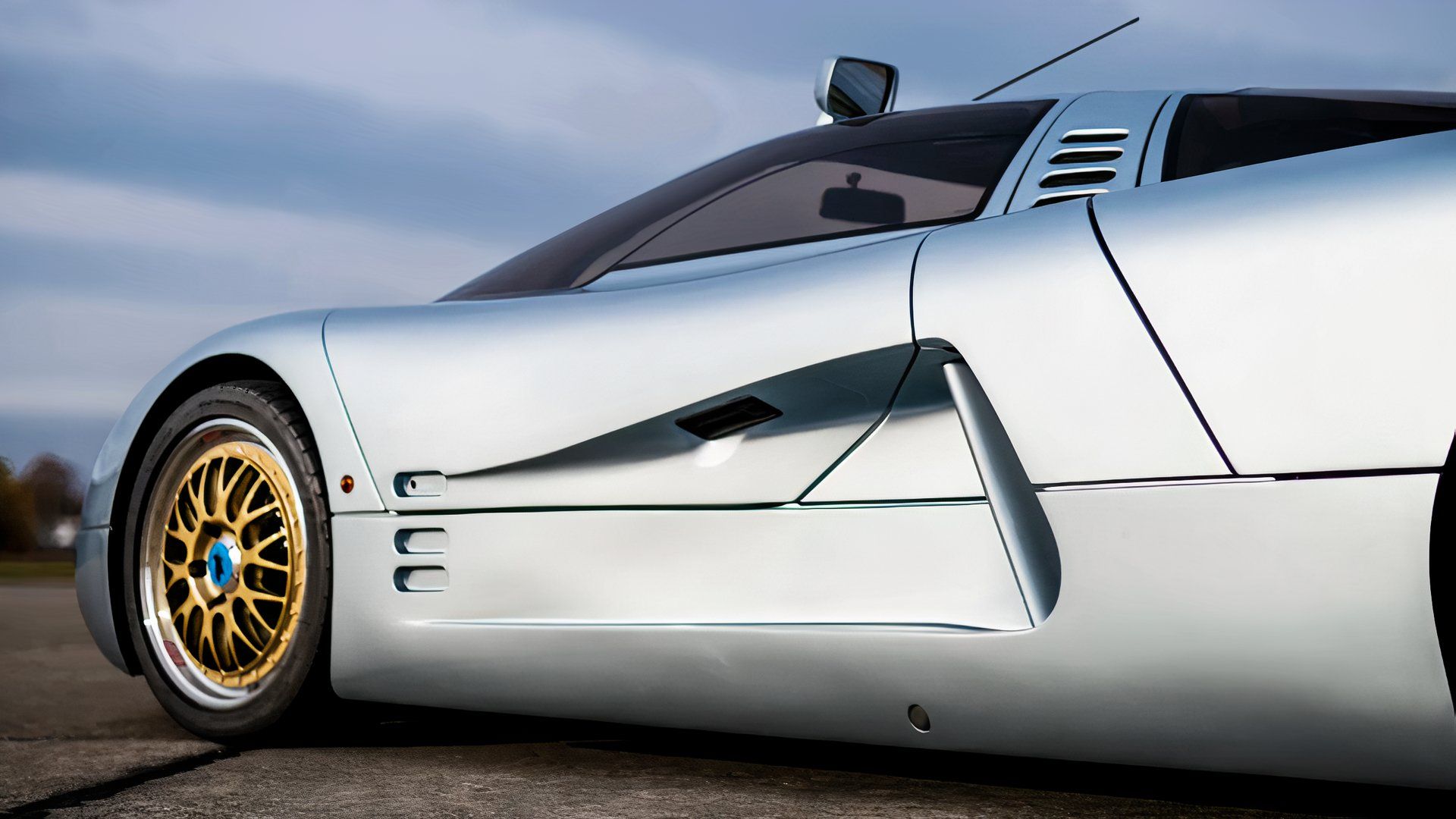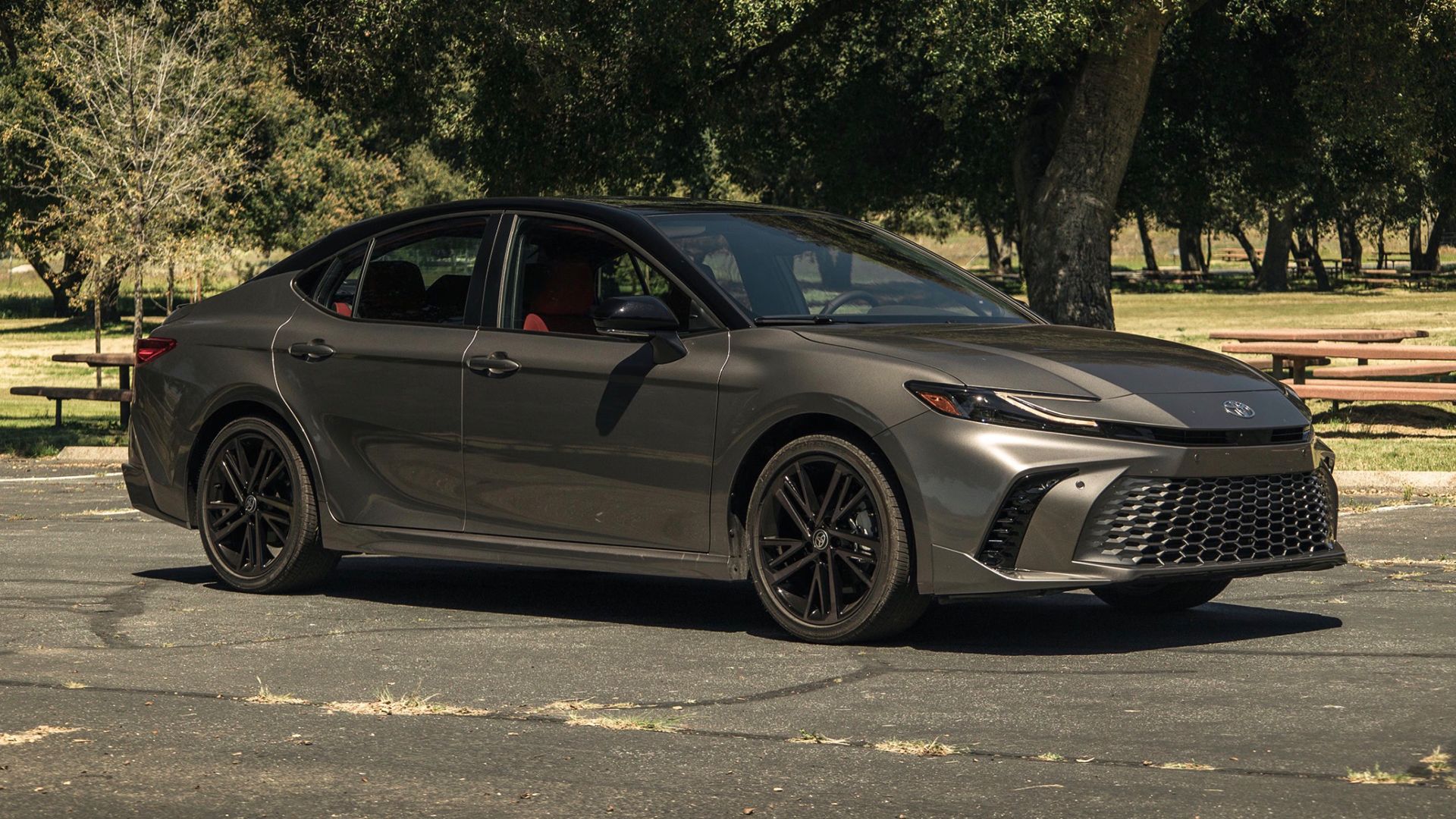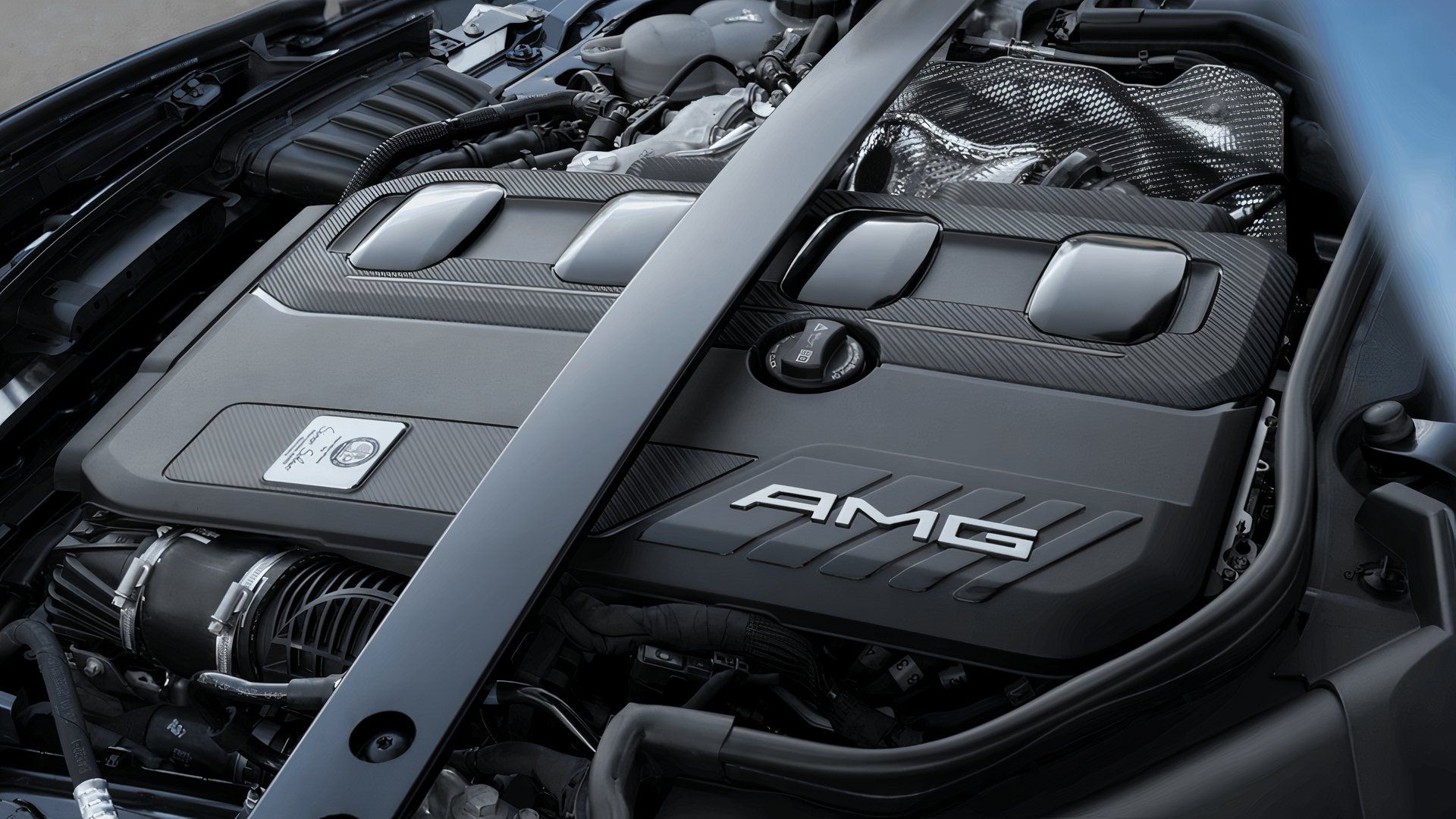
For most of us around the world, our cars will be powered by either a humble yet hard-working four-cylinder engine, or a smooth and consistent six-cylinder unit. Sure, we may aspire to own awe-inspiring V12 creations, or rumbling V8 muscle cars, but that isn’t the reality for the majority of us.
The article takes a closer look at 4-cylinder vs 6-cylinder engines, their intrinsic pros and cons, and how their respective roles amid the modern automotive landscape may be changing, in order to stay relevant.
CarBuzz has sourced all specifications and statistics directly from related manufacturers, although, if any other authoritative sources have been used, they will be listed separately at the foot of the article.
Related
Watch The Miracle Of Internal Combustion In Slow Motion
It sure is glorious.
The Basics Of An Internal Combustion Four-Stroke Engine
An internal combustion engine works by repeating the same four steps over and over. These steps are known as strokes, which give the typical combustion engine its name as a four-stroke engine. Here are those four strokes, and how they operate:
- The Intake Stroke: As the piston moves down, this opens the intake valve to allow air and fuel into the combustion chamber.
- The Compression Stroke: Next, the piston moves back up, which closes the intake valve and compresses the air and fuel mixture.
- The Power Stroke: The compressed mixture is ignited by the spark plug, which then forces the piston down.
- The Exhaust Stroke: Finally, the piston moves up, which opens the exhaust valve, and exhaust gases are forced out of the cylinder.
These strokes can just as easily be summed up as ‘suck, squeeze, bang and blow’ – which is perhaps a little more memorable than intake, compression, power and exhaust. Both four and six-cylinder engines are typically four-stroke, and operate in the same way, albeit just with different cylinder counts.

Add CarBuzz to your Google News feed.
The Differences Between 4- And 6-Cylinder Engines
While there are certain similarities between the two four- and six-cylinder engines, there are distinct differences too. For this reason, certain cars will be better suited to one size of engine, while another will favor the other. Typically, smaller economy cars will be better suited to smaller four-cylinder engines, while a car that needs to prioritize performance would typically favor a large six-pot engine. When looking at 4cyl vs 6cyl engines, these are some of the key differences.
More Cylinders Generally Equals More Power
This does not mean that every six-cylinder engine will be more powerful than every four-cylinder unit, as there is way more at play than just cylinder count. However, more cylinders mean a larger engine, and more combustion, which naturally results in more power. The capacity of a six-cylinder engine will also be higher, due to the extra cylinders.
Smaller Engines Are Easier To Package
One benefit of a four-cylinder engine is the smaller physical size, which means engineers can cram them into tighter spots, either longitudinally or transversely. This means four-cylinder mills will often be the engine of choice for front-wheel-drive cars, which have to package plenty of mechanical components into a small space. Furthermore, a smaller four-pot will often be lighter, too, which helps to keep a car’s curb weight down, favoring both economy and performance.
Six Cylinders Are Best For Luxury Cars
While manufacturers of economy cars will often favor four-cylinder engines, luxury car brands are almost always better off opting for a larger six-cylinder, and, in particular, an inline-six. This is because inline-six engines are renowned for being smooth, quiet, and free of excessive vibrations, due to the fact that they are naturally well-balanced. By well-balanced, we mean that when one cylinder is undergoing a combustion stroke, it’s balanced out by another cylinder carrying out an induction stroke.
Some manufacturers will prefer a V6 over an I6, though, because they often weigh less, and are typically more efficient in terms of power-per-liter.

Related
Fastest Four-Cylinder Cars: 10 Cars Proving Less Is More
A four-cylinder has long been seen as a downgrade, but these days, it’s definitely worth getting excited about.
Pros And Cons Of 4-Cylinder Engines

There is no single design of engine that is perfect for all applications, and so, naturally, each engine layout will have its fair share of positives and negatives. These are some of the more obvious pros and cons to a four-cylinder engine:
Pros
- They are cheaper to manufacture, buy, and maintain, due to their smaller size. Furthermore, four-cylinder engines are often not chasing big power figures, which means they can be relatively low-stress, and therefore not a challenge to maintain.
- Four-cylinder engines usually boast impressive fuel economy, as this suits the majority of applications, such as family, commuter, and city cars. Models that prioritize performance will usually opt for a larger engine layout.
Cons
- Due to their smaller footprint, four-cylinder engines are often less powerful than larger engines. Outputs can be boosted by turbo or superchargers, but the same is true for larger engines, too.
- As four-cylinder engines produce less power and torque, they often have to work harder than larger engines in order to get and keep a car moving. This can wear the engine out sooner, which results in comparably poor longevity.
- Four-cylinder engines aren’t as refined as six-cylinder mills.
Pros And Cons Of 6-Cylinder Engines

Just as four-cylinder engines have benefits and negatives, depending on the individual application, so do six-cylinder engines. These pros and cons will vary from engine to engine, and particularly from inline-six to V6 designs, but, for the most part, they apply across the board:
Pros
- Six-cylinder engines are favored for their silky smooth power delivery, due to their well-balanced designs. This leads to fewer vibrations and less noise, which is perfect for an upmarket or luxurious car.
- Due to packing two more cylinders, six-pot engines will almost always boast more power than comparable smaller engines. This means they do not have to resort to boosting measures, which can often put extra stress on the engine’s internals.
Cons
- The larger physical footprint of a six-cylinder engine means it’s harder to package than a smaller engine, which is often why six-pot-powered sports cars have elongated hoods.
- Due to a 50% increase in combustion chambers, six-cylinder engines usually return worse fuel economy when compared to four-cylinder engines. This is why they are no longer popular with regular commuter models, and are being replaced by many manufacturers.

Related
The Last Naturally-Aspirated V6-Powered Cars Left In America
Naturally aspirated V6 engines are becoming increasingly scarce. These are the models that still employ these engines in America.
Turbocharged 4-Cylinder Engines Are Taking Over From Larger Sixes

|
Engine Downsizing Comparison |
||||
|---|---|---|---|---|
|
Model |
Engine |
Power |
Towing Capacity |
Fuel Economy* |
|
2022 GMC Canyon |
3.6-liter V6 |
308 horsepower |
7,000 lbs |
18/25/21 mpg (RWD) |
|
2023 GMC Canyon |
2.7-liter turbocharged inline-4 |
310 horsepower |
7,700 lbs |
19/23/20 mpg (RWD) |
|
2024 Toyota 4Runner |
4.0-liter V6 |
270 horsepower |
5,000 lbs |
16/19/17 mpg (RWD) |
|
2025 Toyota 4Runner |
2.4-liter turbocharged inline-4 |
278 horsepower |
6,000 lbs |
21/26/23 mpg (2024 Toyota Tacoma) |
*city/highway/combined, as per the EPA
Manufacturers are always being pressured by governments and consumers to provide cleaner, greener forms of transport. However, the buying public don’t want this to come at the expense of capability. So, in an effort to provide an answer, manufacturers have been swapping out naturally aspirated six-cylinder engines for highly strung turbocharged four-pots.
This can be seen in both the GMC Canyon and Toyota 4Runner. The 2025 Toyota 4Runner drops the beloved 4.0-liter V6 for a turbocharged 2.4-liter inline-four. Despite losing 1.6 liters in capacity, power is up by 8 horsepower, and towing capacity soars by 1,000 lbs, too. While economy figures are not available for the all-new 4Runner yet, the same powertrain in the 2024 Toyota Tacoma returns much better economy than the outgoing V6-powered 4Runner.
It is much the same story with the 2024 GMC Canyon, which is now powered by a 2.7-liter turbocharged inline-four, instead of the old 3.6-liter V6. Power is virtually the same, at 310 to 308, plus but the new turbo-four can tow 700 lbs more than the old V6. It’s not all good news in this 4-cylinder vs V6 comparison, though. While the Canyon’s four-pot is more efficient in city driving, the old V6 achieved 2 mpg more in highway driving, indicating that it wasn’t working as hard at higher speeds.

Expert Opinion
“We had no complaints with the one-choice-only 2.7-liter turbocharged four-cylinder engine [in the Canyon]. Unlike the Colorado, which is available with a less powerful engine, the Canyon comes standard with the High-Output version of this engine, producing 310 horsepower and 430 lb-ft of torque. Plenty of torque combined with a smooth eight-speed automatic transmission never left us wanting more cylinders, though the four-cylinder emits a sound that is just ok.”
Summary: Are 6-Cylinder Engines Becoming Irrelevant?

Irrelevant is a harsh word to throw at the six-cylinder engine, but it’s easy to see why some may argue that the six-pot design has had its day in the sun. Instead, it would likely be more truthful and a touch more respectful to say that six-cylinder engines are becoming more specialist. No longer are you likely to find inline-six or V6 engines on the options list for mid-size sedans, or under the hoods of smaller coupes and roadsters.
However, enthusiast cars that need to prioritize big power are finding six-cylinder engines the go-to solution, instead of producing monstrous creations with 8, 10, or even 12 cylinders. For example, just look at McLaren and Ferrari – they’ve shown us all that six-cylinder engines are still very much relevant, just maybe not to the masses anymore.
Is It Better To Have A 4-Cylinder Or 6-Cylinder?
It all depends on the application. If you are after a cheap-to-run city car, then a 4-cylinder engine is better than a 6-cylinder engine. However, if you are in the market for a sports or luxury vehicle, then 6-cylinder engines will likely be better suited to your needs.
What Are The Disadvantages Of A 4-Cylinder Engine?
A 4-cylinder engine has many upsides, but there are downsides too. For example, they are typically not as powerful as larger engines, and they have to work harder than large engines in order to get a car moving at speed.
Do V6 Engines Last Longer Than 4 Cylinders?
The longevity of an engine depends on many factors, so it can not be determined whether V6 engines will outlast 4-cylinder engines or not. Having said that, V6 engines typically won’t have to work as hard as a 4-cylinder engine, so they may prove more likely to last longer as a general rule.