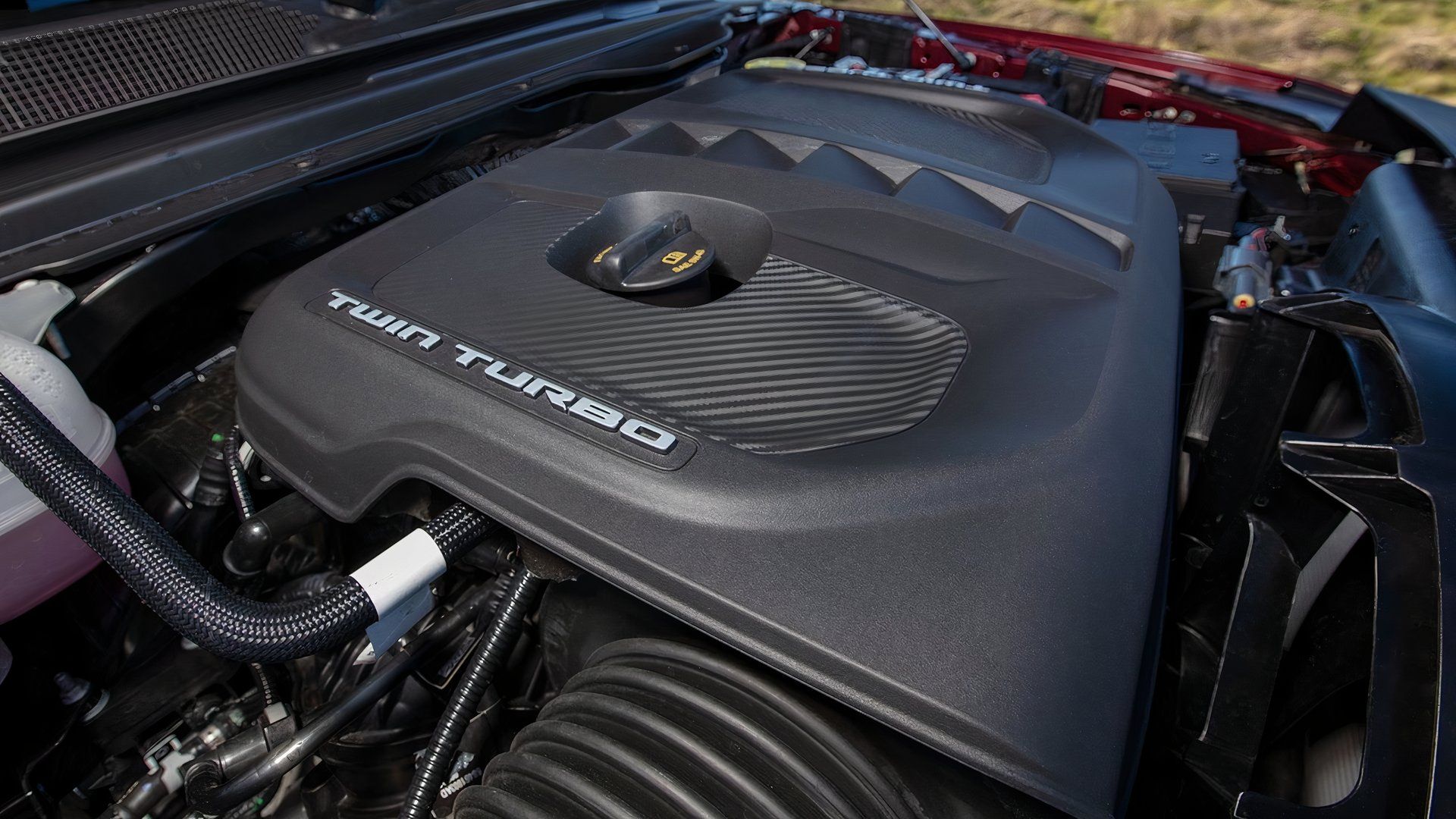
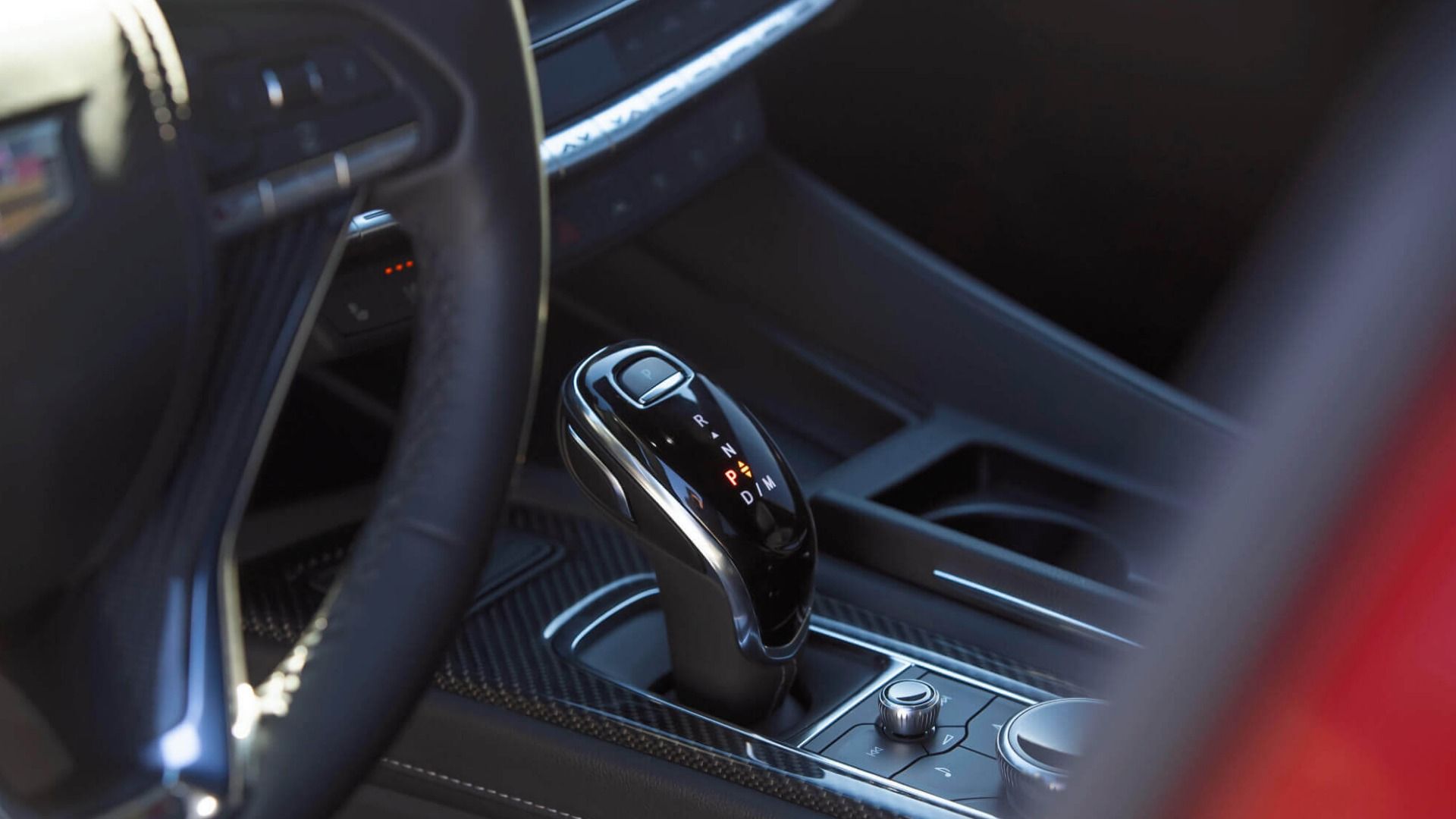
General Motors has issued a recall for 90,081 Cadillacs and Camaros that have a rather troubling problem. It all has to do with their 10-speed transmissions. In the case of the affected models, the transmission can be damaged and cause the front wheels to lock-up. Affected vehicles include the 2019-2020 Cadillac CT6, 2020-2021 Cadillac CT4 and CT5, and 2020-2022 Chevrolet Camaro.
-
Chevrolet
Founded in 1903, Chevrolet is one of America’s oldest remaining legacy automakers. Acquired by General Motors in 1918, Chevrolet is the core GM brand responsible for the bulk of GM’s US sales. As a mass-market manufacturer, Chevrolet competes in multiple key segments, primarily the SUV and truck segments, but also sports cars and mainstream sedans and hatchbacks (until recently). Core models for the brand include the Silverado, Colorado, Suburban, Camaro, and Corvette.
- Founded
-
November 3, 1911
- Founder
-
Louis Chevrolet, Arthur Chevrolet, William C. Durant
- Headquarters
-
Detroit, Michigan, United States of America
- Owned By
-
General Motors
- Current CEO
-
Mary Barra
-
Cadillac
Cadillac is a luxury automotive brand that is a part of General Motors. Founded in 1902, it has a long history as a premium luxury brand. Its current lineup includes both sedans and SUVs with a variety of propulsion systems, including a growing number of electric vehicles. In addition to luxury, Cadillac also focuses on performance, particularly with its V-Series vehicles.
- Founded
-
1902
- Founder
-
Henry Leland
- Headquarters
-
Warren, Michigan
- Owned By
-
General Motors
- Current CEO
-
Johan de Nysschen

According to reports filed with the National Highway Traffic Safety Administration (NHTSA), the issue first came to light on September 27, 2024, when a GM brand quality manager reported it to GM’s Speak Up For Safety program. This program lets anyone within the company anonymously report a safety concern without fear of retaliation.
The Issue Can Appear Instantly With Little Forewarning
The manager reported that the driver of a 2021 Cadillac CT5 experienced front-wheel lock-up while driving. The CT5 is generally reliable, so this was a surprise. The vehicle automatically shifted into neutral and had to be towed for repairs. Both the damaged engine and the front differential had to be replaced.

Related
Super Sedan Shootout: 2025 Cadillac CT5-V Blackwing Vs. BMW M3 Competition xDrive
There is a method in our madness.
At that time, GM had already investigated the issue and determined that excessive wear in a control valve in the transmission caused harsh downshifting. In rare cases, a lock-up of less than 150 milliseconds was the result. It wasn’t enough to cause the driver to lose control, and with no accidents or injuries reported, no action was taken.
GM Can Now Identify The Issue 10,000 Miles Before Any Failure
On November 21, 2024, GM opened up an investigation into the issue. This required collecting field data for analysis. By December 18, the investigation identified 115 field reports involving a lock-up possibly related to the issue. On February 27, 2025, the decision was made to issue a recall. Rather than immediately replacing parts, which is a more costly solution, GM is using software to monitor the possibly faulty transmissions.

Related
Chevy’s Camaro Revival Might Not Go As Planned
The big bosses at GM have reportedly put all the hard work put in so far to be scrapped.
New transmission control software will be installed in potentially affected vehicles. This new software will monitor valve performance and detect excessive wear. It will be able to determine that there is a problem roughly 10,000 miles before a lock-up occurs. In those cases, the transmission will be limited to fifth gear. Since the lockup happens when downshifting from eighth gear, this will prevent any damage. A check engine light will illuminate and a reduced propulsion message will be displayed for the driver, meaning the car will shift into limp mode. At that time, the owner will need to take their Camaro or Cadillac in for repair. All of this will, of course, be at no charge to customers. Dealers were notified on March 6, with customer notifications set to begin on April 21.
Source: NHTSA