Most people think of cars as either new, used, or ready for the crusher. For most vehicles, that is the trajectory they follow. Then, there are a small handful that sidestep the metal jaws of death and move on to become desirable collectors’ items. It would be great to have bought an air-cooled Porsche 911 when they were selling for peanuts or a Ferrari 250 GTO when it was seen as a used race car instead of a work of art. And how do we know which current cars will be future classics? Surely a highly covetable Porsche like the 911 GT3 will qualify?
Aside from buying such a special model – and not driving it to protect its value – or a limited-edition exotic, there are ways to predict which cars are destined for greatness and which are merely consumer goods. We explain just how this process happens and what to look for if you are in the market for a car that may become an investment in the future.
We assess the main factors that influence car values over time.
Classics, Collectibles, and Old Bangers
Every new car gets old, and every old car is bestowed “classic” status once it reaches 20 years old in the US. And at 25 years, cars not originally sold in the US become eligible for importing to our shores. But not every classic is a desirable collector’s car, and many old cars are worth less than the gas in their tanks.
Most cars are designed to address two issues: the first is to make money for the manufacturer, and the second is to provide transport. Some cars, like the Bugatti Veyron, Porsche 959, and other limited-run exotics, buck this trend, but the vast majority do not.

Add CarBuzz to your Google News feed.
However, regardless of whether you are looking at a base Nissan Versa or a McLaren 750S, there are certain factors that will influence a vehicle’s future value. Some are obvious from the day they roll off the production line, while others become apparent many years later. The following areas are some of the key factors that decide whether you have a valuable classic or a depreciating asset.
- Historical significance
- Overall condition: original or restored
- Mileage
- Rarity
Historical Significance
The original Volkswagen Beetle was designed to deliver affordable transport for the masses and sold in the millions. It was cheap, basic, and common, yet it hugely influenced the course of automotive history. That alone may not be enough to make it valuable, but certain examples are very sought after.

Related
Why Volkswagen May Not Be Interested In Bringing The Beetle Back
Here’s why we think the Beetle will remain where it is – out to pasture.
The Citroën DS was introduced in 1955 and featured many innovations and advanced technologies that had never been seen before in mass-produced cars. It had four-wheel disc brakes, power steering, and even an adjustable ride height. Both Maserati and Rolls-Royce licensed its impressive hydropneumatic suspension. So, despite the DS being a mass-produced family car, it remains a valuable classic thanks to its historical significance.
Condition, Restoration and Mileage
That brings us to the overall condition of a vehicle. Every car is new only once. A bit of a trite statement, but the point is that the older a car gets, the less likely it is to retain its showroom glow.
Keeping a car looking like new decades after it should have been consigned to the rubbish dump puts it on the right path to becoming valuable. Maintaining its originality is another step in the right direction. A rare A80 Toyota Supra in good condition can be a valuable car; find one with no aftermarket mods, and you have struck gold. Mileage is another factor intricately linked with car values as they age. The US Department of Transport says that the average car does 13,476 miles every year. That means that a 30-year-old car should have typically done 404,280 miles. If you see one with 20,000 miles on its odometer, that marks it out as something special. Or the owner lost the keys at some point. Either way, low mileages and as-new condition tend to go hand in hand.

Related
Mk4 Toyota Supra Buyer’s Guide: Everything To Know About The 1993-1998 Toyota Supra
Here’s everything you need to know about buying Japan’s most iconic sports car – the fourth-generation Toyota Supra.
Some collectors prefer untouched original cars, even if the paint has started to peel or fade, and the leather seats are cracking in places. Others prefer fully restored examples, and these fall into two broad categories: restomods and restorations. Restomods are cars that have been restored and modified in the process to bring them to a more modern standard. Some get modern running gear or updated electronics, while others, like Singer Vehicle Design, Alfaholics, and Icon, redesign the cars with bespoke parts. Restorations are the traditional way of doing things. Cars are brought back to as-new condition, and generally have the bare minimum of upgrades, preferably from a period parts catalog.

Related
Low Mileage Ford GT Is Americana Begging To Be Driven
This mid-engine all-American icon could be yours.
Rarity
Some cars are built in the millions, while others are one-off specials, so you’d expect the rarer models to be more desirable by default. But, don’t write off a mass-produced car just yet, as the ravages of time can turn a once common model into the rarest of cars. The value of a Ferrari, special-edition Porsche, or one-off Pagani already accounts for its relative rarity in the sticker price. 20 or 30 years down the line, the values will certainly have increased, but other factors like overall condition and mileage may have a bigger bearing on what that sort of car is worth.
On the other side of the spectrum, over 15 million A Ford Model Ts were built. That is about as rare as a sunrise; however, the last Tin Lizzie rolled off the production line in 1927, and few are known to have survived, especially in original condition. A near-perfect 1908 Model T sold at a Bonhams auction in 2022 for $246,400. Rare examples of mass-production cars are also worth a look. BMW M models, Mercedes-AMG cars, and certain Audi RS models can be worth many times what their less sporty stablemates sell for. The same goes for homologation specials, that are loosely based on the bread-and-butter road cars.

Related
The Rarest Mazda Miata Ever Made
Only 200 examples of the MSR 12R will be created, but another version of the MX-5 exists that is even rarer.
Another aspect of rarity is whether a vehicle was owned by a famous personality or was raced in period. Not all collectors value these traits, but certain vehicles derive all their value from the celebrity or racing success they are associated with. Tupac Shakur’s 1996 BMW 750iL was put on sale for $1.75 million in 2021, a car that would otherwise be worth $5,000 if it had been bought by someone unknown. That said, it has been on sale for years with no takers, so beware of sellers trying to pump up prices because Dolly Parton once sat in the back seat of that Mustang you are interested in.
So, Where Do You Start?
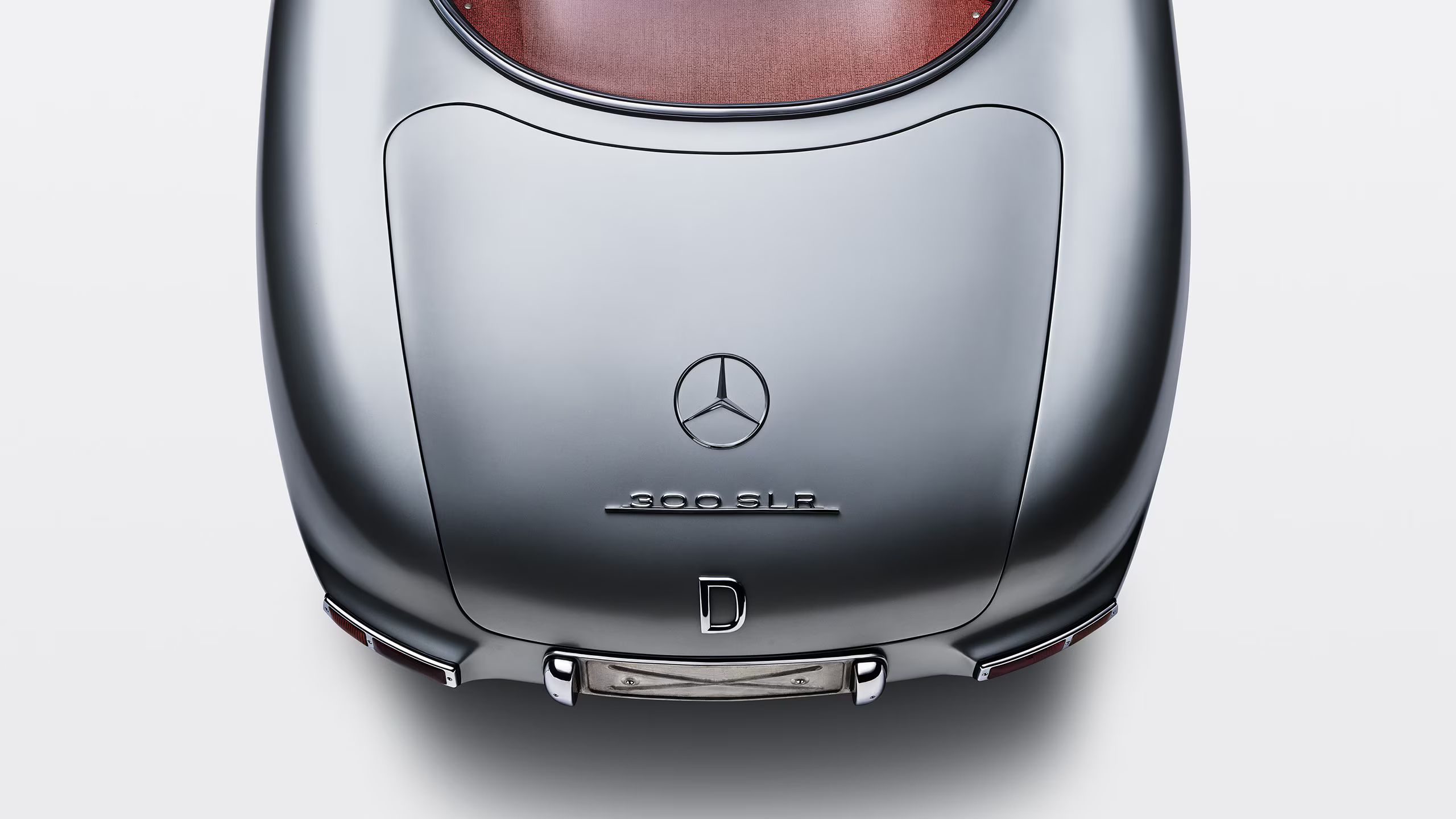
Holding on to your ratty old Toyota Camry with sky-high mileage in the hope that it will one day fund your beach house is not a plan that’s going to work out. Rather, look for a used car that possesses at least some of the following traits: rarity, originality, good condition, low mileage, and some sort of historical significance; then, it may well become a valuable collector’s item in the years to come. Cars like the Mercedes-Benz 300SL, McLaren F1, and Ferrari F40 are already rare, historically significant, and tend to be kept in perfect condition, but the entry price is so far beyond most mortals that they remain rich people’s playthings.

Related
10 Iconic Rally Cars And How Much They Differ From Their Road-Legal Counterparts
Back in the day, some of the best rally cars had an (almost) identical production version twin, for you to enjoy on an everyday basis
So, where do you start? Cars built in the ‘80s, ‘90s, and early 2000s are now enjoying a renewed interest among the collector car community as buyers are now old enough to turn their childhood bedroom posters into reality. Japanese sports cars are also seeing major interest after decades of low values. Many still cost less than a new family car. And remember that if you buy a car you really like, its long-term value will be of secondary concern. After all, cars were meant to be driven, not stored in a garage. If the value goes up, then that’s an added bonus.
Sources: Bonhams, Classic.com, US Department of Transport.