
Hybrid power is no longer limited to small and unappealing commuters, and with almost every vehicle type these days available as a hybrid, electrified vehicles are more alluring than ever. And, as the technology becomes more readily available, many new hybrid vehicles have all-wheel drive as standard. The all-weather traction benefits of an AWD system are hard to beat, and it’s become one of the defining traits of the crossover, SUV, and luxury car segments. Here is our take on the best hybrid all-wheel drive cars of 2025.
Vehicles are assigned a BuzzScore in relation to their direct segment competitors, and as such, vehicles in this list, while similarly scored, do not necessarily compete directly against one another. Find out more about how the BuzzScore ratings work here. These lists are continuously updated with the latest BuzzScores and vehicles as they become available.
Only hybrids and plug-in hybrids have been considered for this list; mild hybrids have been excluded.
2025 Toyota Prius
- Base MSRP
-
$28,350
- Engine
-
194 hp combined (FWD) | 196 hp combined (AWD)
- Base Trim Engine
-
2L I4 Hybrid
- Base Trim Fuel Economy (city/highway/combined)
-
57/56/57 MPG


2025 Toyota RAV4 Hybrid
- Engine
-
2.5L Dynamic Force I4 Hybrid
- Horsepower
-
219 hp combined
- Transmission
-
CVT
- MSRP
-
$31,900
- Fuel Economy (city/highway/combined)
-
41/38/39 MPG

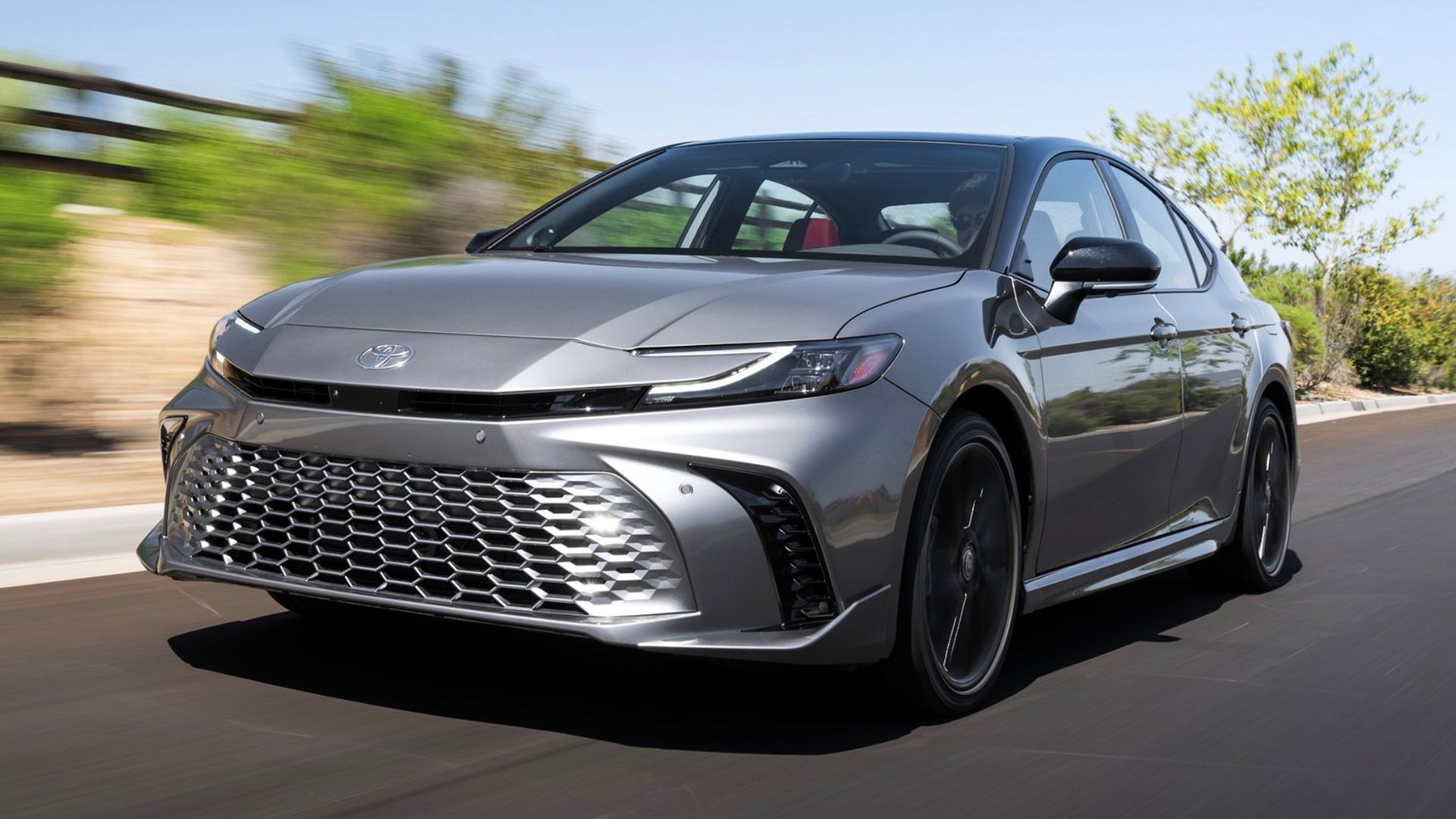
2025 Toyota Camry
- Base MSRP
-
$28,400
- Engine
-
2.5L Inline-4 Hybrid
- Horsepower
-
225 hp (FWD) | 232 hp (AWD)
- Fuel Economy
-
53/50/51 mpg (best: LE FWD)

2025 Kia Sorento Hybrid
- Base MSRP
-
$38,690
- Engine
-
1.6L Turbo Inline-4 Hybrid
- Horsepower
-
227 hp
- Fuel Economy
-
36/36/36 mpg (FWD) | 34/34/34 mpg (AWD)

2025 Mazda CX-70 PHEV
- Base MSRP
-
$54,400
- Engine
-
2.5L Inline-4 Plug-in Hybrid
- Horsepower
-
323 hp
- Fuel Economy
-
56 MPGe/25 mpg combined
- Electric Range
-
26 miles

2025 Honda CR-V Hybrid
- Engine
-
2.0L I4 Hybrid
- Horsepower
-
204 hp combined
- Fuel Economy
-
43/36/40 mpg (FWD) | 40/34/37 mpg (AWD)

2025 BMW X5 Hybrid
- Base MSRP
-
$73,100
- Base Trim Engine
-
3L I6 Hybrid
- Base Trim Horsepower
-
308 HP @5000 RPM
- Base Trim All Electric Range
-
39 miles
Characteristics Of PHEV And Hybrid AWD Vehicles
What sets hybrid vehicles with AWD apart from the rest? Here are some commonalities:
- Under the hood: Electric assistance is the common denominator here, with hybrid and plug-in hybrid cars combining gas engines with electric motors and batteries. While PHEVs can be recharged by plugging into an outlet, regular hybrid cars don’t need to be recharged externally.
- Weight: Hybrid cars and other electric vehicles are generally heavier than their gas-powered counterparts by default, thanks to all the electronic gadgetry required. Those with AWD components are even more so. Hybrid cars with all-wheel drive are rather portly.
- Pricing and features: Hybrid cars are usually on the pricier end of the spectrum but are also usually better equipped with features than base models. You can expect hybrid AWD cars to have all the benefits of mid-range models with good levels of comfort and convenience.
- Fuel economy: The driving force behind hybridized vehicles is to lower fuel consumption and be better for the environment in terms of emissions. Hybrid cars should offer better gas mileage figures overall, although with PHEVs you will have to take charging times into account. The trade-off is the all-electric range available.

What To Consider When Buying Hybrid Cars With All-Wheel Drive
Before making the decision to purchase an AWD hybrid car, here are some advantages and disadvantages that may help you make the best purchasing decision:
Pros
- Lower gas bills in the long run
- All-wheel-drive traction is a boon in adverse weather conditions
- All-electric range on AWD PHEVs is practical for those who don’t travel long distances daily
- Outputs may be enhanced by added electrical assistance
- Extensive battery and hybrid component warranty cover
- Hybrid tech is available on most vehicles, from trucks and SUVs to sedans
- Certain plug-in hybrid cars qualify for tax credits in the USA
Cons
- Performance can be negatively impacted by sheer weight
- Higher cost at the outset
- Plug-in cars have long charging times and the range may be very short in some cases

Related
What Is The Best Hybrid SUV?
Automakers frequently hybridize their popular models to appeal to a larger market, and given the popularity of SUVs and crossovers, it’s no surprise there are many hybrid SUV options. While having more choices is generally good, it can make decision-making harder. Hybrids offer many benefits but also have drawbacks.
This could be a major purchase decision and needs to be considered carefully. Which one would you pick?
Are AWD hybrids reliable?
The use of hybrid technology and AWD doesn’t directly correlate to reliability, despite the common belief that fewer moving parts mean fewer problems, or the converse – more electrical components mean more electrical problems. Like other hybrids, AWD hybrid vehicles come with extensive warranties that cover all the gadgetry, however.
Can you take all-wheel-drive plug-in hybrids off-road?
If properly equipped, an AWD PHEV is a good choice for off-roading for a few reasons: lots of torque is good for situations where you need low-end power to get over an obstacle; the near-silence on some EV modes means you can be in nature without disrupting it, and fewer emissions are always good for the outdoors.