Knowing when to give up your keys is never easy. Giving up your freedom, your mobility, and something you’ve done for decades is one of the hardest decisions you can make. If you have to make it for a loved one, that can be extraordinarily difficult for the entire family.
But what if your car could make that decision for you? That’s what GM is proposing in a new patent called: system and method for determining a driver retirement score. It would use an algorithm to monitor your driving and then let you know, presumably without pretense, that you’re past your prime and to hand the keys over to someone before something bad happens.
Yes, Your Car Will Be Judging You. Harshly
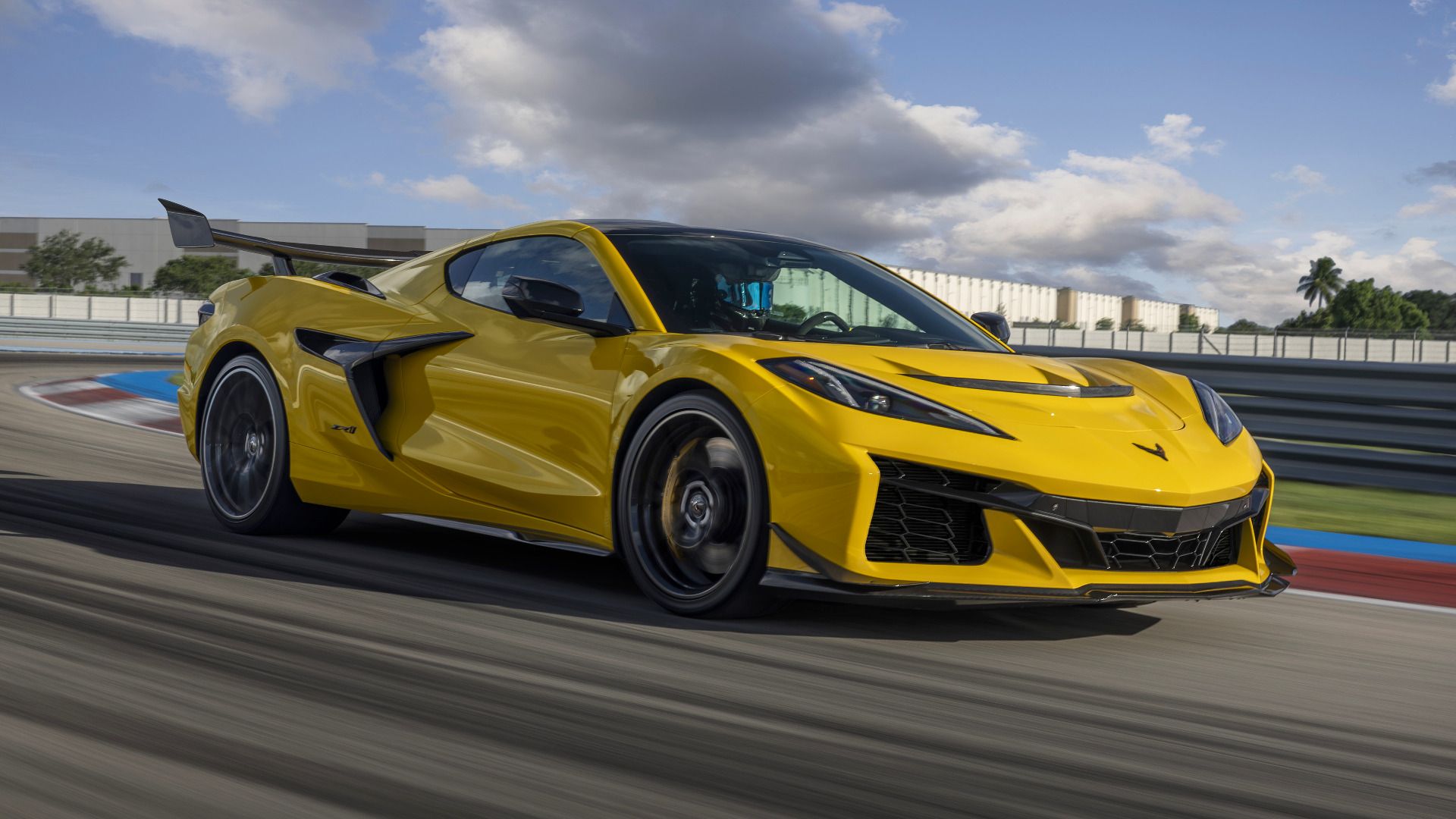
Like it says in the patent, as we get older, we can suffer from physical and psychological declines. Our reflexes get worse, our vision probably gets worse, and, and there are plenty of other issues to worry about. This patent wants to take away some of the subjectivity and emotion in making the decision to give up your keys, even though it will probably cut into sales of GM brands like Buick and Cadillac. On the bright side, those gray-haired Corvette jokes could finally go away. Jean shorts and New Balance shoes will never be the same.
The system would use a whole suite of sensors in the vehicle, gathering data about driving habits and measuring responses. Some of the potential inputs include things like squinting, honking, signaling, and drifting in (or out of) your lane. It would also measure inputs like driver posture, acceleration and brake pedal responses, and just about everything else you could think of.
It would then put each response into one of three categories: one of acceptable behaviors, one that’s questionable, and one that it calls “unacceptable.” The car would then calculate a score and monitor its change over time. If the driver falls below the threshold for “acceptable” driving, the car could then notify “a designated contact of the driver.” Of course, that’s not far from notifying the authorities, even if the patent filing doesn’t specifically mention that scenario.
Could Also Better Monitor For Distractions, DWI

GM’s inventors suggest that it could have a much broader use than just ‘should you retire?’ It could also be used to monitor driver fatigue, improving on current systems that perform that task. Or it could watch you to make sure you’re actually driving, and not actually on your phone or engaging in some other distracted driving activity. Of course, it could also monitor you for drug or alcohol impairment.
The idea goes well beyond just watching you in the lane and in the car, though. The patent states it could also monitor facial expressions, or monitor how a driver responds to pedestrians or cyclists. It even posits adding an external microphone, though it doesn’t say what that audio might be used for. We’re guessing anyone driving around the neighborhood yelling get off the lawn would be an automatic failure.
Do we like the idea of an algorithm telling you when you’re no longer fit to drive? We sure don’t. Perhaps a bigger question is whether a stubborn driver would accept the assessment of a machine, which seems unlikely. At least this idea stems from a car company versus a tech company, and one that has largely given up on making cars that don’t need you. GM still has motivation to keep you behind the wheel, even if that means you eventually have to hand that wheel off to someone else.
Source: USPTO
Patent filings do not guarantee the use of such technology in future vehicles and are often used exclusively as a means of protecting intellectual property. Such a filing cannot be construed as confirmation of production intent.