
flex circuit enhance product design
Rigid Flex PCBs combine the rigidity of traditional printed circuit boards with the flexing capabilities of a fully flexible circuit board. They are often used in electronic devices that need to save space, reduce weight, or withstand harsh environments. They are also ideal for hybrid applications that require the best of both worlds. The combination of rigid and flex PCBs can help engineers and designers create innovative and efficient electronic products. However, it is important to understand the key features of pcb rigid flex to ensure that they are the right solution for your project.
Typical flex circuit constructions feature a layer structure that is similar to traditional PCBs, with a core of adhesive-less polyimide film and copper layers for the flex sections. Rigid flex designs can contain multiple rigid and flexible layers, as well as stiffeners to enhance mechanical stability. The flex sections may also incorporate a cover layer and pre-preg to protect the copper and provide additional mechanical strength. Manufacturers fortify the rigid sections with FR-4 fiberglass and pressure sensitive adhesives.
Since rigid flex designs have both flexible and rigid sections, they are more complex to design than standard PCBs. Engineers must take into account signal integrity and EMI issues in the flex sections, as well as thermal expansion in the rigid sections. Additionally, designers must make sure that the rigid-flex PCB’s plated through holes (PTH) are properly located and sized to avoid stress and reliability issues.
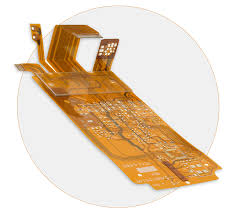
How does a flex circuit enhance product design?
Another key factor to consider is the rigid-flex PCB’s bending characteristics and its maximum bend radius. The optimal bend ratio is determined by comparing the PCB’s thickness to its width. A higher ratio will require a thicker PCB, while a lower one will allow the PCB to be bent thinner.
The high-performance of a rigid-flex PCB requires the use of high-quality materials. Low-quality materials could lead to heat and electrical issues in the flex section, as well as reduced flexibility and durability in the rigid section. This can result in a shorter lifespan for the entire circuit board.
It is critical to work with a trusted PCB manufacturer that specializes in rigid flex and can provide expert advice regarding your specific needs. A reliable PCB manufacturer can also provide a full range of manufacturing services, including etching, drilling, solder masking, and more. Additionally, a reputable PCB manufacturer can provide you with detailed design and testing reports to ensure the quality of your circuit board.
Rigid flex PCBs can include mounting components on both sides of the board to maximize component density and improve functionality. This is especially advantageous in miniature electronics, where space is limited and the use of connectors can compromise the overall structural integrity of the assembly.
Choosing the right rigid-flex PCB can save time and money in the long run. Rigid flex is ideal for high-density applications that require both flexing and rigidity. However, if your design is simple or does not need a large number of connections or a unique form factor, alternative options may be more cost-effective.


