Like most automotive manufacturers, Jeep has sunk its teeth into a wide range of different concept cars during its history. Some were penned to illustrate to the public where the future of its models was headed, while others were brought alive to give its talented designers and engineers some air to breathe, even if just for a little bit. The Jeep Renegade Concept from 2008 was unequivocally the latter, the bizarre creation combining a number of interesting elements in one package.
The vehicle was never meant for production, and was arguably more of a statement than anything else, with the off-roader doing its best to make environmentalism cool. As a result, it had its work cut out.
The Renegade Concept Was Designed To Make Mincemeat Of Tricky Terrain
From the outset, the Jeep Renegade Concept was angled towards Jeep’s usual customers, those who wanted a focused off-road weapon that could also be used on the road, rather than having to be towed to their favorite trails via a trailer. This was clear from the Renegade’s styling, which featured the rugged aesthetic common on Jeep models from the 2000s, with the traditional rounded single headlamps and seven-piece grille sitting proudly out front. The Renegade looked like a futuristic Wrangler behind the windshield, with a curvier design featuring a striking low-slung silhouette. The most outstanding feature was its doors, which came with the middle section cut out to give the vehicle an off-road buggy vibe.
A raised ride height and commanding knobbly tires ensured it could cut the mustard off the beaten trail, while its short wheelbase ensured its chances of grounding out were as low as possible. The Renegade was unveiled to the world at the North American International Motor Show in January 2008, where onlookers could admire its quirky looks.
Sustainability Was The Name Of The Game

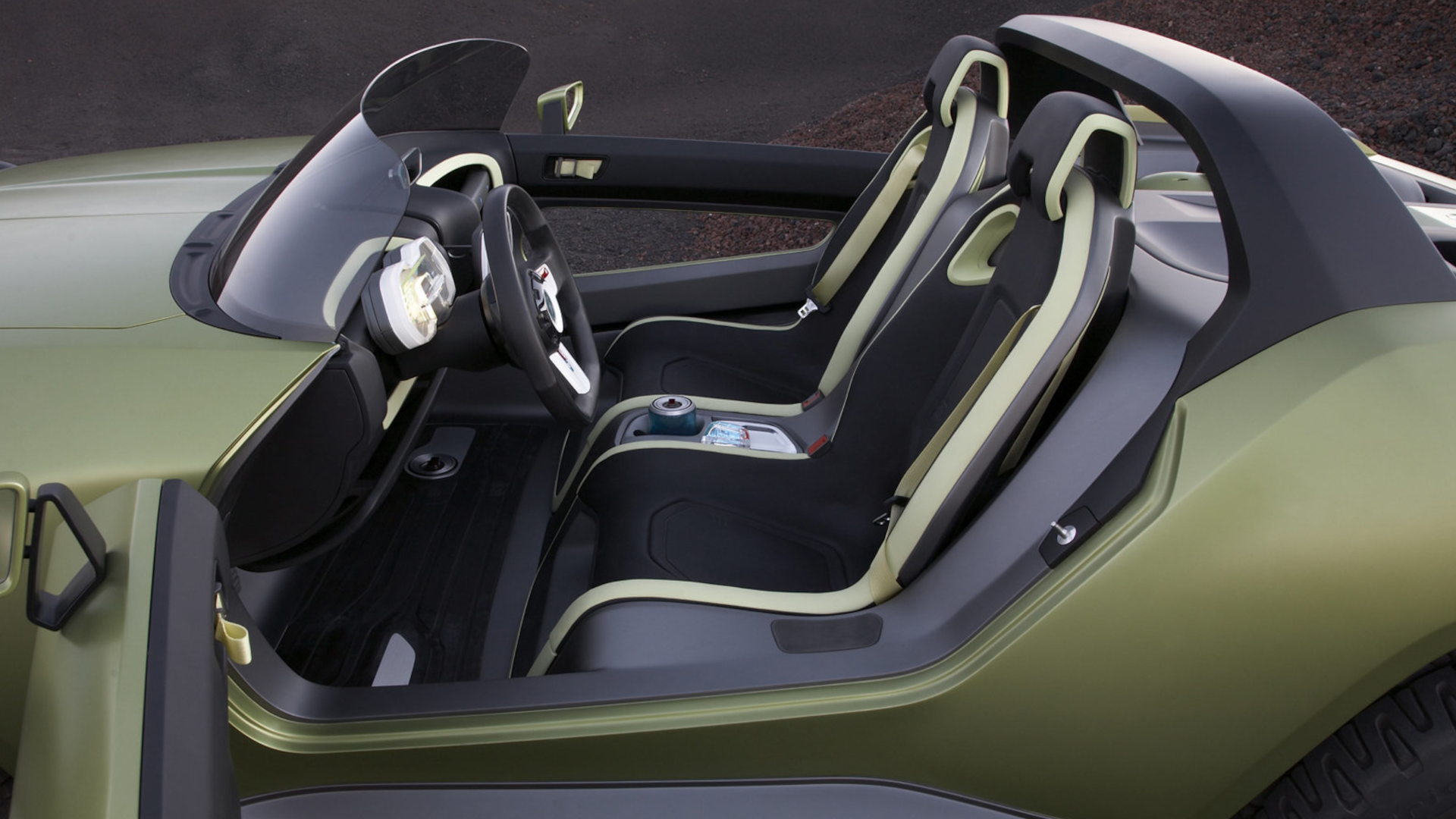
Alongside making the Renegade eye-catching aesthetically, Jeep also wanted to ensure it reflected the company’s approach to making its vehicles more sustainable. The Renegade Concept was built with a range of renewed materials, as well as a powertrain that meant it was extremely efficient. As well as being designed to care for the environment, the cabin fixings were developed to be fully weatherproof, meaning it could last long-term and would not need replacing, (which would require more materials to be utilized). The fully wireless cabin, made possible by using self-contained electrical units rather than exposed wiring looms, featured in the Renegade could be completely hosed down when required, with a useful drain in the floor allowing water to drain away.
This was needed as the Renegade wasn’t designed with a roof, though the cabin area behind the seats could be covered by a range of tops, which were developed to house different equipment pertaining to different outdoor activities such as biking, kayaking, and hiking.
The Renegade Concept Used Technology That Would Soon Make It To Market

Rather than use V6 or V8 powerplants commonly found in Jeeps at the time, the Renegade Concept was designed to use a hybrid powertrain that helped save fuel and preserve the environment as much as possible. The vehicle was equipped with a pair of electric motors that produced a formidable 268 hp each, adding up to well north of 500 hp with the two combined. A single battery powered them, though it only produced enough juice to get the Renegade 40 miles down the road. To boost its range, a small 1.5-liter diesel engine fired up once the batteries went flat to help charge them up again.
|
2008 Jeep Renegade Concept |
|
|---|---|
|
Powertrain |
Dual-electric motor, with 1.5-liter I3 generator unit |
|
Transmission |
Automatic |
|
Power |
651 hp (combined) |
|
Torque |
N/A |
|
Range |
40 miles (EV only), 400 miles (with range extender active) |
While also adding another 115 hp to the combined power output, the engine meant the Renegade Concept could manage a theoretical range of 400 miles. This total was further helped by a regenerative braking setup that changed kinetic energy produced by braking into extra power to be put back into the battery, a system that meant the vehicle could manage up to 110 MPG on a run.
The Renegade Concept Could Protect The Environment, But Wreck It At The Same Time

Despite the Renegade being developed to pump as few emissions into the air as possible, its four-wheel-drive setup – equipped with locking differentials and a low range mode – meant it could attack the wilderness as effectively as its Jeep siblings. The extra grunt and low weight – achieved by using an aluminum chassis – alongside the off-road technology, would have ensured it was very good at bending the environment to its will.
The Renegade’s Cabin Was Full Of Recycled Materials

Jeep’s focus on making the Renegade Concept sustainable was most visible on the inside, given that most of the vehicle’s interior was made from repurposed materials. Soy-based foam was used to construct the seats and doors, while the instrument panels and chassis were created as one piece, which allowed the brand to avoid using harmful resins usually needed to bond different components together. The Renegade didn’t even feature an external paint job, with its “at-one-with-nature” green coloring molded directly into the composite body to prevent using paint, which features harmful solvents. This is a trend well and truly alive today, with materials like vegan leather becoming popular in recent years.
The vehicle’s HVAC system also worked without using any form of coolant-based solution which, like paint, comes with environmentally-harming materials. The Renegade was even equipped with a so-called “thermal cooler”, which could be used to heat or cool food on the go using the vehicle’s on-board battery pack. Had the Renegade ever been offered to the public, it would have been the ideal off-road weapon for gearheads wanting to preserve the world around them as much as possible.
The Renegade Eventually Made It Into Production, But In A Very Different Form
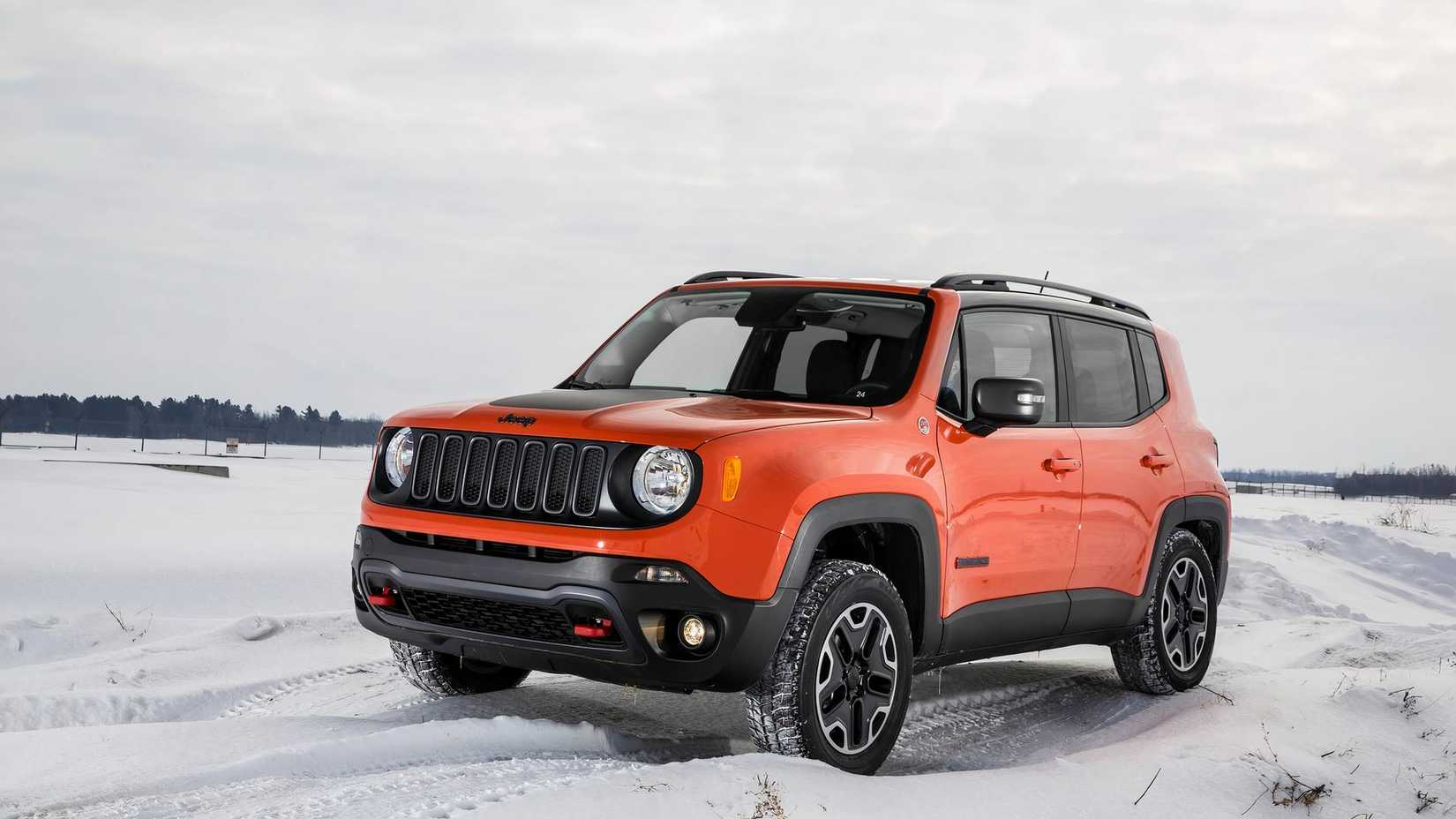
While the striking concept Renegade was never meant for production, a Renegade eventually made it to market in 2014, but now as a subcompact crossover soft-roader. It slotted in below the Compass as the smallest Jeep you could buy when it made its debut, with the vehicle available in either front or four-wheel-drive configuration. Having been designed as a frugal and practical family vehicle, it was offered with a range of inline-four engines for the US market.
|
2014 Jeep Renegade |
|
|---|---|
|
Engine |
1.4-liter turbocharged I4, 2.4-liter NA I4 |
|
Transmission |
9-Speed Automatic, 6-Speed Manual |
|
Power |
160-180 hp |
|
Torque |
175-184 lb-ft |
These consisted of a small turbocharged 1.4-liter Fiat unit that produced 160 hp, as well as a naturally aspirated 2.4-liter engine making 180 hp. It may not have been as hardcore as its concept forerunner, but the 2014 Renegade equipped with 4WD and a Power Transfer Unit – which sent power to whichever wheels needed it most – could get the job done if its driver needed to deal with a bit of light off-roading.
The Renegade Was Killed By A Lack Of Demand
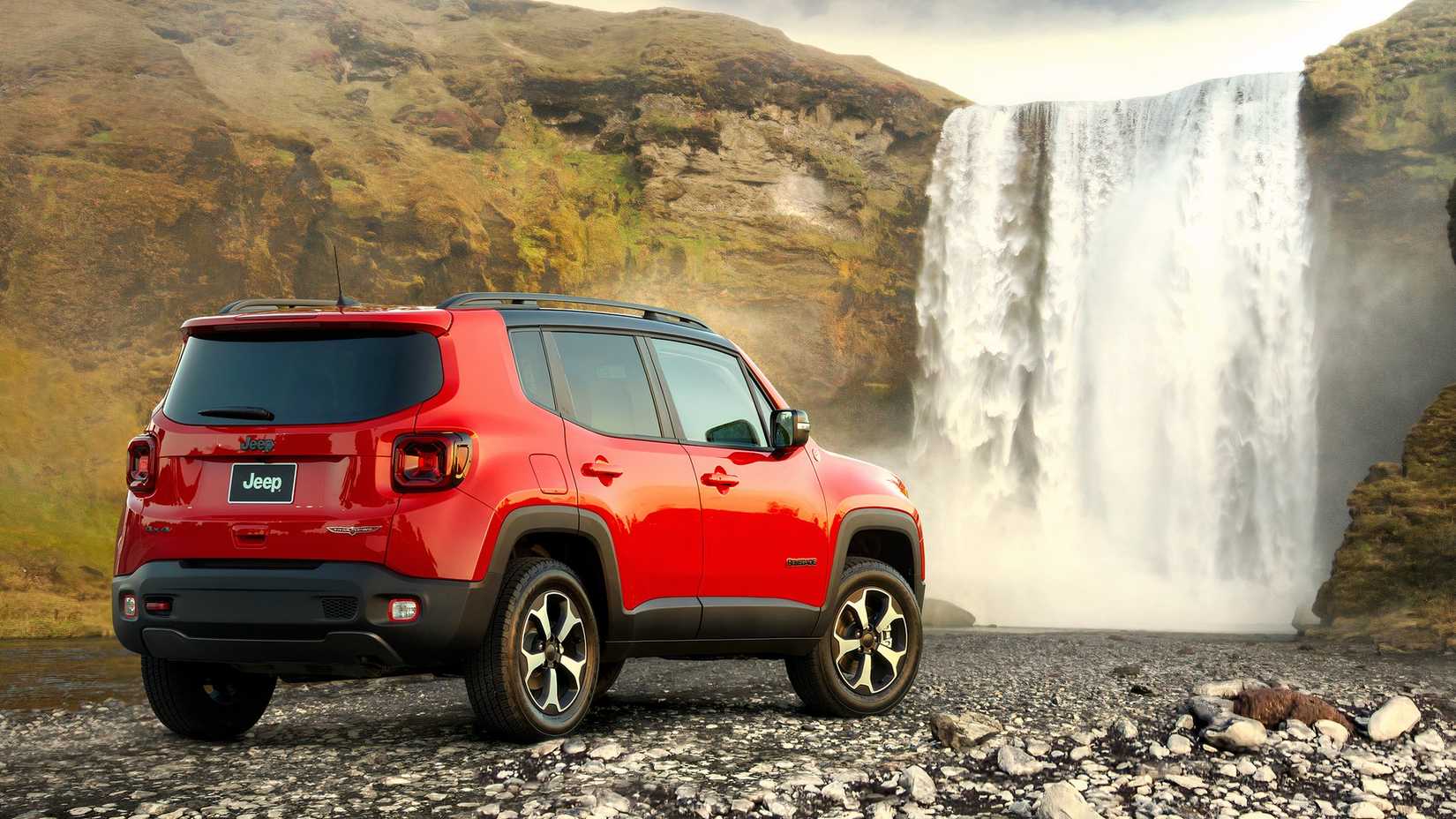
The model was eventually discontinued following the 2023 model year across most of the globe, including the US and Canada, as sales fell away. It continues to be produced for the Mexican market, meaning the Renegade name will live on for a little longer. The vehicle hasn’t been directly replaced for the US market, meaning the Compass is now the smallest conventional Jeep SUV you can buy.
Sources: Jeep, Stellantis.