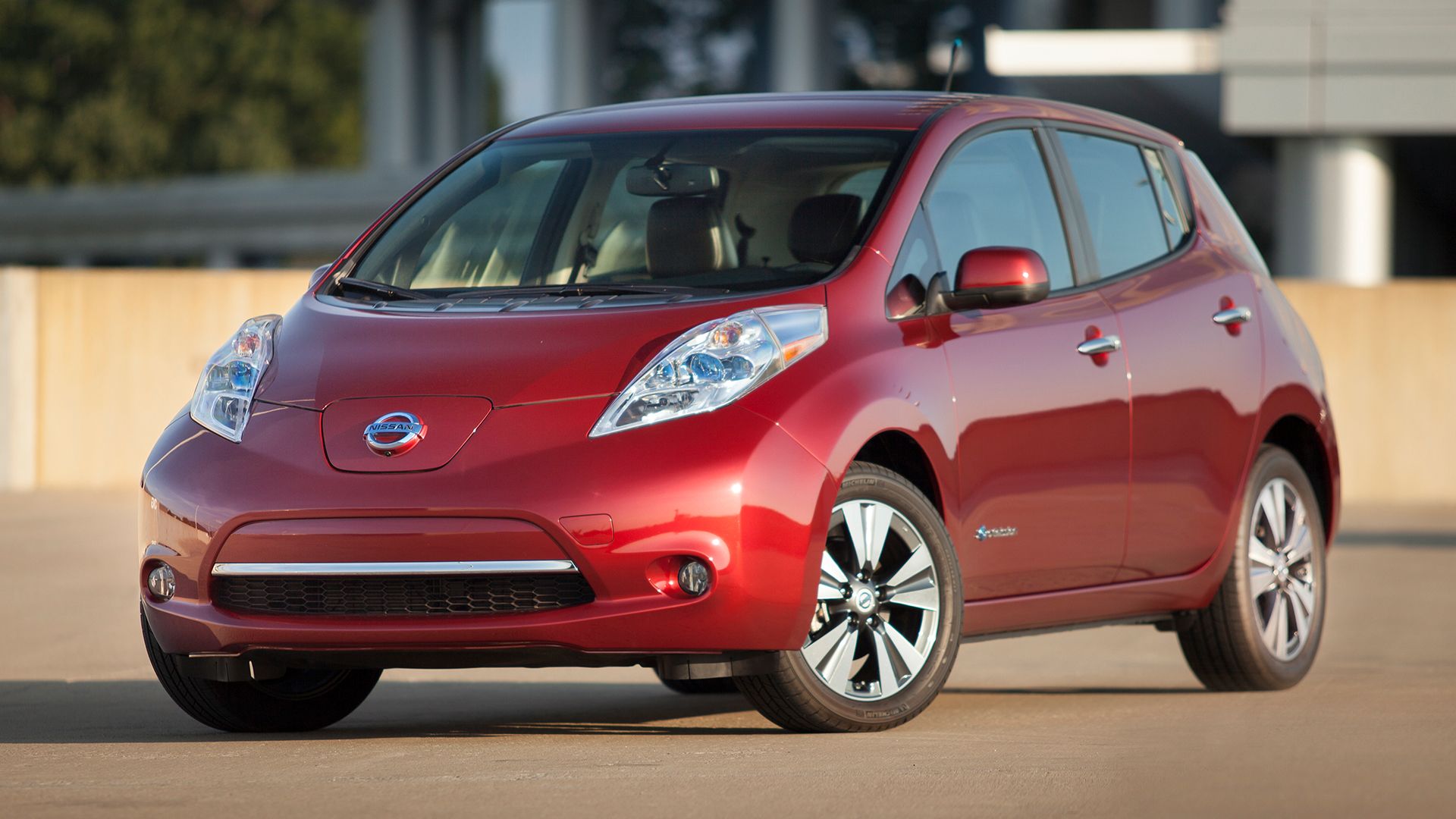
The Nissan Leaf is an all-electric vehicle that has pioneered electric mobility for the mass market since its global debut in 2010. As one of the world’s best-selling electric cars, it has undergone significant changes across two generations, shaping its status as a popular choice for eco-conscious drivers on a budget. Launched for the 2011 model year in North America, the first-gen Leaf models were in production from 2010 to 2017, and it introduced consumers to affordable electric vehicles, albeit with a modest range and basic EV technology. It showcased Nissan’s commitment to offering zero-emission vehicles at a time when EVs were not as mainstream.
The second-generation Leaf was introduced in 2018 and has been renewed for 2025. It brought an improved range, a sportier design, and more advanced technology. Nissan’s Leaf represents an evolutionary journey from a basic electric vehicle to a more sophisticated and range-competitive option, helping the masses transition from internal combustion engines to electric powertrains. Let’s dive into the Nissan Leaf generations and discover everything you need to know.
Available Years
Leaf
- Segment
- Hatchback
- Base MSRP
- $28,140
2018-2025 Nissan Leaf 2nd Gen (ZE1)
Introduced in 2018, the second-generation Nissan Leaf (ZE1) represented a significant upgrade over its predecessor. The new Leaf not only improved in terms of performance and range but also introduced a fresh design, new technology, and new advanced features, making it a more appealing choice for a wider demographic of drivers.
A significant leap in this generation was the introduction of the Leaf Plus model, which came with a larger battery and motor setup, increasing the range dramatically to 212 miles. The Leaf Plus was designed to address the concerns over range anxiety, providing an option for drivers who needed more miles per charge. The second-generation Leaf came equipped with numerous advanced driver-assist systems and tech features, including Nissan’s e-Pedal technology, which allowed drivers to accelerate and brake using a single pedal, a feature designed to improve efficiency and driving ease in stop-and-go traffic.
The new, zero tailpipe emission Nissan LEAF embodies Nissan Intelligent Mobility, the company’s approach to changing the way cars are driven, powered and integrated into society.
The second-gen Leaf underwent a facelift in 2023, which modernized its exterior and enhanced the car’s overall appeal. The updates included:
- Restyled front bumper and grille: This gave the Leaf a more aggressive look in line with Nissan’s current design language, with sleeker LED headlights and a more aerodynamic front fascia.
- New wheel designs: The facelift introduced new alloy wheel designs that complemented the vehicle’s sportier look.
Prior to the 2023 facelift, the second-gen Leaf was also often upgraded with new features. These included larger touchscreen displays and newly standard driver-assistance features for the 2020 model year.
|
Powertrain |
Transmission |
Drivetrain |
|---|---|---|
|
110-hp electric motor (40-kWh battery) |
Single-speed automatic |
Front-Wheel Drive |
|
214-hp electric motor (60-kWh battery) |
Single-speed automatic |
Front-Wheel Drive |
Second-Generation Nissan Leaf Production Years
2025 Nissan Leaf Review
2024 Nissan Leaf Review
2023 Nissan Leaf Review
2022 Nissan Leaf Review
2021 Nissan Leaf Review
2020 Nissan Leaf Review
2019 Nissan Leaf Review
2018 Nissan Leaf Review

Add CarBuzz to your Google News feed.

Related
2025 Nissan Leaf Leads The EV Field In One Very Important Area
Although it may be old, the Nissan Leaf offers strong value for money in the EV segment.
2011-2017 Nissan Leaf 1st Gen (ZE0)
The first-generation of the Nissan Leaf, launched for the 2011 model year, was a trailblazer in the electric vehicle segment. As one of the first mass-market electric vehicles, the Leaf aimed to introduce everyday drivers to the benefits of an all-electric lifestyle without the need for premium price tags. The early Nissan Leaf model years were positioned as a practical EV for urban commuters, offering a modest range and an affordable price. Despite its limited range compared to later models, the first-generation Leaf was packed with innovative features for its time. Notably, it featured Nissan’s Carwings telematics system, which allowed owners to monitor their Leaf’s status remotely, check charge levels, and even pre-heat or pre-cool the cabin via a smartphone app.
The new LEAF’s dedicated EV body is designed to offer “smart fluidity” – a fusion of sophisticated aerodynamic management and aerodynamic acoustics with the freedom provided by the new EV layout. The smooth, elegant movement of the body starts from the low, compact hood, moves through the iconic shoulder character line and on toward the large rear spoiler.
The first-gen Leaf had a facelift for 2013, which brought several updates aimed at improving its practicality and customer appeal:
- Exterior changes: The 2013 facelift brought more aerodynamic improvements designed to reduce drag and enhance efficiency. New wheel designs were also introduced to complement the refreshed look.
- Interior: Changes to the interior of the 2013 model included leather seats for the SL, a new black interior color scheme, and new optional packages.
- Charger enhancements: A key update in 2013 was the introduction of a faster onboard charger, which reduced charging time by nearly half, addressing one of the main concerns about early EV adoption.
The Leaf also benefited from incremental range improvements during this period. Initially, the Leaf came with a tiny 24-kWh battery offering 73 miles of range; these numbers would be unacceptable by today’s standards. By 2016, Nissan introduced a 30-kWh battery, boosting the range to 107 miles.
|
Powertrain |
Transmission |
Drivetrain |
|---|---|---|
|
107-hp electric motor (24-kWh battery) |
Single-speed automatic |
Front-Wheel Drive |
|
107-hp electric motor (30-kWh battery) |
Single-speed automatic |
Front-Wheel Drive |
First-Generation Nissan Leaf Production Years
2017 Nissan Leaf Review
2016 Nissan Leaf Review
2015 Nissan Leaf Review
2014 Nissan Leaf Review
2013 Nissan Leaf Review
2012 Nissan Leaf Review
2011 Nissan Leaf Review

Related
Need a New Nissan Leaf Battery? That’ll be $6,500
Thank you, and have a nice day (suckers).
Conclusion: Leaf Was An Important Step Forward For EVs
The Nissan Leaf is more than just an electric vehicle; it is a symbol of the automotive industry’s shift toward sustainable energy solutions. From the modest range and basic tech of the first generation to the vastly improved second generation with longer range, advanced technology, and enhanced design, the Leaf has proven itself as a capable and affordable EV. It also helped pave the way for the Ariya, Nissan’s much newer and more advanced compact EV.
With the introduction of models like the Leaf Plus, which caters to drivers who require longer range, Nissan has successfully adapted the Leaf to the evolving needs of the electric vehicle market. The Leaf’s continued relevance in an increasingly competitive EV landscape shows Nissan’s commitment to affordable electric mobility, making it one of the most successful and enduring electric vehicles in history.