
Rigid and hdi board
Rigid PCBs use a traditional green solder mask and are used in consumer electronics, automotive camera modules, and in-vehicle networking. Flex circuits on the other hand can withstand vibration and fit into tight spaces, making them ideal for wearables, aerospace systems, and portable electronic devices. The combination of rigid and flex circuit boards in one package can reduce the size of a product by half and increase its reliability and functionality. However, there are a number of issues to consider when designing a hybrid rigid-flex PCB. This article will discuss the difference between rigid and flex PCBs, and the role of each in the overall design.
The most important thing to know about a hybrid rigid-flex board is that it requires special attention and specialized manufacturing techniques to produce a reliable product. Fabricators laminate alternating layers of copper and insulating polyimide to create the circuit boards. The copper pattern must be carefully designed to ensure high-yield production and durability, and the insulating polyimide must be designed to shrink and etch properly during manufacturing.
To minimize the risks associated with dynamic rigid-flex transitions, designers must use wide radius curves and reinforcing layers at bends. They must also avoid high-aspect ratio filled microvias that are prone to cracking under flexing and drilling. Additionally, they must plan for redundancy by spreading traces across multiple layers to reduce the risk of open circuits. The design process for these types of hybrid boards is also more complex, and they must consider the thermal expansion and contraction of the insulating layer.
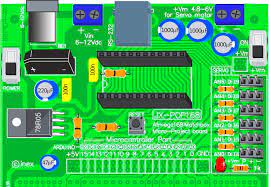
The Difference Between Rigid and hdi board
Unlike standard hdi board, rigid-flex PCBs have a thick insulating layer and a solid copper core. As a result, they are more durable and can withstand higher flex cycles and bending radii. However, these advantages come with additional costs, as the specialized fabrication and assembly processes are more expensive than traditional rigid PCBs.
Rigid-flex PCBs are an excellent choice for rugged applications where the circuit boards must withstand vibration, bending, and folding. These devices include medical equipment, automotive cameras and displays, smart glasses, and laptops. Rigid-flex PCBs can eliminate the need for connectors, which save space and weight while improving installation efficiency and reliability.
The conductive patterns on rigid-flex circuits are more sophisticated than rigid PCBs and require tighter tolerances to withstand the dynamic bending and flexing of these devices. The increased density of traces and buried microvias allow higher speeds and more signal integrity, while the thinner dielectric layers reduce the thickness and weight compared to traditional rigid PCBs. These characteristics make rigid-flex PCBs a great option for rugged applications, but they must be designed with care to prevent failure and meet the necessary design standards. For more information about rigid-flex PCBs, check out our comprehensive guide.


