The Range Rover has crafted a hardened reputation for being one of the best multipurpose SUVs in the world since it made its debut in 1970. The British behemoth became one of the first true SUVs when it was released, as it combined off-road ruggedness with a plush cabin that could keep its occupants effortlessly comfortable when cruising on normal roads.
Land Rover
- Founded
-
1948
- Founder
-
Rover Company
- Headquarters
-
Coventry, United Kingdom
- Owned By
-
Jaguar Land Rover (JLR)
- Current CEO
-
Adrian Mardell
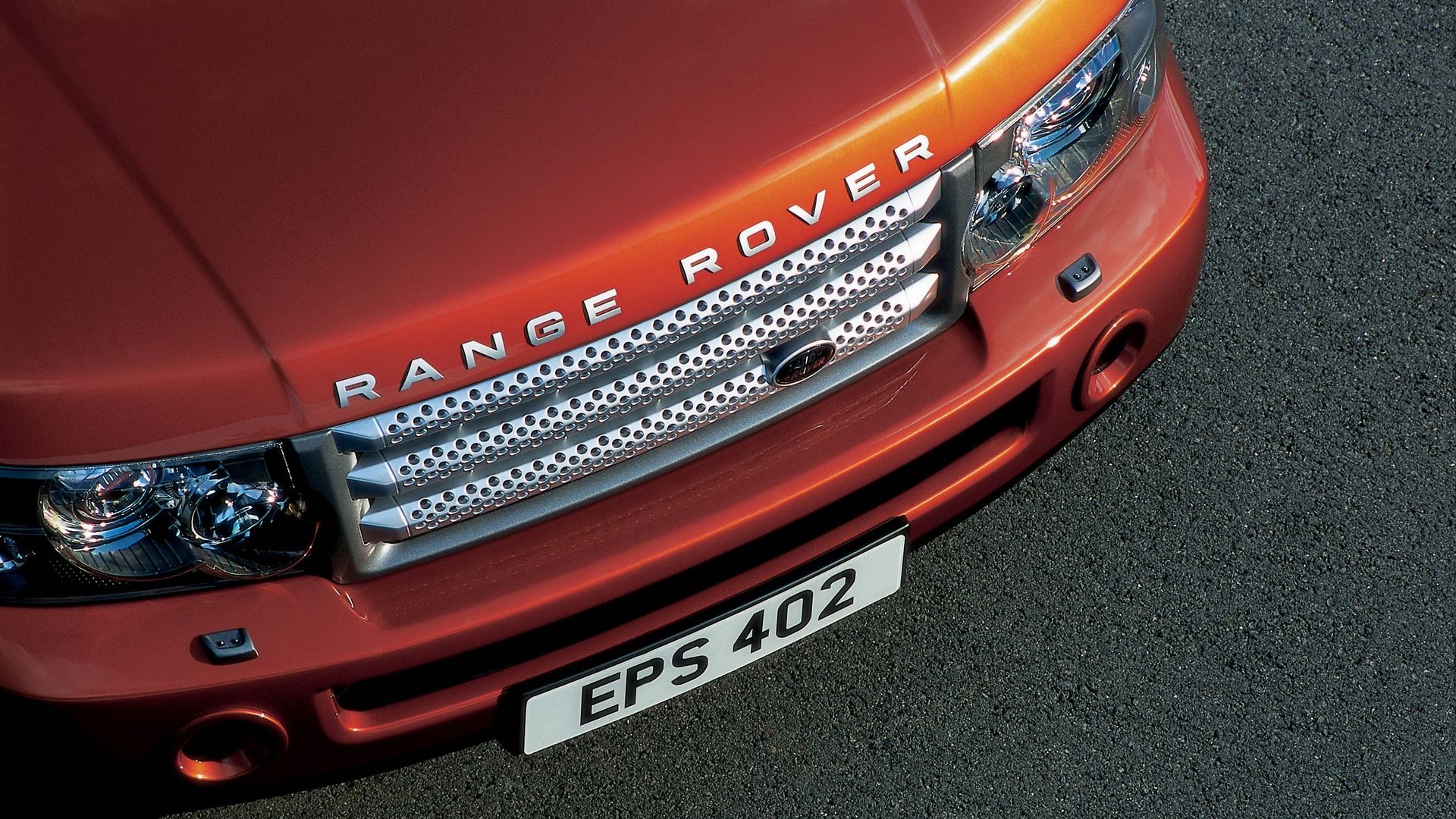
It was never the sportiest of vehicles as a result, though this changed when Land Rover unveiled the Range Rover Sport in 2005. Combining the standard versions’ off-road ability and interior plushness with the handling of a GT car, the Sport was designed for those who enjoyed driving. Two decades on from its introduction, used versions can now be had for peanuts.
The Range Rover Sport Offers A More Involving Drive Than The Standard Model
The Range Rover Sport was developed as a response to a swathe of SUVs that arrived in the early 2000s that offered more thrilling and engaging driving experiences than the usual luxury-focused offerings. Models like the BMW X5, Mercedes-Benz ML 55 AMG, and Porsche Cayenne twinned a sporty platform with the usual refinement and practicality benefits offered by an SUV, and Land Rover wanted to get in on the act.
Wanting to make the Sport feel like a true high-rising GT car, Land Rover elected not to use the foundations of the normal Range Rover. It instead started with the new integrated bodyframe, semi-monocoque platform developed for the Land Rover Discovery 3, as opposed to the full monocoque used by the normal Range Rover. This allows for forces around the car to be more evenly distributed, which helped Land Rover design the Sport so it could spread its weight more evenly between the wheels. To ensure the Sport offered a sprightlier drive, the wheelbase was shortened by six inches when compared to the Discovery 3.
The Sport Wasn’t As Practical As The Daddy, But Has Proven Successful
While the Sport was more fun to chuck around than the normal Range Rover, buyers did have to give away some practicality. It only offered seating for five (rather than seven), while the handy split tailgate found on the normal car was ditched in favor of a traditional one-piece hatchback tailgate. These elements didn’t hinder it too badly though, as Land Rover managed to shift over 410,000 of the first-gen Sport before it was replaced by the second-gen variant in 2013.

Discussion
Discussion: Is the average Land Rover SUV reliable?
As with any brand or model, reliability differs from one variant to the next. For example, the first Land Rover Freelander has a poor reputation for reliability, but older Defenders can last for many, many miles. In early 2024, Consumer Reports rated Land Rover below every other brand besides Jeep, based on factors like owner satisfaction. Overall, Land Rover still doesn’t have a reliability record that’s anywhere close to the likes of Toyota and Lexus, so you should be prepared for high running costs.
High Depreciation Means Early Examples Are A Steal These Days
Most high-end luxury vehicles suffer from crippling depreciation, and the Range Rover Sport is no different. Entry-level HSE Sport models that came with a naturally aspirated 4.4-liter V8 started at a little over $56,000, while the more powerful supercharged 4.2-liter V8 variant would have set its owner back just shy of $70,000 in 2006. Kelley Blue Book (KBB) reports that both variants can be had for less than $5,000 on the used market in 2025, though these earlier cars will also come with high mileage.

Related
Range Rover’s Latest SUVs Have A Dangerous Fault
It’s the most basic of safety features that’s proved to be a problem.
There are several models offered on AutoTempest at this price range, with the lowest-mileage example showing just under 128,000 miles on the clock. Priced at $4,995 and sold via TrueCar, the white 2010 specimen is presented in tidy condition, though it has been involved in a couple of accidents in its life. The vehicle looks to have been repaired professionally, though this is the main reason for the relatively low price compared to cleaner examples with higher mileage.
Facelifted Cars Are Also Very Affordable
If you can, opting for the facelifted first-gen Sport, which debuted in 2010, is the way to go. Aside from the revised exterior and interior design, it also comes with a new and more efficient 5.0-liter V8 engine, which comes in naturally aspirated and supercharged forms. The engine also featured in Jaguar’s F-Pace SVR SUV. KBB reports that early 2010 models can be had for under $7,000, only a few grand less than the early pre-facelift examples. Final-year 2013 Sports will set you back closer to $10,000, which is still a bargain, bearing in mind the level of comfort, off-road ruggedness and sporting pretensions the model offers.
The Sport Is More Dependable Than You May Think
While products offered by Land Rover tend to get labeled with an unfavorable reputation when it comes to reliability, the first-gen Range Rover Sport is pretty stout in this regard. The range of V8s has proven tough over the years, and suffers from no common weaknesses. Just make sure the water pump has been replaced on time, otherwise you could be left with a bill for a new motor should you not act quickly enough when it overheats.
|
2006-2013 Range Rover Sport Reliability |
|
|---|---|
|
RepairPal Yearly Maintenance |
$862 |
|
KBB Reliability Rating |
4.5/5 stars |
|
Common Issues |
|
The main things to look out for are more electrical in nature, so be sure to check every cabin gizmo thoroughly to ensure you won’t need to carry out any costly electrical repairs. The parking brake can also be a weak point on the Sport, as a faulty parking brake cable can cause either a screeching noise or refuse to release the brake completely, making it tough to move the vehicle. Its solid reliability record is reflected by RepairPal, which reports that you only need to spend around $862 a year to keep it running sweet. This is lower than the likes of the similarly aged X5 and ML models, as well as the Cayenne.

Related
This Range Rover Restomod Stands Out With Fun Features
Don’t be fooled by the restrained exterior.
The Range Rover Sport’s Underpinnings Allow It To Tame The Road
Aside from its semi-monocoque construction, the Range Rover Sport also has some other treats that help it to handle more like a GT car than its SUV silhouette suggests. Its all-around air suspension setup works with the vehicle’s Dynamic Response system, standard on the Supercharged model and optional on the others, which can sense the cornering forces being subjected to the car, and then alter the suspension stiffness to reduce body roll and improve cornering. A new variable ratio steering setup was also introduced for the Sport, which quickened it up at lower speeds before making it slower at high speeds to improve stability.
|
2006-2013 Range Rover Sport |
|
|---|---|
|
Engine |
4.2-5.0L NA/supercharged V8 |
|
Transmission |
6-speed automatic, 8-speed automatic |
|
Power |
299-510 hp |
|
Torque |
313-461 lb-ft |
|
0-60 mph |
5.9-8.2 seconds |
|
Used Values |
$4,176-$11,640 |
Most of the Sports body panels were also crafted from aluminum to help not only keep its curb weight down, but also keep its center of gravity as low as possible. It was also graced with a commanding Brembo disc braking setup, which helps bring the beast to a stop quickly and efficiently.

Related
Range Rover Sport SV Edition Two Is Here To Challenge The Ultra-Luxury Elite
The special edition can be dressed up in one of four different themes.
The Range Of V8s Bring Pace And Noise
When it comes to the engines available, you’ll be better off opting for the Supercharged range. They offer considerably more power than the naturally aspirated units, but aren’t that much less efficient and won’t cost you too much more on the used market. As an example, while the 4.2-liter supercharged V8 offers up 390 hp and 405 lb-ft of torque, the NA 4.4-liter engine only brings 299 hp and 313 lb-ft of torque to the party. It’s the same story for the later 5.0-liter engines, with the NAs’ 375 hp paling in comparison to the supercharged units’ 510 hp.
Whichever version you opt for, the Range Rover Sport will provide you with a practical and plush SUV, which can also give you a thrill if you fancy having a B-road blast. For those who prioritize putting their SUV to work though, the more practical and rugged normal Range Rover is the better bet.
Sources: Land Rover.