Where does our fascination with supercars really stem from? They’re diabolical and dream-like at the same time; the automotive equivalents of adult pin-up posters: racy, sexy, irrational, irresistible. And just that little bit intimidating.
To understand why, you need to look no further than the 930-series Porsche 911 Turbo and its subsequent associates – such as the Ferrari F40 and McLaren F1 (and others) to appreciate the concept of the widowmaker. First on the list was monster power from a rear- or mid-mounted power, typically mounted over and behind the rear axle. Excluding the naturally-aspirated linearity of the F1 and Lamborghini V12s of the time, turbo lag was thought of as a bear-poking light switch – all or nothing. With zero regard for the angle the front wheels were pointing at once that hammerblow of torque was delivered.
Secondly, mid- or rear-engine cars provide superior traction and balance on track, but in the real world and untrained hands, that delicacy was easily (sometimes fatally) over-egged into hero-to-zero-like handfuls of oversteer.
Power steering was unheard of and get this – neither were traction, stability control nor even anti-lock brakes on offer. This willful lack of sophistication, while praised by some for its granular purity, turned supercars into swans. Meaning to say they were hopelessly inelegant outside their natural environment of the autobahn; cumbersome to park or drive slowly with heavy clutches, muscle-maiming steering and woeful all-round vision. Only at three-digit speeds did they find their stride.
Huge respect.
So why don’t we feel the same way about them today? Clearly, over the past two decades there has been a noticeable disturbance in the Force. That’s because although supercars are now faster than ever, they can be driven daily by anyone; anywhere and any time of the year.
Dead drivers can’t buy cars and now they no longer have to, because evolution and technology has taken the sting out of speeding in your supercar. Here’s how.

Related
Honda Built The World’s First Daily Supercar
In the early 1990s, the manufacturer of some of the most dependable vehicles ever made decided to offer the first everyday supercar.
1
Driver Aids
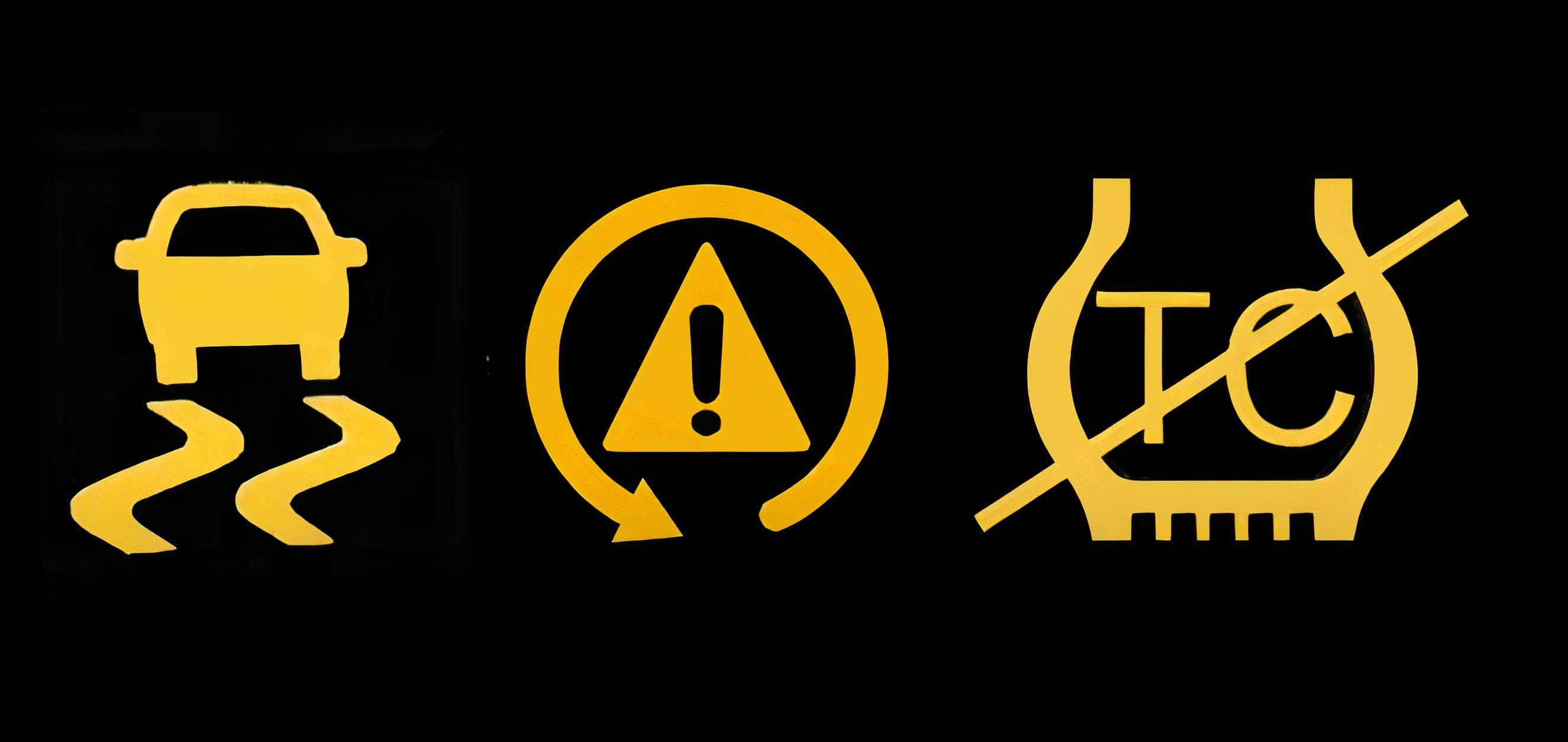
Porsche et al didn’t refuse to fit the petrifying original 911 Turbo with driver aids to save costs or because they deemed would-be customers as capable enough pilots that could do without them. Rather, these didn’t exist, as the technology hadn’t been invented yet. Or were still in their infancy.
Initially, traction (1980s) and stability control (1990s) were developed independently of one another. As engine control units (ECUs) became smarter and assigned with ever-more duties owing to their increased cross-function capability, the supercar segment in particular benefited from the integration of traction, stability and suspension maps that – at the press of a button – either removed their fangs or tugged their tails.
When combined with dynamic torque vectoring, ECUs no longer allow supercar drivers to fear physics owing to ludicrous throttle application or uncontrollable weight transfer. Instead, they now help them test the limits.
2
Automatic Transmissions
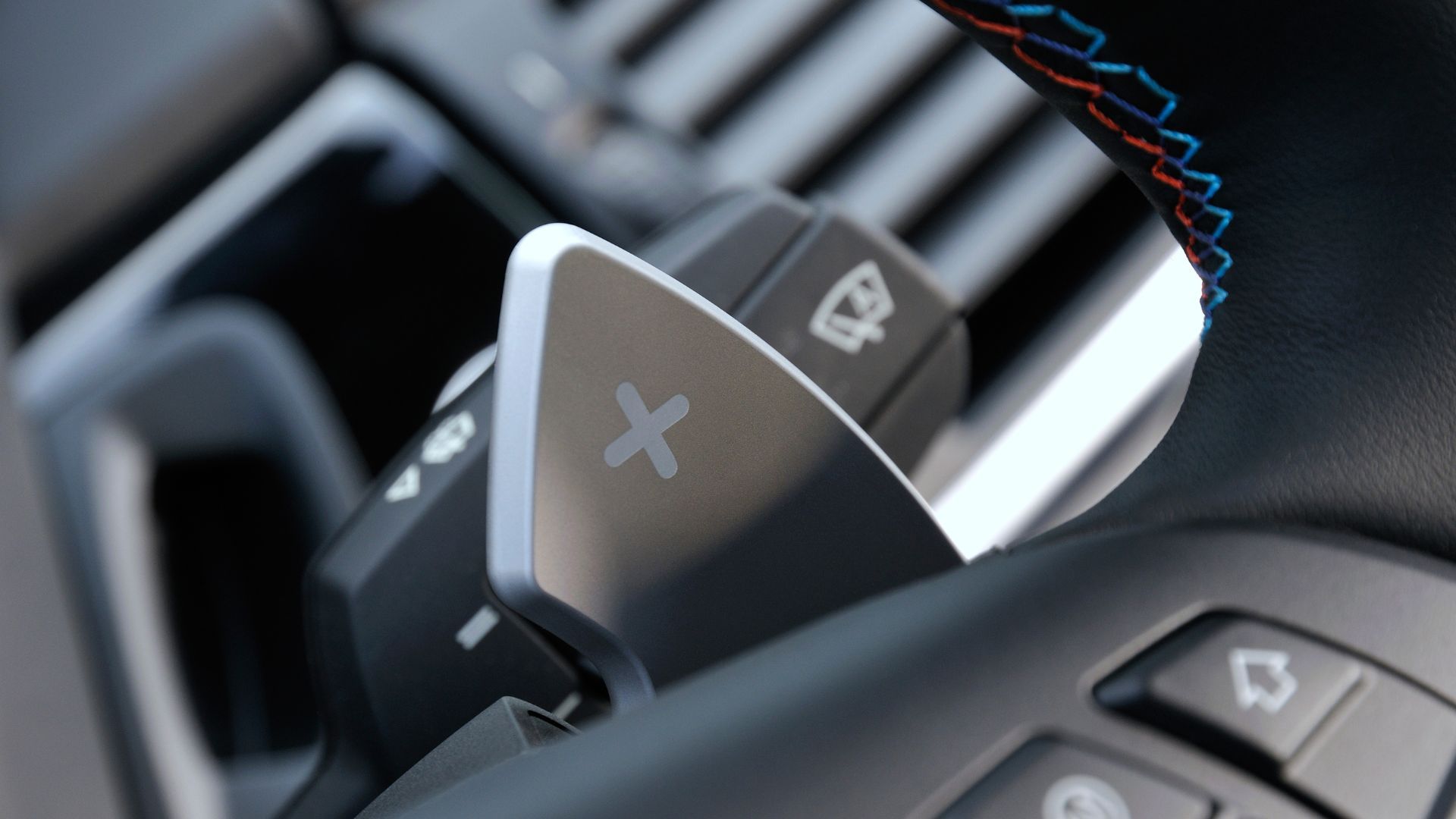
Unquestionably, the single greatest evolutionary progression in the DNA of supercars, has been the proliferation and maturation of the automatic gearbox, along with paddle shift gear changing. Traditionalists may have scoffed at the concept of clutchless fingertip shifting, but the concept’s near-vertical development curve and resulting legion of advantages rendered the conventional manual gearbox obsolete almost overnight.
For starters, low-speed maneuverability is no longer a bullfight. Then, once it’s time to start swopping cogs, dual-clutch transmissions (DCT) like Porsche’s PDK execute shifts faster than humans blink their eyes, enabling faster acceleration thanks to shorter off-throttle periods. (Even non-DCT gearboxes have become so adept that some manufacturers are abandoning the former.)
What’s more, in high-performance applications, shift maps are integrated into a range of driver-selectable driving modes that delay gearshifts in search of ultimate power or launching ability while minimizing the delays between gears – in some cases even at the cost of driver comfort, or conversely, in favor thereof when you’re in less of a hurry.

Related
Driven: 2023 Porsche 911 GT3 Is Sports Car Nirvana On Track
It doesn’t get better than this.
3
All-Wheel Drive (AWD)

The distribution of power to all four tires is a no-brainer. Because each tire gets to share the responsibility of putting the power down, hoofing the accelerator mid-corner now sees the car firing out of the apex pointing forward, instead of tail-first towards an impending accident scene.
What’s made AWD even cooler is that, apart from its primary implementation as a safety net, its associated merits also beget better performance from standing starts. Repeated near-perfect launches are executed by pressing a button, holding the brakes, flattening the gas pedal before heading for the horizon.
The skill negated by AWD required for executing record-breaking starts is regrettable, although its effectiveness is inarguable.
4
Adjustable Suspension
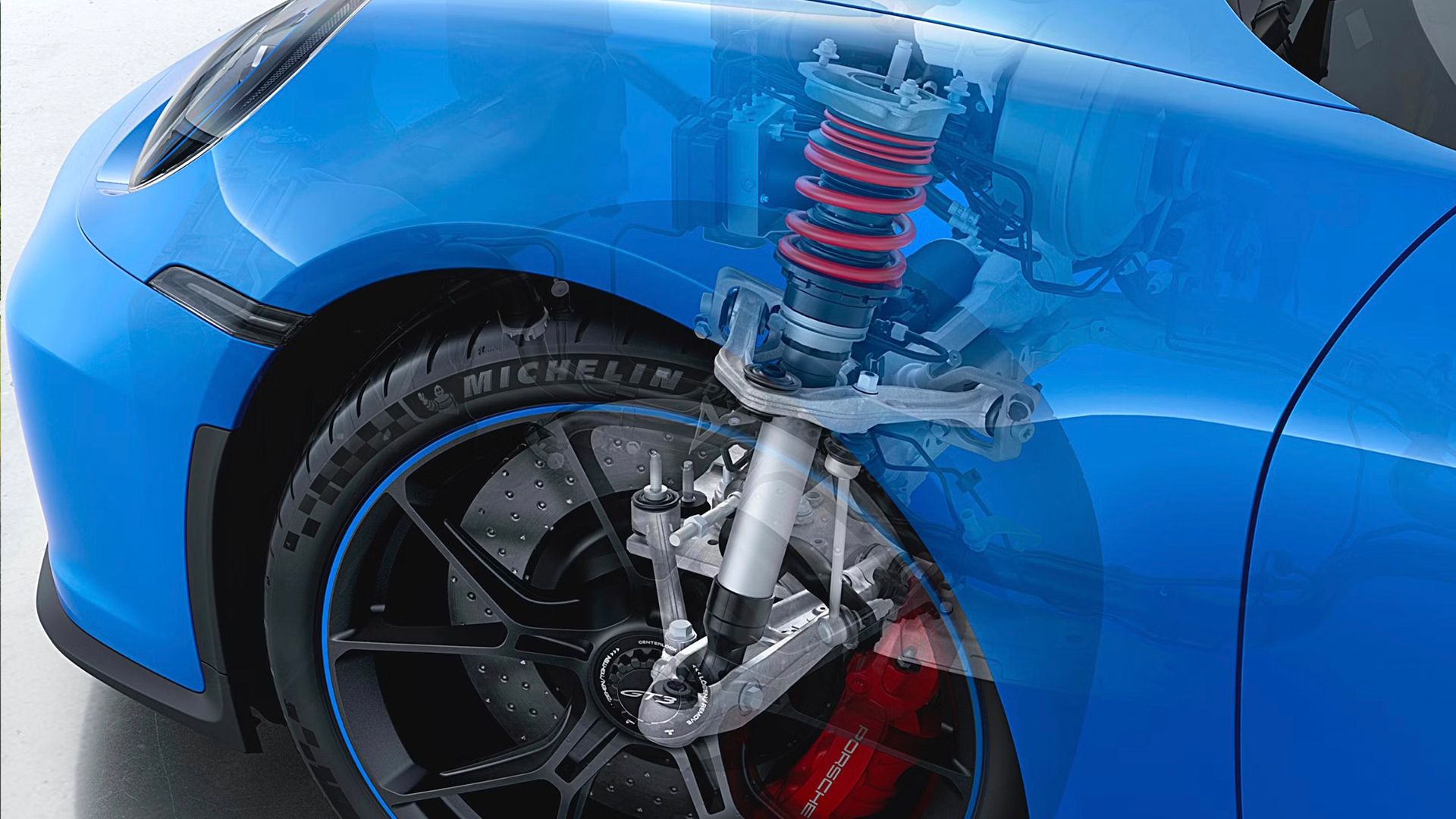
From BMWs to Bugattis, the inclusion of adaptive suspension has massively broadened the usability (and talent) envelope of high-performance cars. By comparison, many early supercars were effectively race cars for the road and no concession was made for comfort.
Modern adaptive suspension adds a reasonable degree of compliance (there are limits to the jolt-absorbing ability of the narrow shoulders of low-profile tires). Yet, while the extra pliability owed to more configurability is a welcome addition in the world of supercars, the spillover advantage is greater tuneability towards the performance side.
As suspension is a key performance differentiator, it’s no wonder that a track demon like the Porsche 911 GT3 RS comes fitted as standard with no fewer than six selectable suspension modes, of which just one is a comfort setting – and the most extreme one allows for individualized damper tuning.
5
Active Aerodynamics
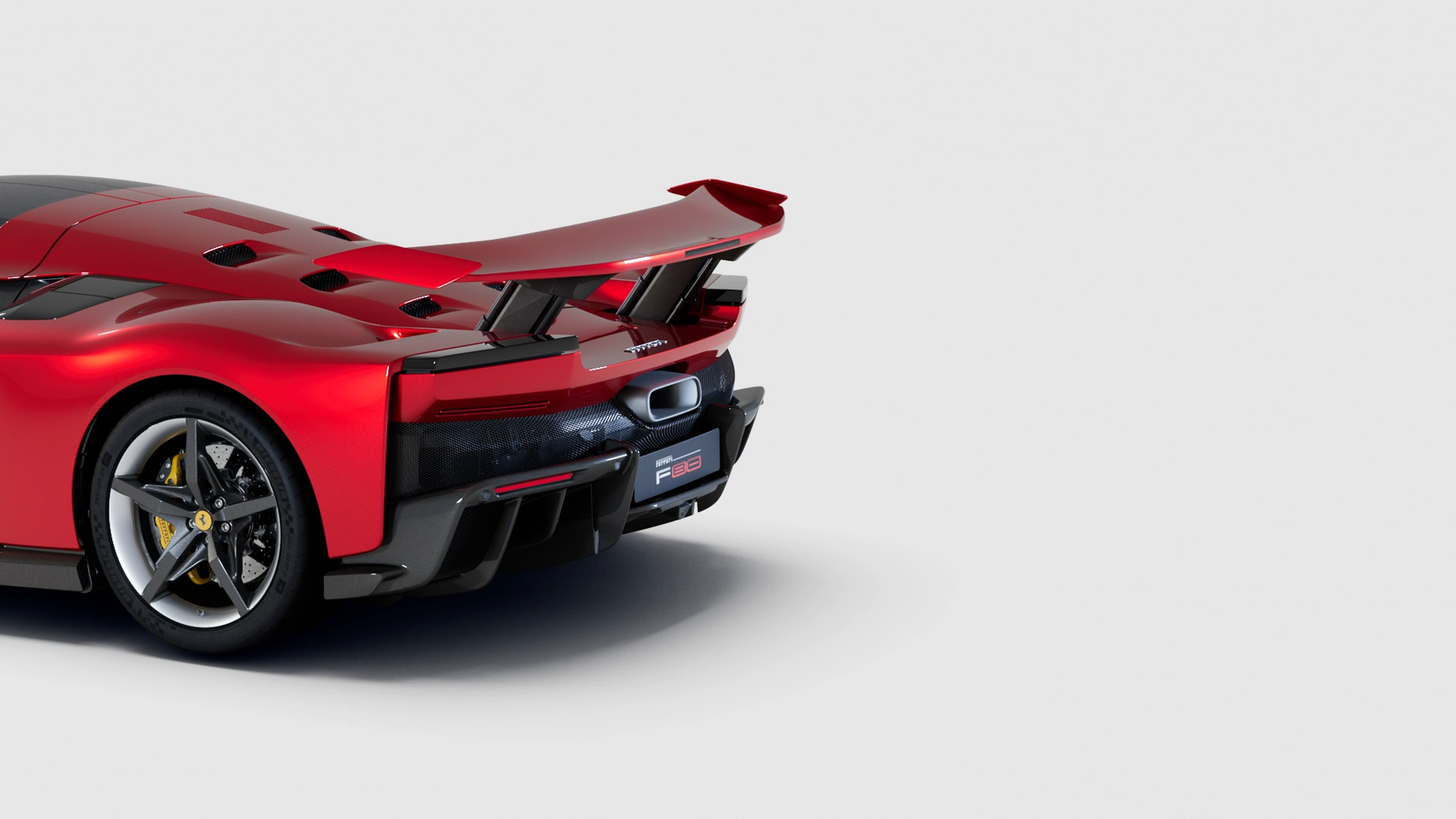
Much like alterable dampers, active aerodynamics serve to tailor a car’s behavior for specific circumstances. Yeah, they’re great on track when the body is hunkered down and the spoilers do their job of killing lift or pushing the body harder on to the suspension to keep the car planted.
Outside that environment, you really want the opposite.
Downforce increases drag and, by association, fuel consumption; while with a car’s wings retracted, it becomes no less city-friendly than a soccer mom’s runabout. A higher ground clearance is also most welcome in urban conditions (and which is why many supercars feature a lifting function) and negotiating those nasty speed bumps or off-street parking lot ramps.
6
Hybridization
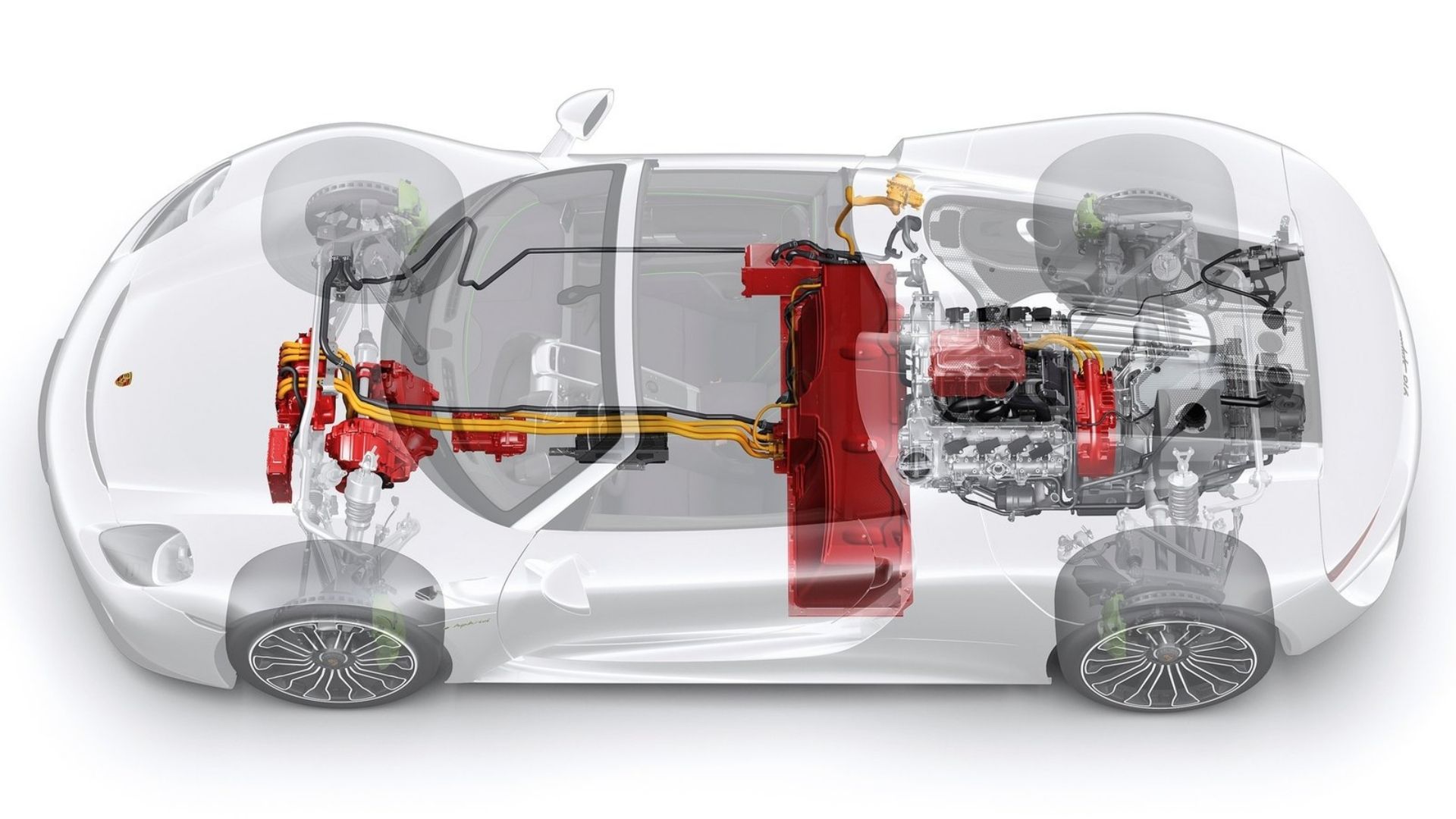
The concepts of supercars and fuel efficiency are forever mutually exclusive. That’s because the faster you go, the more fuel you use. Hybrid technology was never really considered either sexy or necessary enough to marry into the supercar concept, but that all changed with the introduction of the Porsche 918 Spyder and the Ferrari LaFerrari in 2013.
While hardly fitted to appease Greta Thunberg, the addition of a small electric motor and battery aids driveability by kicking in at pull-aways (thereby saving drivetrain wear) and boosts acceleration. So, by association, this EV arrangement also saves a little fuel.
However, what makes it different – and great – is that it serves to shave seconds off the stopwatch first – and save the planet second.
7
Forever Faster. And Now, Also Friendlier
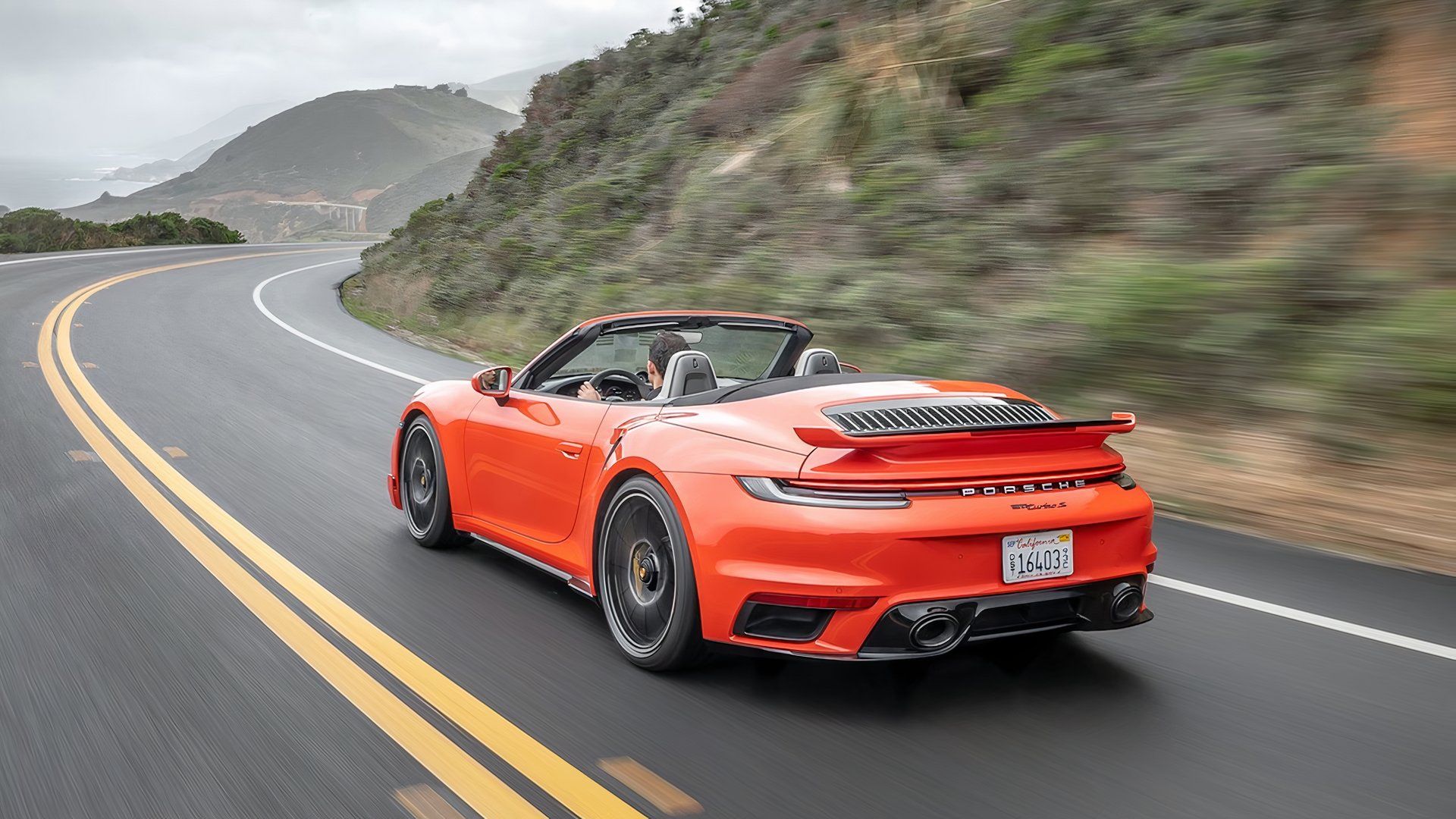
Yesteryear’s supercars are almost unrecognizable against their contemporary offspring. Crude and single-purposed, at the wrong place and time, they were like fish out of water. A second car was a must.
Today, you still want that 911 Turbo, just like in the 1980s. The only difference is you no longer need to wear neon clothes. Or buy a Golf, too, to enjoy the Porsche.
Sources: Hypercarrevolution.com, Motortrend.com, Supercars.net