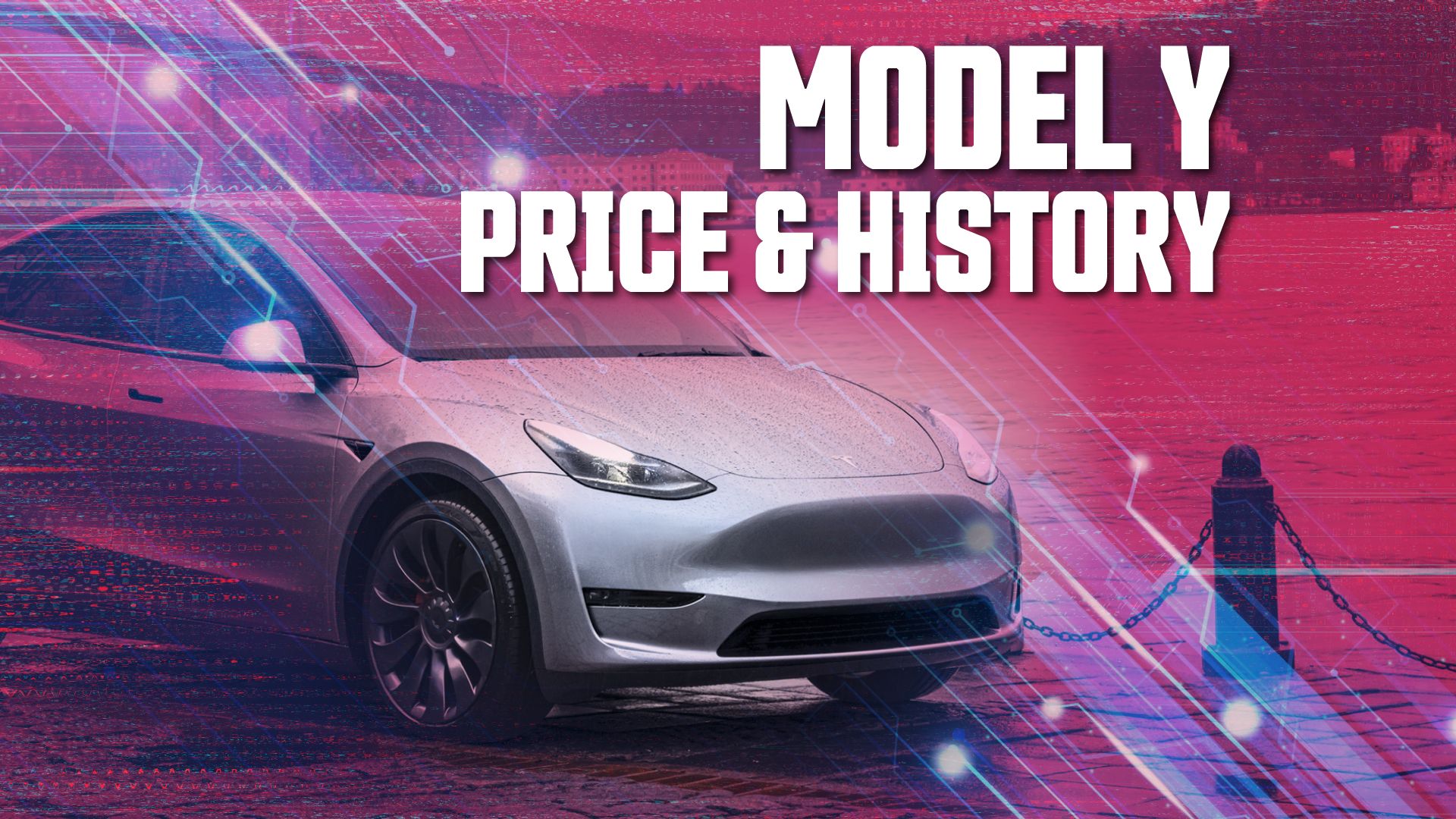

BMW and the straight-six engine have been inextricably linked, thanks in large part to the success of its high-performance M3 lineup. It’s a lineup that dates to the 1980s and has since gone on to include the M4 series.
BMW M4
- Model
- M4
- Base MSRP
- $79,100
Today, CarBuzz is looking at the BMW M4 engine, what makes it tick, and why it’s such a highly regarded powertrain. There’s a lot to love about this straight-six mill and a few reliability issues to be aware of, all of which are covered below.
26:09

Related
2023 BMW M4 xDrive Coupe: Full Walkaround And Deep Dive
The 2023 BMW M4 Coupe is now available with the company’s xDrive all-wheel-drive system, which drops the 0-60 mph time down to 3.4 seconds.
BMW M’s Love Affair With The Straight-Six
BMW’s M division has been hooked on straight-six power for the better part of 32 years. Though the original E30-generation M3 featured a four-cylinder engine, the second-gen E36 M3 came with a 3.0L inline-six and showed enthusiasts how special these engines can be.
For the following M3 series – the E46 that was produced from 2000 to 2006 – the output jumped from 240 to 333 horsepower. Then came the E90 M3 and its 4.0L V8. It would become the only time BMW fitted an eight-cylinder mill to this fabled M car, a mill that made 414 hp and screamed all the way up to 8,400 rpm.
Returning to its roots – sort of – in 2014, the fifth-gen F80 M3 landed with a 3.0L straight-six strapped with a pair of turbos. Along with the dramatic change from natural aspiration to forced induction, the German automaker introduced the M4. Up to this point, the M3 was offered in coupe, sedan, and convertible configurations. But as of 2014, the coupe and convertible fall under the M4 nameplate, while the sedan remains an M3.
The latest straight-six fitted to the M4 is the 3.0L twin-turbo S58. An evolution of the S55 from the prior generation, it is more powerful than ever and has reaffirmed BMW’s love affair with its famed inline-six powertrain.
First-Generation M4: Twin-Turbo S55 Introduced

When the BMW M4 and S55 engine debuted in 2014, enthusiasts went wild – with displeasure. Although the straight-six was back, it was coupled with a pair of turbochargers. After more than 25 years of naturally aspirated M cars, this was seen as a dilution of the brand. Simply adding turbos to increase performance was considered blasphemy by the diehard loyalists, who saw this move as besmirching the M3’s purity.
Not only that, when the M4 showed up, it effectively split the M3 brand in two. Like the addition of forced induction, this was something different and, like in so many parts of life, change can be hard. Seeming to salt the wound, BMW announced the use of augmented engine noise in their new hot rods, a system that used a microphone to enhance the engine sound and pipe it through the stereo system. Perceived as a gimmick, it left the fanbase flustered.
The engine note in the cabin is largely pure. The electronic noise is minimized and only makes up 2% to 3% of the sound you hear.
– Carsten Pries, BMW M Head of Project Management
However, those fans likely came around – eventually – after getting behind the wheel. That’s because this new S55-powered car made more power than the outgoing M cars, featured a flatter torque curve, and weighed less. In other words, BMW took the M brand heritage seriously and turned out a car worthy of the badge.

Add CarBuzz to your Google News feed.
S55 Technical Specifications

In base form, the 3.0L twin-turbo S55 inline-six found in the 2014 M4 made 425 hp from 5,500-7,300 rpm and 406 lb-ft of torque from 1,850-5,500 rpm. It was based on the automaker’s N55 engine, sharing the same block and displacement, but the N55 only had a single turbocharger. To make it fit for M duty, the engineering team went back to the drawing board, and the S55 was born.
Notable N55 Applications
|
Model |
Power |
Torque |
|---|---|---|
|
2013 BMW 135is |
320 hp |
317 lb-ft |
|
2012 BMW 335i |
300 hp |
300 lb-ft |
|
2017 BMW 740i |
315 hp |
330 lb-ft |
Changes made to the S55 included a closed-deck engine block, a lightweight crankshaft, strengthened pistons and connecting rods, a revised cooling and intercooler system, a cross-bank exhaust manifold, and, of course, an additional turbo. All told, the S55 was more powerful, lighter, and more fuel efficient than the outgoing model’s V8, while still boasting a 7,600-rpm redline.
The engine is the heart of every M model, and the new turbocharged six-cylinder unit fitted in the two new cars combines the virtues of a high-revving naturally aspirated unit with the strengths of turbocharger technology.
– Dr Friedrich Nitschke, President BMW M GmbH (2014)

Related
5 Key Differences Between The BMW M4 CS And M4 Competition
The M4 CS slots in between the Competition and the hardcore CSL.
S55: What Was The Most Potent Version?
S55 Variants
|
Model |
Power |
Torque |
|---|---|---|
|
M4 |
425 hp |
406 lb-ft |
|
M4 Competition |
444 hp |
406 lb-ft |
|
M4 CS |
454 hp |
442 lb-ft |
|
M4 GTS |
493 hp |
443 lb-ft |
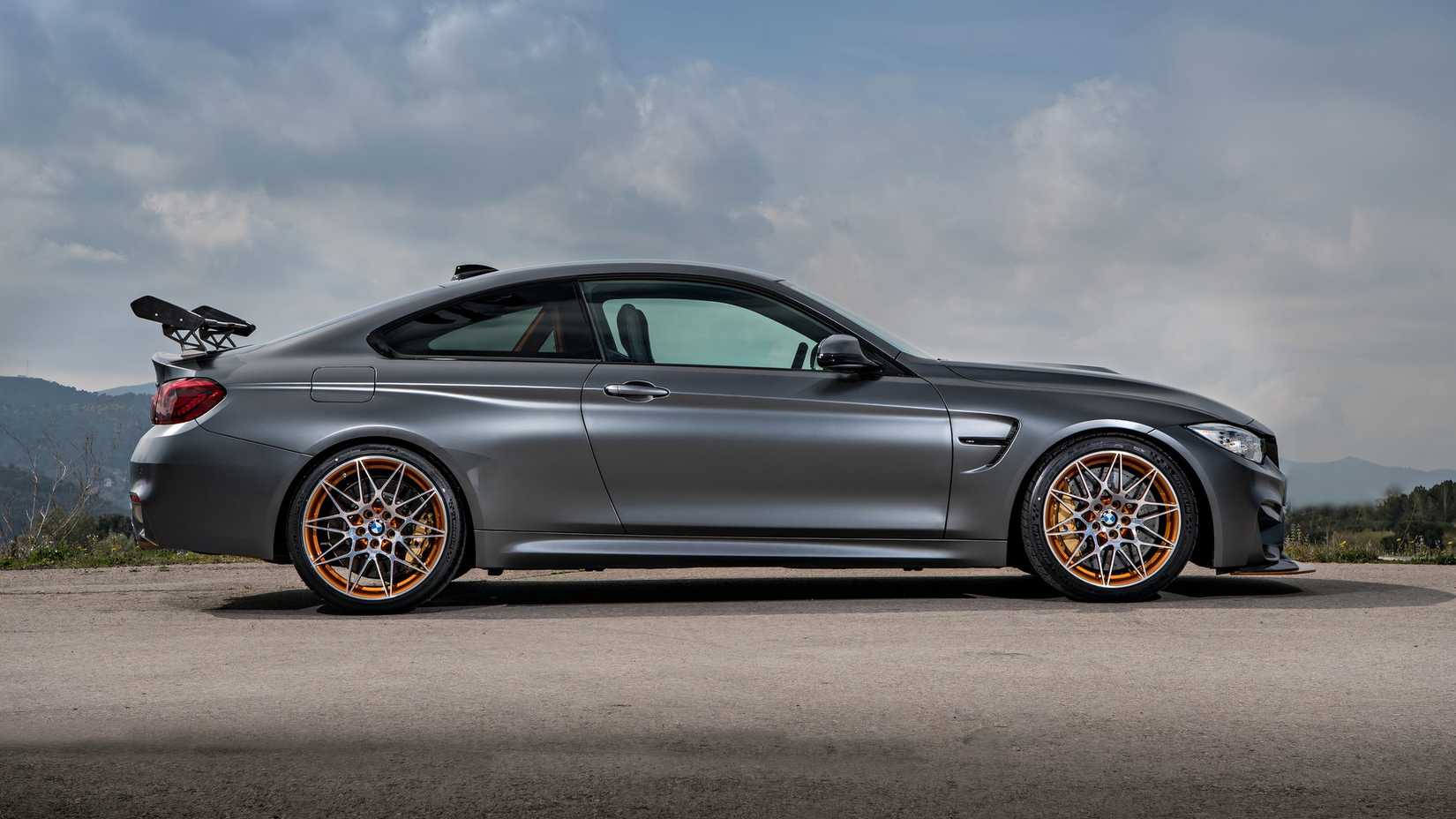
Throughout its production run, the S55 inline-six saw duty in a host of higher-performance models with the requisite increase in output. Adding the Competition package to the standard M4 pushed horsepower up from 425 to 444, while torque remained the same. The M4 CS dropped 35 pounds of weight versus the base M4, while adding 10 hp and 36 lb-ft of torque over and above the Competition model.
However, the most powerful BMW M4 engine from this F80 generation was the setup used in the M4 GTS. Boasting 493 hp and 443 lb-ft of torque, this street-legal race car was offered in 2015 and 2016. To hit those figures, BMW added a water injection system to cool the intake charge, which helped with pushing boost pressure from 17.2 psi to 21.6 psi.
S55 Common Problems

Though generally considered a reliable engine, BMW’s S55 inline-six does have a few common problems to be aware of. Perhaps the most concerning is an issue with the crankshaft hub malfunctioning. This can lead to crankshaft spin, skipped timing, and potentially catastrophic damage. It is a frequently reported concern on the Bimmerpost forum and via NHTSA complaints.
Second-Generation M4: Twin-Turbo S58 Introduced
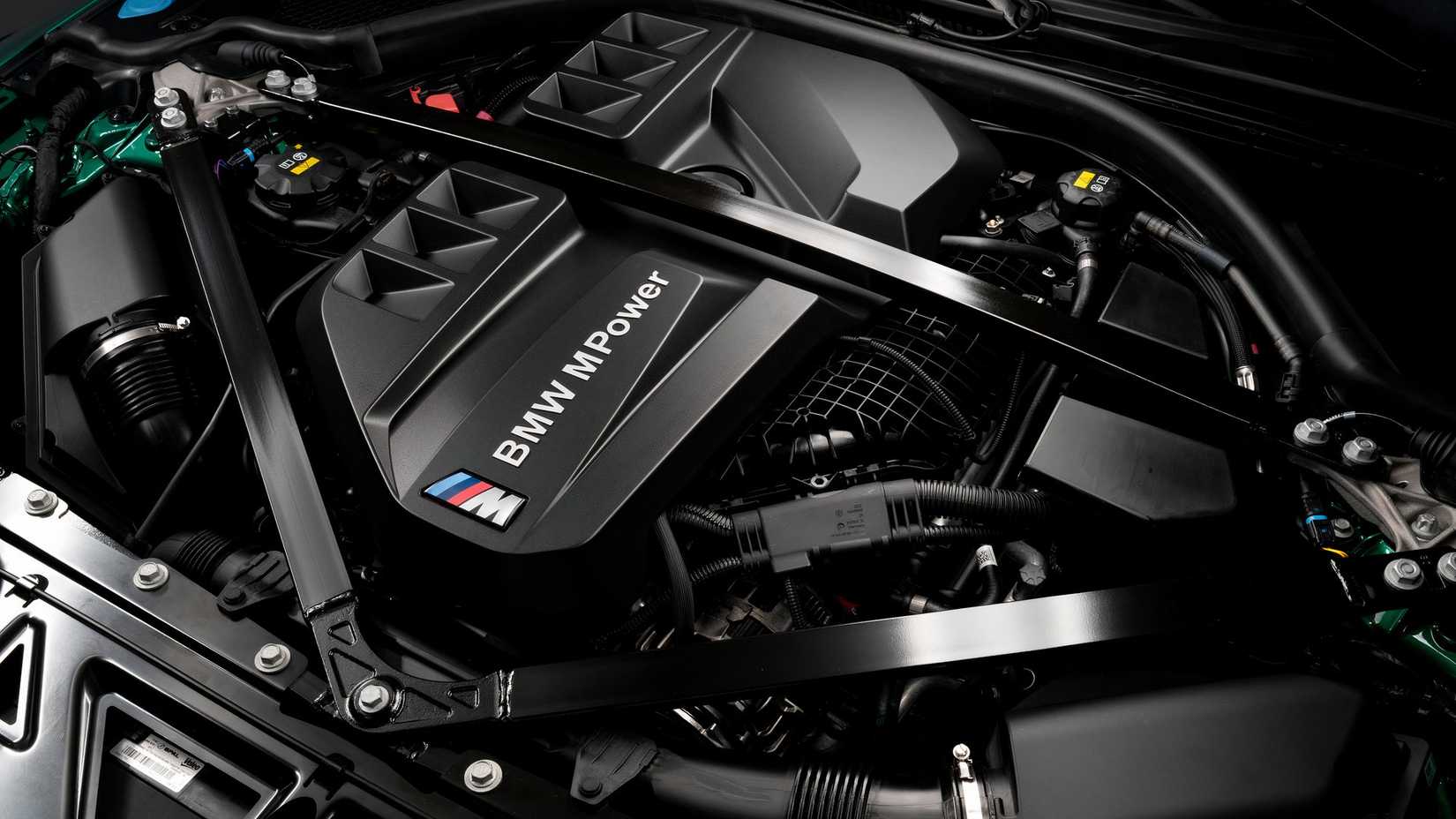
In 2020, BMW introduced the second-generation G80-series and with it the S58 engine. Sharing the S55’s architecture, this revised 3.0L twin-turbo straight-six was nonetheless heavily revised. A more sophisticated turbo system was joined by a more rigid crankcase and cylinder head.
Despite all parts being new, the philosophy of a BMW inline-6 is still the same – providing a wide power band combined with a perfectly balanced engine.
– Berthold Hauser, BMW M engine developer (2021)
The compression ratio was reduced from 10.2:1 to 9.3:1, larger turbos were fitted, cooling efficiency was dialed up, and the engine could flow higher volumes of fuel. Between these updates and a lighter crankshaft, the twin-turbo S58 was simultaneously more powerful and more robustly built.
S58 Technical Specifications
M4 Engine Comparison: S55 Versus S58
|
Model |
Engine |
Power |
Torque |
|---|---|---|---|
|
2014 BMW M4 |
3.0L Twin-Turbo S55 Inline-6 |
425 hp |
406 lb-ft |
|
2021 BMW M4 |
3.0L Twin-Turbo S58 Inline-6 |
473 hp |
406 lb-ft |
Out of the gate, the S58 engine made 473 hp at 6,250 rpm and 406 lb-ft of torque from 2,650-6,130 rpm with a 7,200-rpm redline. This was a 48-hp increase over the outgoing M4, though torque was unchanged.
In Competition guise, the performance needle was turned up further to 503 hp and 479 lb-ft of torque. With BMW’s AWD system, known as xDrive, that debuted as an option on the M4 in 2022, these Competition models could do the 0-60 sprint in just 3.4 seconds.
S58: What Was The Most Potent Version?

2023 BMW M4 CSL Highlights
- 543 horsepower and 479 lb-ft of torque
- 0-60 mph in 3.6 seconds
- 1.02 g’s of lateral acceleration
- $139,900 base price
Up to this point, the most powerful BMW M4 featuring the S58 engine is the CSL variant. A lightweight-focused model, it comes with a hood, trunk, roof, and seats made from carbon fiber that help reduce weight by 240 pounds. But the most exciting news is under the hood where the boost gets turned up from 24.7 to 30.5 psi for ratings of 543 hp and 479 lb-ft of torque. However, with RWD only, it isn’t actually as quick as an M4 Competition AWD.

Related
5 Supercars The 2025 BMW M4 CS Beats Around The Nürburgring
The new BMW M4 CS recorded an official lap time of 7:21.99 around the 12.9-mile Nurburgring Nordschleife. Here’s a list of five supercars it beat.
S58 Common Problems
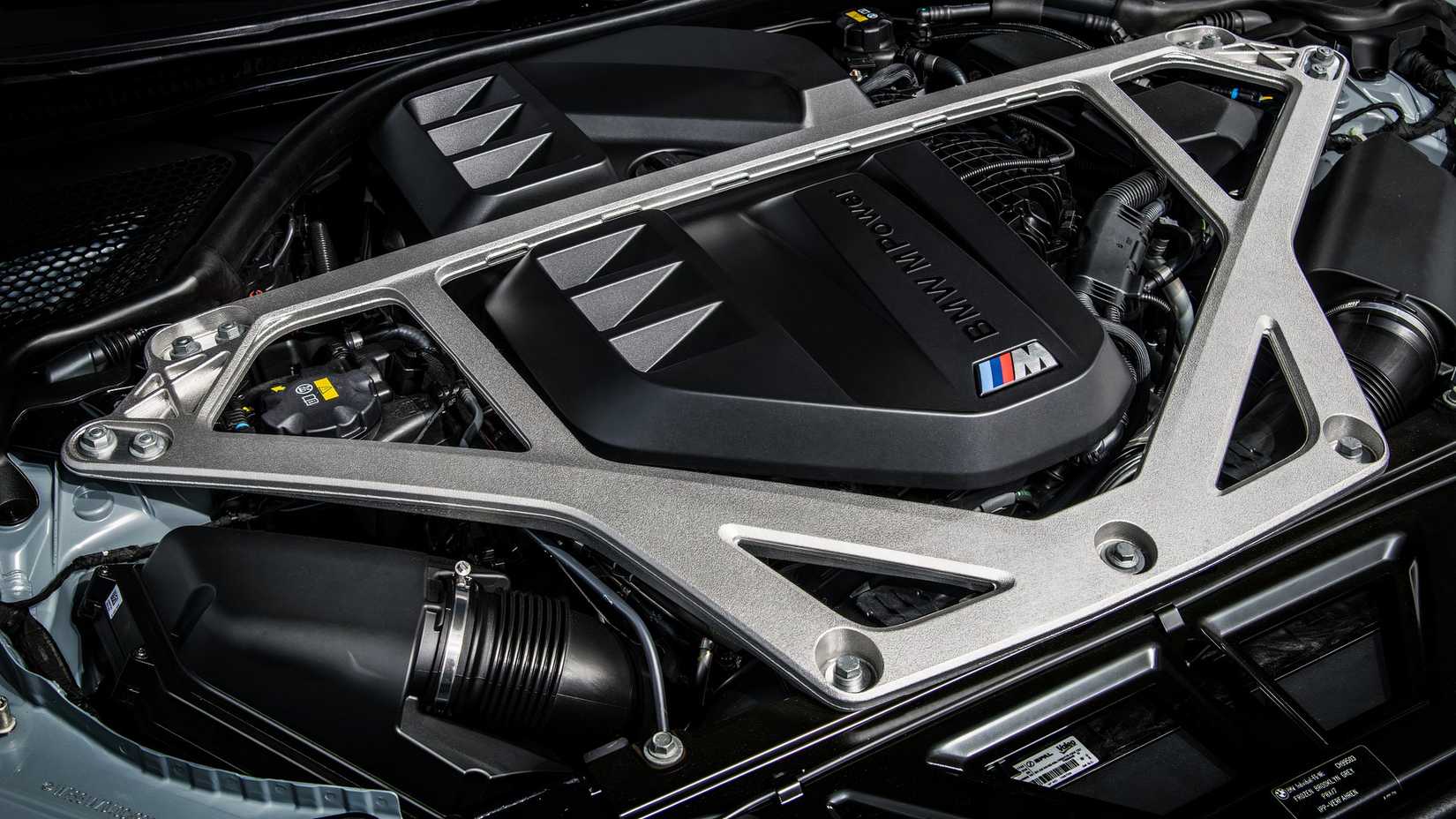
Thus far, there are no major issues reported with BMW’s S58 inline-six engine, which is largely due to the fact that it is a relatively new powertrain. It’s also based on the B58 inline-six from BMW, which is fast gaining a reputation for dependability – especially by modern BMW standards. The NHTSA reports no recalls or engine-related complaints with these G80 models and the forums are quiet. That said, this is an extremely high-performance engine that should be carefully maintained in the name of avoiding any future problems.
Sources:
BMW
,
Motor Trend
,
Bimmerpost
,
BMW Blog