
Difference between Pilates beds and reformers
The Pilates Reformer, a flatbed-like apparatus that resembles a trampoline, may look intimidating to a first-timer. But, if you find the right studio (and instructor), the workout is gentle but effective. “If you have a great teacher and take beginner classes, you’ll quickly get comfortable on the equipment,” says Melas.
“It’s important to learn how to use your powerhouse, which will help you perform daily tasks and make sports and other activities easier—and more fun!”
Unlike the mat, where the only support is body weight, the Reformer has pulleys, springs, and other resistance mechanisms that allow instructors to adjust difficulty levels and target different muscle groups. The versatility of the Reformer also means it’s more accessible for people with limited mobility or injuries. For example, a competitive runner who had surgery on her foot was told to avoid weight-bearing exercises but could still do Pilates using the Reformer. Her Pilates practice also helped her keep groin and back injuries that plagued her prior to surgery at bay.
Both types of Pilates are great for building core strength, toning muscles, and increasing flexibility. But if you’re looking to build up your endurance and improve your balance, Pilates on the Reformer is your best bet. “Pilates on the Reformer moves slower and more mindfully, which helps students learn to engage their bodies in a slow, controlled way,” says Wilson. “That’s also helpful in preventing injury and ensuring that you get the most out of every movement.”
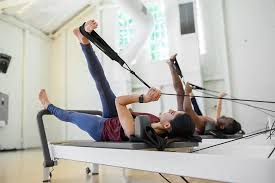
What is the difference between Pilates beds and reformers?
Aside from strengthening and toning muscles, Pilates is also known for improving posture and relieving menstrual symptoms like dysmenorrhea. In fact, a 2010 study found that just two 60-minute Pilates workouts per week, for 12 weeks, increased hamstring flexibility and decreased pain from dysmenorrhea.
The slow movements in a reformer class challenge students to concentrate and control their muscles, so the impact of each rep is felt throughout the entire body. That’s why many instructors prefer to have their students establish a foundation with mat classes before introducing them to the Reformer. “Students need to learn to move in a way that engages all global muscles before they can try to do the same on the machine,” adds Dennis Clark, an instructor at Body Language Pilates and Yoga Studio in Florence.
If you’re interested in trying reformer Pilates, be sure to consult your doctor or physical therapist to ensure the workout is safe for your health and fitness goals. Once you’re cleared for exercise, remember to show up to your reformer class 15 minutes early so that the instructor can give you a quick rundown of the equipment and offer guidance on any physical limitations or restrictions you have. This will also help you feel more at ease in your class and prevent any pre-workout anxiety or stress.
A pilates beds, or reformer, is a piece of equipment used in Pilates workouts. It consists of a long rectangular frame with a sliding carriage, springs for adjustable resistance, ropes or straps, and a foot bar. The design of the reformer allows for both seated and lying exercises, providing an effective full-body workout.


