Living in a hyper-connected world has its perks. From being able to send a message to the other side of the world in under a second to streaming and downloading unlimited amounts of content and software updates for our technological devices, the power of the internet has brought countless advantages to our day-to-day lives. Until fairly recently, however, the same did not really apply to our cars, which still had to be brought to a physical location to receive an upgrade.
2:05
Related
Everything You Wanted To Know About Over-The-Air Updates
Over-the-air is simply the most reasonable, efficient, effective method to administer software updates.
The arrival of over-the-air updates changed that, turning our cars from “dumb” offline items to “smart” appliances that can communicate with a wider network. While, at first, online updates were mainly related to software such as the infotainment system, eventually, vehicles began to appear on the market that could fundamentally alter aspects of their driving performance through a downloadable update, such as a more comfortable ride or additional driving range for an EV. Here are 5 automakers that have made extensive use of over-the-air update technology for their vehicles and the OTA updates that brought about the biggest change to the drivers’ experience of their cars:
Tesla: Full Self-Driving? Well… Not Quite
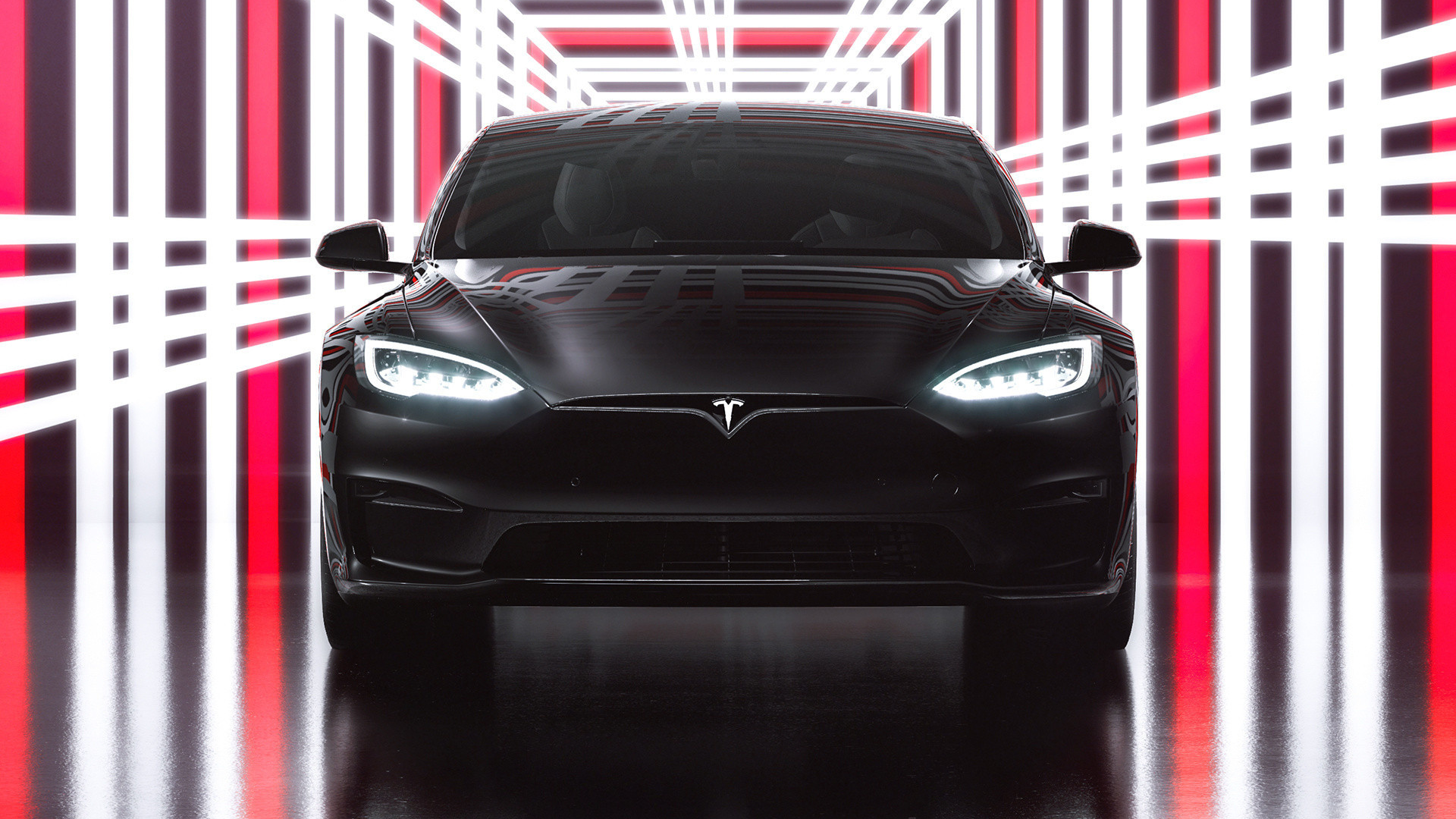
When over-the-air updates are mentioned, Tesla is usually the first brand that comes to mind. Having pioneered over-the-air updates, Tesla has become synonymous with the idea of upgrading your vehicle’s functionality and features via the internet. Nearly every aspect of the Tesla driving experience can be upgraded through over-the-air updates. Some features that have been updated remotely in recent years include improvements in camera quality, new touchscreen color schemes, solar charging, and an improved Dog Mode. It’s one of the main reasons behind Tesla’s high retention rate.

Related
7 Reasons Behind Tesla’s Insane Customer Retention Rate
Nearly 9 in 10 Tesla owners stay loyal to the brand. So what is Tesla’s secret that keeps them coming back?
That being said, the vast majority of OTA updates downloaded by Tesla vehicles are fairly routine software updates, which don’t have a particularly noticeable impact on the car’s functionality or driving feel and simply keep the vehicle’s software working as smoothly as possible. There is, however, one OTA-update feature that does have a major impact on the driver’s experience of their Tesla: the controversial Autopilot driver assistance package (and its newer sibling, “Full-Self Driving”). The subject of an investigation due to the slightly misleading and exaggerated monikers used by Tesla, these feature packages are aimed at automatizing the driving experience as much as possible. Having a fully connected car also provides a certain degree of flexibility when it comes to adding and removing features: Tesla announced that the Full Self-Driving package will be available to all customers who own a compatible Tesla as a one-month free trial, after which they will be able to decide whether to purchase it, exactly in the same way one would with apps and software on their home devices.
Polestar: A 68-HP Power Boost
Polestar’s sleek, futuristic aesthetic is matched by the multitude of tech features found in its cars, and Volvo’s eco-friendly, high-tech performance division couldn’t possibly miss out on the action when remote update technology became a reality. One of the most significant over-the-air updates in the Polestar world arrived towards the end of 2022 when the company announced the Polestar 2 (more specifically, the Long Range Dual Motor version) would receive an additional 68 hp through a remote update. This was the first time Polestar used its over-the-air upgrade capabilities for tuning purposes.

Related
Polestar Just Cut Its EV Charging Time Down To 10 Minutes
Imagine where it could be by the end of the decade.
The one-time upgrade cost $1,195 and had already been made available in some European markets before being released in North America. Alongside the extra horsepower, the update also adds 15 lb/ft of torque (bringing it up to 487 lb/ft). The result is a shorter 0-60 time, plus faster acceleration further down the line (between 50 and 75 mph). According to Polestar, drivers should be able to feel the biggest post-update difference in performance when between 44 and 80 mph. But it’s not just about performance: a substantial OTA update has also been rolled out to Polestar (and Volvo) models’ infotainment system last year, introducing additional features like compatibility with the YouTube app to stream video content. The update also brought improvements to the Apple CarPlay feature, such as the ability to project Apple Maps on the driver’s display and smoother interaction with Apple Music streaming.
Rivian: Improved Ride And Handling
Using over-the-air updates for tech and infotainment features is already futuristic enough, but using them for mechanical improvements is well and truly the stuff of science fiction. That is exactly what Rivian did with its R1T pickup truck and R1S SUV; an update that landed in late 2023 improved the two vehicles’ ride quality and handling characteristics without a single car ever seeing the inside of a garage. Granted, not everyone has been equally enthusiastic about this use of over-the-air updates; the state of West Virginia even tried to pass legislation to ban them, forcing customers to visit service centers in person, but this was ultimately watered down into regulation rather than an outright ban.

Related
10 Used V8-Powered SUVs That Cost Half As Much As The 2025 Rivian R1S
While the all-new Rivian R1S is impressive speed-wise, there are several alternatives to consider when it comes to SUVs that pack a punch.
The new update works by optimizing suspension damping and stiffness, both of which can be altered through a software update without physically working on the car. It affects two separate driving modes: in the “All-Purpose Soft Ride” mode, the update creates a more comfortable ride, while in Sport mode, it improves both ride quality and handling. Some extra features were bundled in this update as well, like the “Set Speed” setting in the cruise control function. This allows the cruise control speed to be automatically set at the speed limit for the road you are currently driving on, instead of simply locking in the car’s current speed. New phone call features, bug fixes, and range improvements were also included in the update.
Fisker: Everything Must Go
All-electric automotive startup Fisker’s journey has been fraught with difficulties from the start: its Ocean SUV, first launched for the 2023 model year, was plagued by technical issues and customer complaints. Ocean drivers reported experiencing serious faults such as sudden loss of power, loss of braking power, and malfunctioning key fobs that trapped people inside their cars. The company went through a series of deep financial troubles, which eventually culminated in bankruptcy just two weeks ago. The Ocean had its price tag slashed by $24,000, and as the final blow to the company’s fortunes, was recalled last week for faulty door handles.

Related
Fisker Selling Remaining Oceans For As Little As $2,500
The company is bankrupt and inventory needs to be sold to pay off its creditors.
Before the firm shut down operations, an over-the-air update for the Ocean was rolled out in February in a move that some may describe as “too little, too late.” It delivered some fixes to the many bugs that plagued the vehicle, as well as a host of improvements on the performance and tech fronts. The update, dubbed “Ocean OS 2.0”, improved the vehicle’s efficiency and increased its driving range (which, at 360 miles, was already fairly impressive). It achieved this by reducing charge loss while parked, boosting the car’s energy management, minimizing waste of power, and ensuring every single electron is put to good use.
Lucid: A Dog-Friendly Car
Lucid is another high-tech EV brand that frequently uses OTA updates to improve their cars’ user interface and add extra features. One of its latest OTA updates will come as a pleasant surprise for pet owners: taking inspiration from Tesla’s now-famous (if not always reliable) Dog Mode, Lucid is now adding a dedicated “Creature Comfort Mode” to its high-performance, all-electric Air sedan. The two features’ aim is essentially identical: keeping pets safe and happy in a parked vehicle while their owner is away. Lucid isn’t the only brand looking to emulate Tesla’s success with the Dog Mode: Ford is rumored to be working on a similar feature for their vehicles, having filed a patent for “Pet Mode” back in 2022).

Related
Driven: 2024 Lucid Air Pure Is Undiluted EV Excellence
You don’t have to spend a fortune to get the most compelling EV on sale today.
When the Creature Comfort Mode is switched on, the vehicle’s owner can set a cabin temperature which will be maintained even when the car is parked and switched off. In order to avoid misbehaving animals causing accidents or escaping, the pedals are disengaged and the windows are locked automatically. The car’s cockpit display shows a message that reads “Creature Comfort Mode On: my person will be back soon”, as a way to reassure concerned passers-by that the animal is comfortable and safe. Owners can also monitor their pets remotely, as their car will connect to the Lucid Mobile app to provide real-time status updates. When the owner returns, the Creature Comfort Mode disengages automatically as soon as the driver’s door is opened.