Time can be a peculiar construct, especially when it comes to the automotive world. While it can be positive in that new technology and greater performance can be found over time with development, older and more charming machines are slowly lost to the history books as their engineering and tech become obsolete, and thus they are harder to keep running the way they were initially designed. This is due to a lack of parts needed, which can also be extremely expensive to source due to being so rare.
Buick
- Founded
-
1899
- Founder
-
David Dunbar Buick
- Headquarters
-
Detroit, Michigan, U.S.A.
- Owned By
-
General Motors
- Current CEO
-
Mary Barra
This means some legendary models get abandoned or limited to being museum pieces, unless they get restomodded. More and more classic vehicles are undergoing the treatment these days, and another that would fit the bill is a commanding Buick coupe from the 1980s.
This piece explores the viability of restomodding the 1987 Buick GNX, and how the task could be carried out. All data used was sourced from reputable providers.
The Buick GNX Could Make An Awesome Restomod
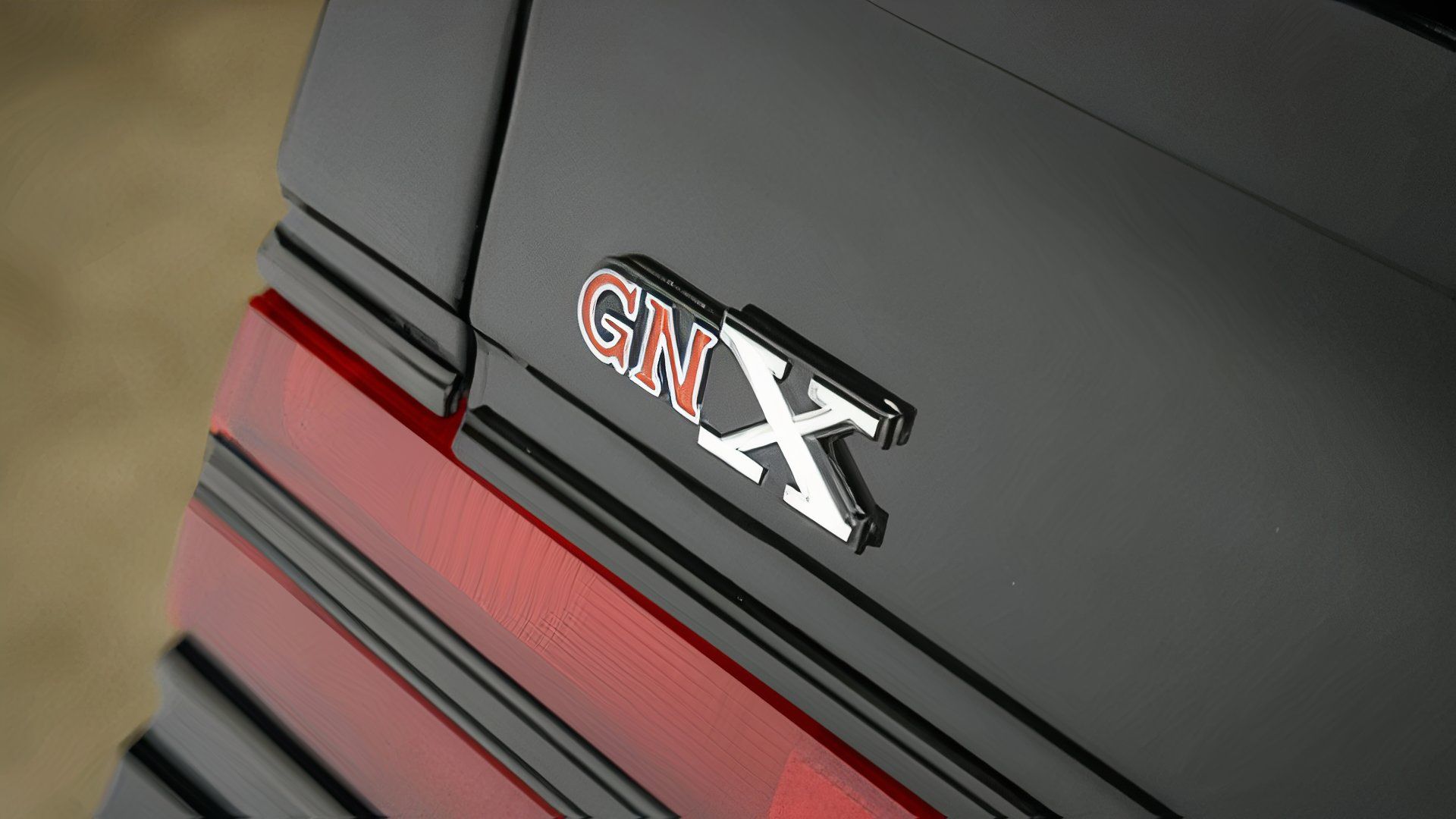
One of the most tantalizing restomod options is arguably the 1987 Buick GNX, which is one of the few V6-powered cars to be honored with the tag of muscle car. It was built to celebrate Buick’s history of building performance cars, a sector that it was exiting beyond 1987 as it looked to focus on building softer and more luxurious models. The GNX was developed to ensure the brand could exit the performance arena with a bang.

Discussion
Would you modify your vintage ride from gas to electric?
Mopar recently showed off a 1967 Plymouth GTX restomod that featured an e-crate electrified propulsion system instead of a good old gas engine. It looked fabulous and was a great example of what the future of tuning could be, but that’s not the question. Just because you can do something doesn’t mean you should. Is it a forward-thinking idea to turn a car like this into an EV, or is it just not right without the gas engine?
It’s getting on a bit now, with its 40th anniversary soon approaching. Its 3.8-liter LD5 V6 hasn’t featured in any vehicle from the factory since 1989, meaning it’s getting ever more difficult and pricey to source parts to keep it running sweet, and the same goes for the rest of its underpinnings.
Restomodding Could Be The Answer To Awkward Maintenance Situations
As a result, the GNX would be a prime candidate to undergo restomodding. The practice, which consists of introducing modern running gear and technology to classic vehicles, would mean that it would be much easier to find any parts needed should they fail. Many classic cars have been boosted by this process in recent years, such as the Mercedes-Benz 190 Evo. Automotive tuning and racing operation HWA is actively developing a model called the Evo, which uses a fiberglass body designed after the classic touring car placed on top of an original chassis, but utilizing a modern 3.0-liter Mercedes inline-six that provides 443 hp.
Other examples include the 858 CSL, a 1990s BMW 8-Series coupe that now hides a V10 beneath its sleek lines thanks to Reyn Speed Shop, and the TWR Supercat, a V12-powered celebration of the Jaguar XJS.
The Legendary GNX Deserves To Have A Modern Spin
The GNX is ripe for some retromodding action as it was one of the most fearsome performance cars that stalked US roads in the 1980s, with the vehicle completely decimating its more established rivals, the Chevrolet Camaro and Ford Mustang, in the power stakes. The GNX was equipped with an upgraded version of the turbocharged 3.8-liter V6 used in the Buick Regal Grand National and T-Type, with the unit officially rated at 276 hp. Tests from the time found that it produced closer to 300 hp, though, which left it miles ahead of the established competition.
|
1987 Buick GNX |
|
|---|---|
|
Engine |
3.8L turbocharged V6 |
|
Transmission |
4-speed Automatic |
|
Power |
276 hp |
|
Torque |
360 lb-ft |
|
0-60 mph |
Under five seconds |
|
Top Speed |
125 mph (Limited) |
Even if we go off its official power figure, the GNX still had over 60 hp more than the V8-powered Camaro Z28 and Mustang GT challengers, ensuring it was the fastest muscle car around. Its handling was also tweaked to ensure it could deal with the grunt, with beefed-up suspension and braking systems brought to the party.
It Looked The Part Too
It wasn’t just the performance that got jaws hitting the floor either, as its typically 1980s square body, which was decorated with dark black paint and similarly-lavished wheels, looked like the last thing you’d want to run into on a dark night. The GNX was even known as ‘Darth Vader’s Car’, as a result of its threatening aesthetic. These elements make it an excellent specimen for a modern restomod, and there are some perfect donor cars from which to source parts.

Related
This Rare Buick Was Designed To Dominate NASCAR
NASCAR is big business for brands who want to sell performance road cars, and in the 1980s Buick designed a car purely focussed on the series.
Cadillac’s Contemporary Muscle Sedan Would Make The Perfect Base
The GNX’s tough style is screaming for even more grunt, and this is where the 6.2-liter supercharged LT4 V8 from the Cadillac CT5-V Blackwing comes in. The powerplant, which is also effective in the Chevy Camaro ZL1 and Corvette Z06 models, would bring an insane 668 hp to the party, well over double the power that the standard GNX produces. The wonderful V8 engine note would befit the GNX’s demeanour better than the turbocharged V6 too, as well as ensuring it’s a damn sight faster. The available ten-speed automatic gearbox only enhances this further, though it would perhaps be better to use the conventional six-speed manual gearbox that comes standard on the CT5-V Blackwing, as this would better match the GNX’s bruising personality.
Alongside this, an improved suspension and braking setup would ensure that a restomod GNX would also be a force to be reckoned with in the bends. The GNX’s body could also be made wider, which would not only make it look more imposing still, but its track could be widened to help improve high-speed stability.
The LT5 From A ZR1 Would Get Heads Turning
For power-hungry drivers who feel even the LT4 would be a little toothless, the similarly sized 6.2-liter LT5 V8 used in the C7 ZR1 could also be used. The unit provides 755 hp, and also comes with a manual transmission, though on this occasion it’s a seven-speed affair that also gets rev-matching functionality. With the ZR1 able to hit 60 mph in under three seconds, a restomod GNX using the unit could even give the Executor a run for its money.

Related
This Classic Buick Was The Real Star Of Kendrick Lamar’s Superbowl Halftime Show
While the Superbowl halftime show is one of the great wonders of the entertainment world, the 2025 edition featured a wonder of the car world.
Restomods Add Value To A Classic, In Moderation
Of course, restomods are met with disdain by purists, as many feel that a classic should be left as is, and not have its legacy muddied by shoehorning technology that was never meant for it beneath its charming and classic silhouette. This outlook is perfectly valid, which is why very few examples should be made into restomods, especially given that only 547 original GNX’s were ever built.

Related
The 10 Quickest Forced Induction Muscle Cars Ever Made
Mirror on the wall, which is the fastest of them all? There is a new quarter mile king on the block. And it is not the Challenger Demon 170.
Why Restomods Make Sense
- Preserve the car’s original style, inside and out
- Makes them easier and more affordable to run due to using more modern parts, boosting sourceability and reliability
- Improves road performance
That said, restomodding has its benefits. Using more modern technology means that not only are parts easier and cheaper to find, but the vehicle itself will also be more reliable long term due to the more developed and more modern parts. The vehicle will be easier to live with as a result, as there will be less of a compromise between making it engaging on the road and comfortable enough to prevent the need for a visit from a masseuse every time you get behind the wheel. The beauty of lavishing a car with all this new tech is that it remains hidden under the skin, allowing you to keep the GNX’s quintessential 1980s styling untouched if you prefer.
This means you can preserve a big chunk of what made the GNX iconic, while having a performance car that is more engaging to drive, as well as easier and more affordable to keep running day to day. Plus, what gearhead wouldn’t want to experience a GNX running at you with a whining supercharged LT5 filling the air, even if just the once.