
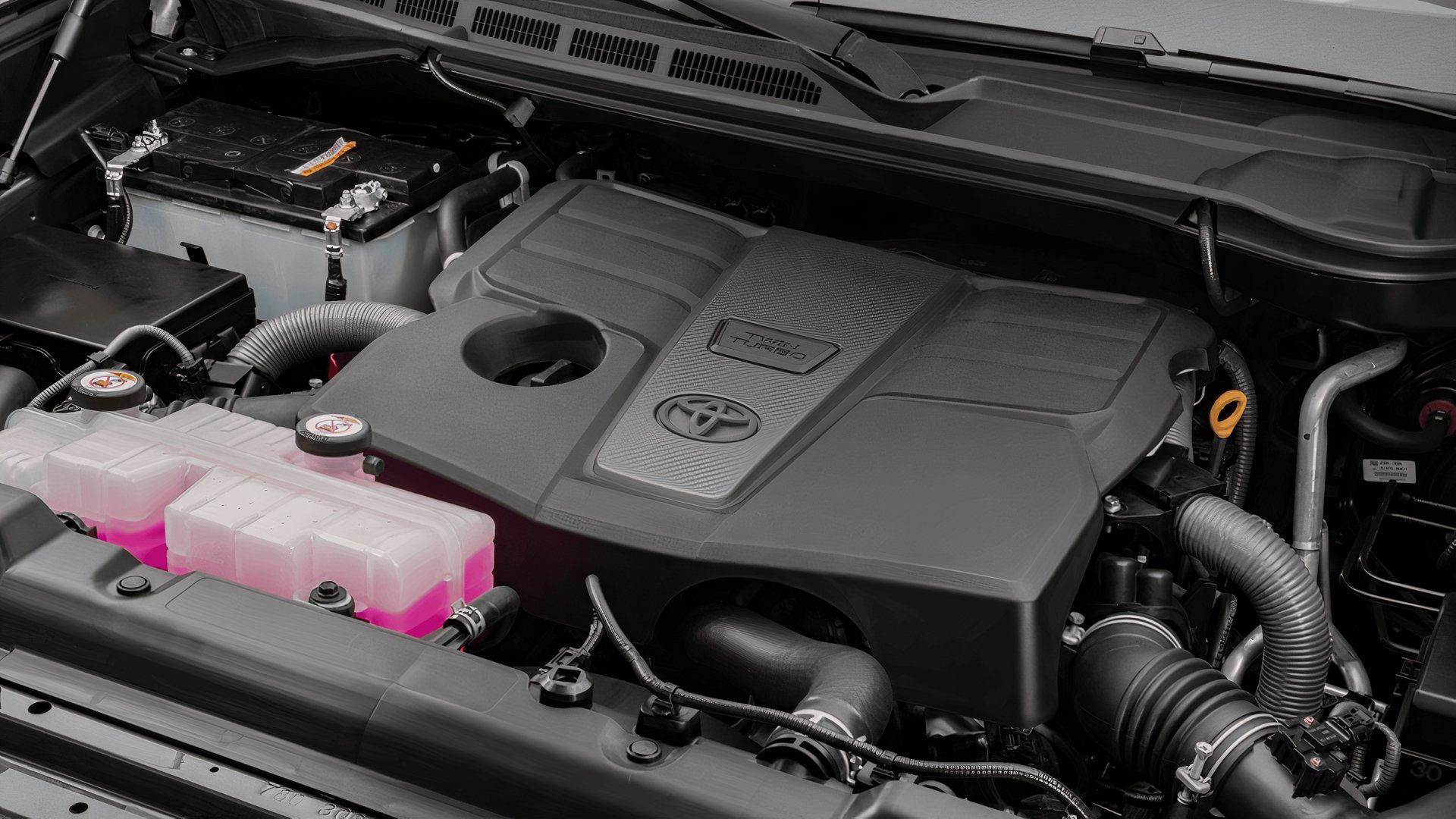
It’s no secret that Toyota enjoys one of the most established reputations when it comes down to making a reliable and dependable pickup truck – a reputation that it has been working hard to deserve over many decades. However, a reputation is much easier and quicker to destroy than it is to build, which is why the recent spate of Toyota Tundra engine problems have been causing so many headaches for both customers and the brand itself.
These new Tundra engine problems are more than just an inconvenience, and can quickly render afflicted models next to useless, with engine failure looming as the ultimate concern. Here, we cover everything related to the engine problems linked to Toyota’s new twin-turbo V6.
CarBuzz has collected information for this article from a variety of authoritative sources, including both Toyota and the NHTSA.
Replacing Toyota’s Trusty V8
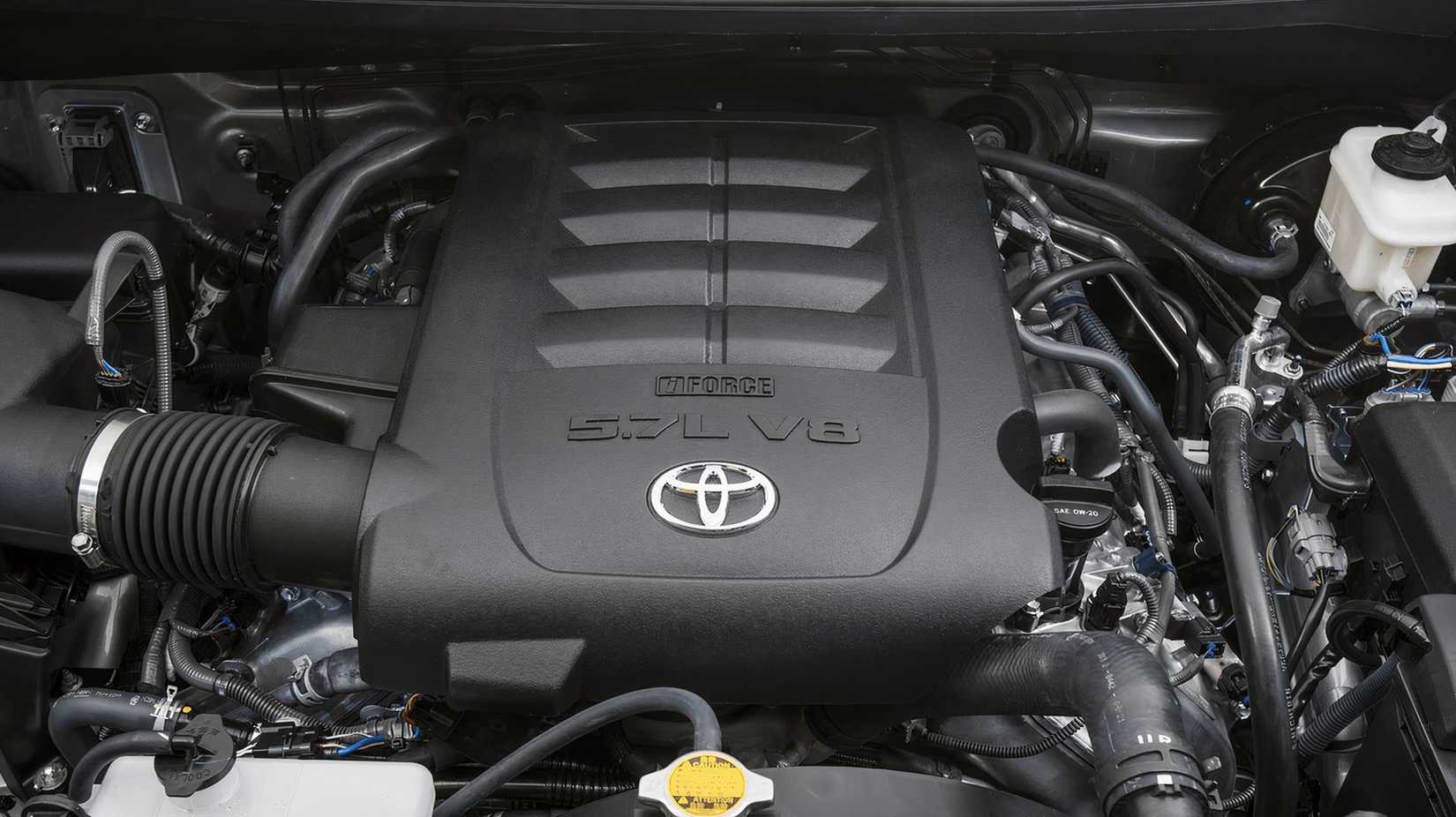
Efficiency is at the forefront of everything for automakers at the moment, with ever-more stringent emissions laws controlling and manipulating what does and does not make an engine suitable. In the case of Toyota’s Tundra, the aging 5.7-liter V8 from previous generations was certainly due to be replaced, even though its strength and durability are still loved by fans. The V8 had been doing the rounds under the hood of Tundra models since 2007, and so, when the time came to launch the third-gen Tundra for the 2022 model year, Toyota opted for an all-new powertrain.
In an effort to keep up with the changing times and key competitors, Toyota’s choice was to favor a turbocharged powertrain, with hybrid options also available. Turbocharging technology means that higher levels of power can be achieved without the need for large engine capacities, while hybrid tech allows for cleaner running and improved MPG ratings.

Add CarBuzz to your Google News feed.
A Closer Look At The Tundra’s Twin-Turbo V6

|
V35A Engine Specifications |
|
|---|---|
|
Configuration |
V6 |
|
Displacement |
3.4-liter |
|
Aspiration |
Twin-turbocharged |
|
Power |
349 – 389 horsepower |
|
Torque |
405 – 479 lb-ft |
Ditching the V8 was a controversial move for Toyota, as fans of the Tundra enjoyed the proven reliability, impressive power, and dependable torque that was on offer with the old 5.7-liter lump. In an effort to ensure that downsizing from a large V8 to a smaller capacity V6 wouldn’t hinder performance, twin turbochargers were equipped, which kept power in line with what was possible from the old naturally-aspirated but larger V8. A hybrid system in question was also introduced, dubbed the i-Force MAX, which produces 437 horsepower.
The base model Tundra, the SR, is rated lower than other models, with 348 horsepower and 405 lb-ft on tap. However, all other i-Force Tundra models are fitted with the more capable 389 horsepower and 479 lb-ft state of tune. The Lexus LX 600, which is also affected by the same engine concerns as the Tundra, produces the same amount of torque but slightly more power, at 409 horsepower.

Related
Why It’s A Bad Idea To Buy Cars With New Engines In Their First Model Year
Here’s why we’d recommend waiting until the second or third model year before buying any vehicle debuting a brand-new engine.
A May 2024 Recall Highlighted The Inherent Issues
Over 100,000 Toyota And Lexus Models Are Affected
Toyota had no choice but to look into the high number of complaints that had been rolling in from frustrated customers who had been experiencing some of the following issues with the V6:
- Engine knocking
- Rough running
- Failure to start
- Stalling/failure of the engine in motion
Toyota was left with no choice but to recall over 100,000 2022 – 2023 Lexus LX and Toyota Tundra models, in an effort to right this wrong. The cause was simple, but would ultimately prove fatal to all afflicted engines: debris from the initial machining processes had been left within the internals of these V35A engines. The tolerances to which a modern engine is developed just do not allow for such debris, no matter how small, and so Toyota had no choice but to act, by recalling all 102,092 afflicted models, with the answer being to replace the V35A engines with new units.
Toyota has committed to replacing the engines in all 102,092 vehicles.
1:49

Related
Toyota’s Reputation Is Being Badly Affected By Dealers Refusing V6 Tundra Trade-Ins
The recall of Toyota’s V6 Tundra hasn’t been good for the brand’s reliability reputation.
A Recall For The Affected Models Has Been Issued Via The NHTSA
The NHTSA titles the recall as ‘Debris In Engine May Cause Stall’, which to the uninformed may not sound as dramatic as the reality. However, in this instance, ‘stall’ relates to the possibility of total engine failure for the Tundra. The summary provided by the NHTSA does cover the potential issue in more detail:
Toyota Motor Engineering & Manufacturing (Toyota) is recalling certain 2022-2023 Tundra and Lexus LX600 vehicles equipped with a V35A engine. Debris from the manufacturing process may contaminate the engine and cause the main bearings to fail, which can result in an engine stall and loss of drive power.
Not All Tundra Models Are Affected
Any customers that shelled out for the more expensive i-Force Max Toyota Tundra trucks are probably thanking their lucky stars right now, as Toyota suggests these models are unaffected by the recalls. While the hybrid V6 engines are similar, they have not been affected by the same manufacturing defect, and therefore are not causing any such concerns. Toyota is also keen to point out that this recall affects Tundra models produced from November 2021 and February 2023, and the majority of these are already sold and delivered. So, any 2024 and 2025 models currently in showrooms are also not affected.

Related
Toyota Rescuing 100,000 Tundra And Lexus LX Owners
A couple of months back, over 100,000 Tundras and LXs were recalled to fix their 3.4-liter V6s. Unfortunately for Toyota, there is no cheap fix.
What Is Toyota Doing To Remedy The Issue?

Recalling 102,092 Lexus and Toyota trucks for a complete engine replacement is no small task. Toyota estimates that replacing the engine could take between 13 and 21 hours of labor, and due to this, Toyota is having to provide courtesy cars where possible for those booked in for the recall. Furthermore, according to Consumer Reports, any vehicles affected by the recall currently on sale at Toyota and Lexus dealers are to immediately be pulled from sale. These cars will then need to be booked in for the engine replacement job, prior to being offered back for sale.
However, one document on the NHTSA site suggests that pre-owned vehicles are still able to be distributed by main dealers, so long as the customer has been informed of the ongoing recall.
Toyota typically requests that dealers NOT deliver any pre-owned vehicles in dealer inventory that are covered by a Safety Recall unless the defect has been remedied. In this case, until remedy parts are available, delivery of a pre-owned vehicle is acceptable if disclosed to the customer that the vehicle is involved in this Safety Recall and that the remedy is currently being prepared by Toyota.
There is no quick fix or alternative solution to this issue, and although many of the recall documents stated that a solution was to be offered to customers in July 2024, the only fix is for complete engine replacement, which Toyota has now offered. Until this recall is carried out, none of the affected models are considered a safe purchase, even if running well or of low mileage.
Summary: Is It Too Little, Too Late?

While its hand may have been forced, Toyota has acted appropriately and recalled in excess of 100,000 Tundra and Lexus LX models, all for complete engine replacements. Of course, this will cost the company greatly in terms of finances and labor in their workshops, but is there a greater cost to Toyota here? The brand enjoys one of the most enviable reputations when it comes to reliability and dependability, but sending over 100,000 models out to customers with impending engine failure hanging over them is undoubtedly going to have a lasting effect on how consumers view the brand over the coming years.
Fortunately, for the 2024 Toyota Tundra and beyond, the manufacturing defect which left debris behind has been rectified. So, once the recall has been carried out, Toyota can go back to focusing on establishing its dominance when it comes to dependability, rather than playing catch-up as it is right now.