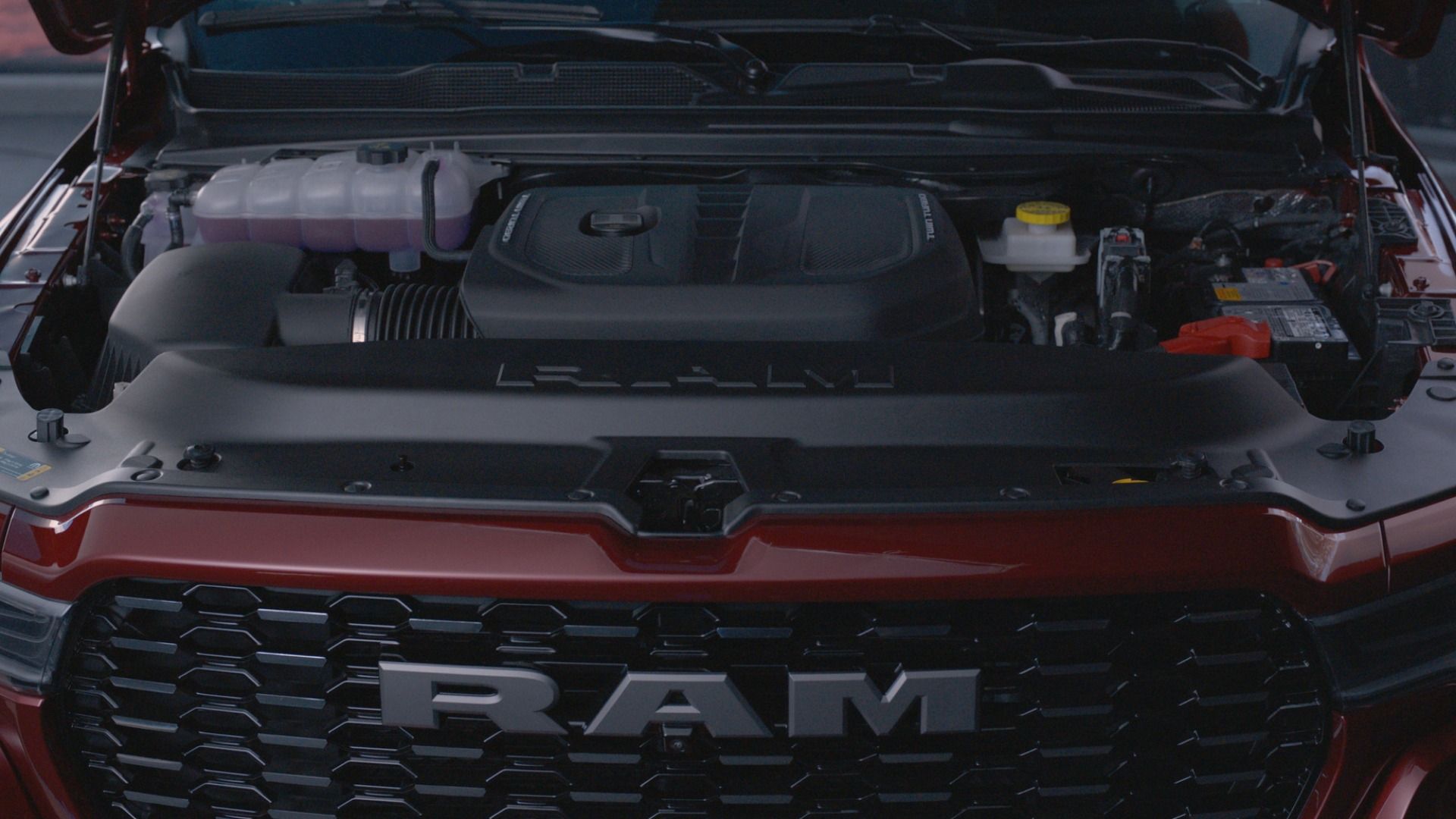
Since the passing of the United States-Mexico-Canada free trade agreement known as the USMCA in 2020, American automakers like Ford, General Motors, and Ram have enjoyed the luxury of supplying parts and engines for vehicles like the Silverado with zero additional duties or fees from America’s neighbors. However, that was recently threatened by President Trump’s new U.S. tariff policy, which wanted to ignore the USMCA (that Trump initially pitched and passed) and put a tariff on all imported auto parts from outside the U.S., regardless of the free trade zone agreement. For now, USMCA-related parts have been temporarily exempted from tariffs due to backlash to the tariffs, but now that exemption is a little more solid, giving automakers more time to react.
-
Ford
- Founded
-
June 16, 1903
- Founder
-
Henry Ford
- Headquarters
-
Dearborn, Michigan, USA
- Owned By
-
Publicly Traded
- Current CEO
-
Jim Farley
-
Chevrolet
- Founded
-
November 3, 1911
- Founder
-
Louis Chevrolet, Arthur Chevrolet, William C. Durant
- Headquarters
-
Detroit, Michigan, United States of America
- Owned By
-
General Motors
- Current CEO
-
Mary Barra
-

Ram
- Founded
-
2010
- Founder
-
FCA
- Headquarters
-
Auburn Hills, Michigan, USA
- Owned By
-
Stellantis
- Current CEO
-
Tim Kuniskis


Trump’s New Updated Tariff Policy
Previously, the White House had ordered that the non-U.S. value of parts assembled outside the U.S. in Mexico or Canada would eventually be subject to a new 25% duty after the government established the tax process. Now, however, a White House spokesperson confirmed to Bloomberg that certain components that qualify for preferential treatment under the U.S.-Mexico-Canada trade pact will be exempt from the new tariff policy, effectively respecting the original USMCA as designed, for now. Official U.S. Customs and Border Protection guidance documents confirm that USMCA-compliant parts would face a 0% duty.

Related
Stellantis Ready To Make Big Changes To Dodge Tariffs On Pickups
New tariff credits are pushing automakers like Stellantis to rethink North American supply chains.
Mexico is the biggest source of auto parts imported to the U.S., followed by Canada, so this deal is a win for the auto industry and both those countries’ economies. That should also help keep rising costs, and therefore the increase in vehicle pricing for the consumer, to a minimum going forward, at least for American-based automakers who produce parts and vehicles within the free trade zone.
A Two-Year Timeframe To Get Back To The US
Bloomberg also reports that the updated tariff policy now allows automakers and suppliers to apply for a two-year offset against tariffs, which is intended to encourage them to move their Mexican and Canadian production back to the U.S within that timeframe. It’s unclear what specific trade policy is planned after those two years are up, but it would likely be at least the previously intended 25% tariff coming back into effect.

Related
Jaguar Land Rover Resumes Imports To Its Most Profitable Market
Last week, the British company sent its first shipments to the US since April 7.
Mexican President Claudia Sheinbaum, who has been on the phone with U.S. President Donald Trump numerous times to figure out a new trade policy, called the update “good news” and confirmed the 0% agreement: “There’s a preferential treatment for everything that is produced within the trade agreement, and in particular for auto parts, which have zero tariffs,” she said at a news conference. This should help keep industry pricing down, again, for those who produce within the free trade zone. So, any mostly-American cars have been mostly saved, for now.
CarBuzz, its writers, editors, and owners have no affiliation with any political entity or party. The CarBuzz team comprises members with a variety of differing political and social views. This article does not support either side of the current political landscape and serves only to collate the various developments therein to discuss their potential ramifications on the auto industry.
Source: Bloomberg